
10 Back of House Upgrades for Hotels
18 March 2026

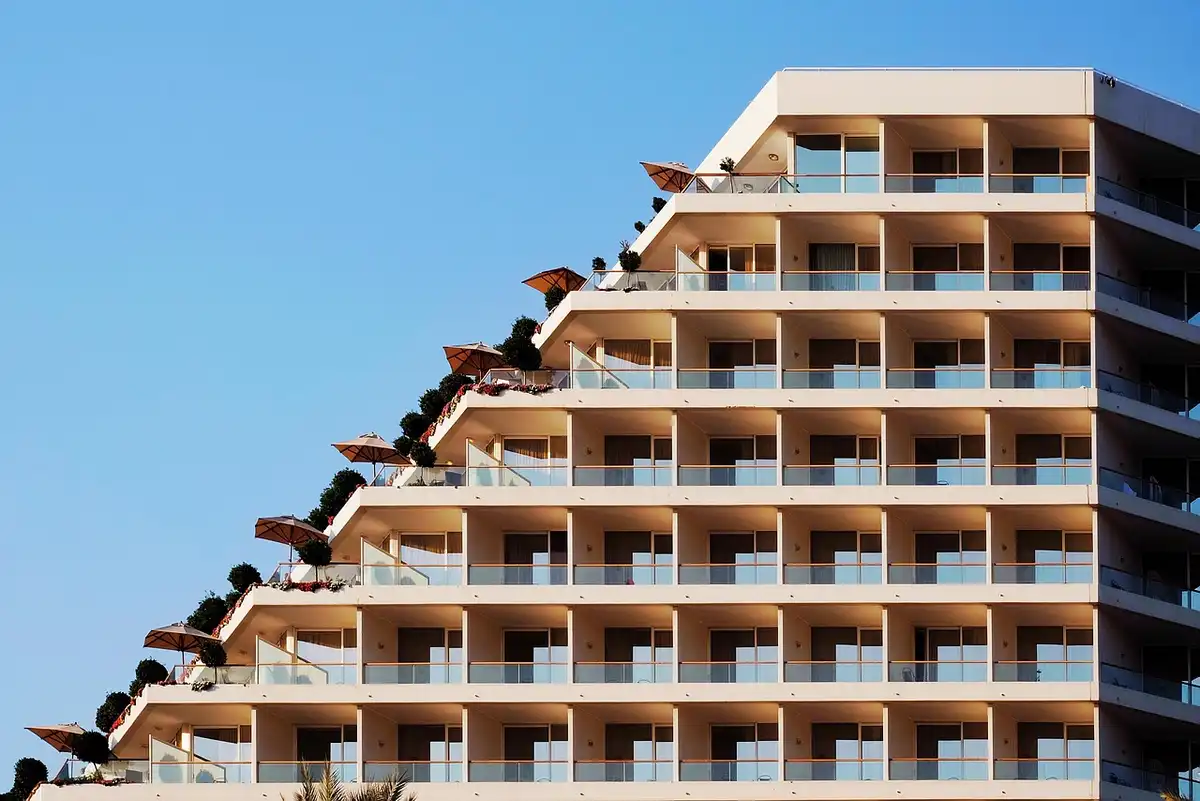
Photo by Steve Pancrate on Pexels
Did you know that hotels without strategic maintenance approaches experience up to 40% higher costs due to emergency repairs and inefficiencies? A well-managed hotel operates a back-of-house that significantly influences guest service and satisfaction. However, many establishments find themselves using outdated systems and equipment, coupled with inefficient layouts and a reactive maintenance approach.
Outdated things can lead to increased costs, downtime, and inconsistent service, all of which ultimately impact the guest experience. So, how can hotels enhance their operations without undergoing a complete overhaul?
The solution lies in high-impact upgrades to the infrastructure that modernize operations, streamline workflow, and mitigate risk. The article below outlines various upgrade opportunities, ranging from ice machines to leak detection systems and vibration isolation.
Ice Alcoves by Floor for Efficient Operations
Centralized ice makers often create bottlenecks for housekeeping staff and lead to excessive wear due to overuse. With smaller, floor-specific ice alcoves, housekeeping staff have a shorter distance to travel for ice and greater access to the equipment.
The introduction of ice alcoves presents an excellent opportunity to enhance facility layout during refurbishment projects, especially when drywall and plumbing are being modified. During renovations, it is feasible to integrate alcoves seamlessly into the existing infrastructure, thereby modernizing the hotel while simultaneously addressing the practical needs of housekeeping operations.
Appropriate Size Ice Machines and Proper Selection of Ice Makers
Ice machines that are too large consume more energy, whereas machines that are too small will have challenges operating at peak occupancy levels. The proper sizing of ice machines, along with being paired with the correct ice bins, will provide a consistent supply of ice without inefficiency.
Using resources such as Scotsman to carry out a study of the many different ice maker models on the market today, an operator can explore many options. You can filter them out by factors like production rates, dimensions of the footprint, and compatibility with bins.
Smart Leak Detection Systems to Mitigate Structural Damage
Unidentified water leaks can result in unseen, long-term damage to the structure, growth of mold, and repair costs that could have been avoided. The installation of smart leak detection systems will enable hotel operators to respond quickly to leaks and avoid structural damage to their facilities.
Smart systems help maintain uninterrupted hotel operations by targeting high-risk areas, such as kitchens, laundry facilities, and mechanical rooms, where the likelihood of leaks is substantially higher. Prompt detection and resolution of leaks not only help to preserve the integrity of the building but also ensure that hotel operations continue smoothly, enhancing guest satisfaction and safeguarding the establishment’s reputation.
Floor Drains for Food Safety and Maintenance
Inadequate drainage within an establishment can lead to significant issues, such as the pooling of water, which poses serious safety hazards, including the risk of slips and falls for both employees and customers. Moreover, standing water can create unsanitary conditions that may foster the growth of bacteria and mold, ultimately compromising health standards.
Upgrading or adding floor drains will enhance the level of cleanliness and improve productivity for daily maintenance of areas involving food preparation and service. With better drainage, staff can maintain a safer and more hygienic environment, thereby ensuring compliance with health codes and enhancing the overall customer experience.
Using the Internet of Things to Monitor Equipment and Get Ahead of Problems
Monitoring systems that leverage IoT technology provide a detailed and instantaneous overview of equipment performance across various facilities. Real-time data allows facility managers to detect early signs of potential issues, facilitating proactive measures before these issues escalate into more significant problems.
By employing predictive monitoring methods, facilities can significantly lower the number of operational interruptions experienced by managers. Predictive monitoring contributes to a marked reduction in emergency repairs, ensuring that facility operations are more reliable and efficient.
Noise Control via Vibration Dampening
Back-of-house equipment can create vibrations that travel through walls and floors creating noise in guest areas. Using isolation mounts and pads can reduce or eliminate any elevated levels of vibration, improving the guest experience without making large structural modifications to the building.
Controlling vibration not only improves comfort but also prolongs the life of the equipment and surrounding materials by decreasing wear and tear. It reduces maintenance costs over time and may help prevent minor problems from growing into expensive repairs
Prepare Ice According to HACCP Guidelines
According to HACCP guidelines, ice is considered to be food and is not considered to be a utility. Therefore, preparing and storing ice according to applicable laws will greatly reduce the risk of foodborne illness, thus ensuring HACCP compliance.
Handle ice with the same care you’d handle any other kind of food, such as using food-grade materials to make drinks, having proper hygiene while handling the ice, and preventing cross-contamination of the ice from the start to the end of your production line. To avoid contamination, regularly clean and sanitize your ice machines, scoops, and any containers used to hold ice before they get filled with drink products.
Train your staff on safe handling practices before they begin working with ice, test the quality of your water regularly, hold the ice at proper processing temperatures, and conduct regular inspections of your facility to make sure that everything is working properly.
Move Condenser Units Out of Guest Corridors
Traditional condenser units generate heat and noise in the areas adjacent to guest rooms. By moving condenser units outside, you will reduce the amount of indoor heat load and remove unnecessary noise from within the building, which will help create a more comfortable environment for guests.
Additionally, improved airflow and less strain on equipment can increase its lifespan. Servicing is simpler and less disruptive because technicians can access the unit from outside of the guests’ area. Reduced strain and higher energy efficiency can lead to lower energy bills and a lower overall environmental impact.
Scheduling Systems for Preventive Maintenance
Many facilities depend on reactive maintenance, resulting in unanticipated failures and costly emergency repairs. Preventive maintenance scheduling systems will minimize wear on equipment and improve the lifespan of assets.
Additionally, electronic scheduling tools will assist in maintaining service records and automatically notify users to maintain compliance and keep each team member accountable. With preventive maintenance, organizations can experience a reduction in unplanned downtime, improved operational efficiency, and a more strategic approach to asset management.
Back-of-House Workflow Zoning and Layout Optimization
Even small layout decisions behind the scenes can have a major impact on daily operations. Inefficient designs limit staff movement, create bottlenecks, and increase the likelihood of errors. By organizing back-of-house spaces into clearly defined zones, hotels can streamline workflows and reduce unnecessary movement.
Common zones include:
- Storage
- Prep
- Cleaning
- Dispatch
With a structured layout in place, even minor adjustments in layout during construction or renovation will greatly increase productivity and reduce fatigue among staff.
Targeted Upgrades That Deliver Measurable Impact
Renovations do not necessarily need to be expensive or disruptive to have an impact. By concentrating on the important stuff, hotels can make significant positive changes in terms of their operational efficiency, reduce costs associated with renovations in the long run, and improve how they are able to support their teams. Guests may not be able to see, but they will feel through smoother operations, quieter spaces, and consistently high-quality levels.
Comments on this guide to Hotel back of house upgrades guide – modern hospitality renewal design style advice article are welcome.
Luxury Hotel Architectural Design
Luxury Hotel Architectural Designs
NoMad London, 4 Bow Street, Covent Garden, central London, England, UK
Design: Roman and Williams
NoMad London Hotel, Covent Garden
Metric Hotel, Westlake community, Los Angeles, Southern California, USA
Design: Aaron Neubert Architects
Metric Hotel
++
Property
Contemporary Property Articles – architectural selection below:
Comments / photos for the Hotel back of house upgrades guide, hospitality renewal design guide page welcome.
