Why Homeownership Feels Like Dating Someone with Expensive Tastes
post updated 28 August 2026
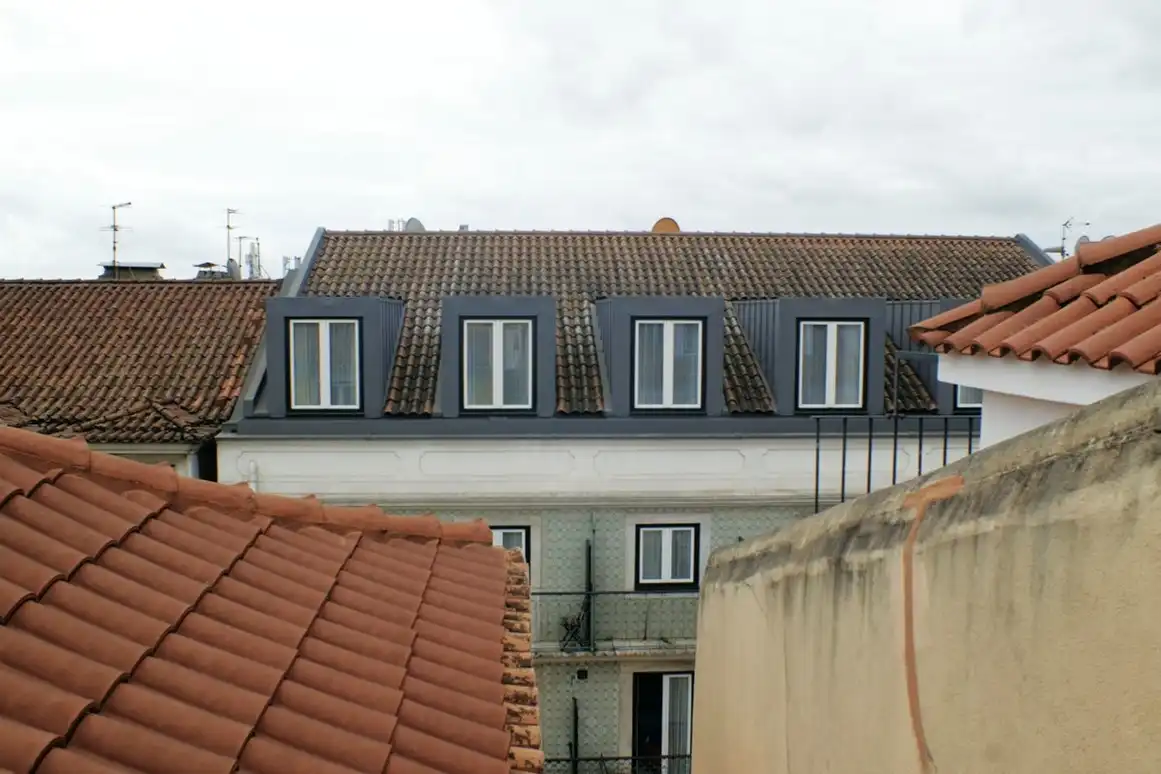
image source : unsplash.com
29 August 2025
Owning a home is often portrayed as the ultimate milestone of stability, pride, and personal success. On paper, it’s a dream come true—a space that belongs entirely to its owner, where every corner reflects personal style and every improvement adds value. Yet, for many homeowners, this romanticized vision quickly meets the reality of constant upkeep, surprise expenses, and the subtle anxiety of wondering what might break next.
In a way, it begins to feel eerily similar to dating someone with a taste for the finer things in life—where the regular demands of investment, attention, and deep pockets temper love and excitement.
Just as in a relationship with someone who enjoys the best restaurants, top-shelf experiences, and impeccably curated wardrobes, a house has its own expectations. It doesn’t ask for roses or poetry, but it does require ongoing attention, generous spending, and a willingness to commit time and energy.
The connection is real—homeowners often form a deep emotional bond with their property—but that connection comes at a price. This makes the analogy fitting: both homeownership and such a relationship involve balancing affection with financial and emotional readiness.
When the Ceiling Above Becomes the Price of Commitment
Few elements of a house demand respect like the one shielding everything beneath it. Addressing the cost of a roof isn’t just another line on a homeowner’s to-do list—it’s a moment that underscores the seriousness of the relationship between person and property. This isn’t about aesthetics or minor upgrades; it’s about ensuring the very structure remains secure, weather-tight, and dependable for years to come.
Such an investment leaves little room for hesitation. Choosing the right materials, hiring skilled professionals, and coordinating the work can disrupt normal routines, yet it’s a disruption rooted in protection and long-term value. Much like a grand gesture in a relationship, it signals unwavering commitment, sending a clear message that preserving what matters most takes precedence over convenience or short-term savings.
The Endless Gift List of Maintenance
Once the roof is in place, the house doesn’t simply settle into a quiet appreciation of the gesture—it continues to present an evolving list of needs. The plumbing decides it’s time to rebel, the heating system hints at retirement, and the paint that looked pristine last year suddenly appears tired and weathered. Each of these issues mirrors the way a partner with refined tastes might develop new preferences or expectations over time.
This ongoing maintenance isn’t always about emergencies. Sometimes it’s about enhancements—better lighting, improved landscaping, or upgraded fixtures.
The Emotional Economy of Care
One of the most underestimated aspects of homeownership is the emotional commitment required. When something breaks, it’s not just the financial cost that stings—it’s the sense of responsibility. Homeowners carry the weight of knowing that the property’s well-being rests entirely on their shoulders.
Similarly, when dating someone who has expensive tastes, there’s an emotional labor in keeping up. It’s not only about affording experiences; it’s about making sure they feel valued and understood. With a home, the emotional component manifests in how carefully problems are addressed, how quickly issues are resolved, and how thoughtfully improvements are planned. In both cases, neglect—whether intentional or circumstantial—can lead to a slow decline in the relationship’s health.
The Surprise Factor
In both homeownership and high-maintenance relationships, surprises are part of the package. They don’t always arrive at convenient times, and they rarely come with a warning. The dishwasher gives out during a holiday dinner. The water heater fails on a winter morning. These are not the pleasant surprises of romance; they’re the kind that require immediate action, no matter what else was planned.
The Financial Tightrope
There’s no avoiding the financial reality of owning a home. Mortgage payments might be predictable, but the unpredictable costs of maintenance, repairs, and upgrades add an element of financial tension. In the same way, dating someone with a preference for luxury often involves navigating a budget that must balance everyday necessities with indulgent splurges.
This balancing act teaches a kind of resourcefulness. Homeowners learn to set aside emergency funds, just as someone in a high-maintenance relationship learns to anticipate upcoming expenses. Both scenarios encourage planning, saving, and making strategic choices about where money is best spent.
The Public Image Factor
A well-kept home makes a statement to visitors, neighbors, and potential buyers. In a way, it’s similar to the social impression created by being with a partner who is impeccably dressed and well-mannered. The upkeep is not only for personal satisfaction—it’s also about the image projected to the outside world.
In relationships, this might mean dressing well for events, choosing the right venues, and ensuring that the couple’s presentation reflects a certain lifestyle. For homeowners, it’s about manicured lawns, fresh paint, and interiors that feel inviting.
Learning the Language of Quality
Dating someone with expensive tastes often teaches a crash course in the finer points of quality—recognizing well-made clothing, understanding wine lists, or discerning between average and exceptional service. Homeownership offers a parallel education. Over time, homeowners learn the differences between quality construction and shortcuts, between durable materials and those that won’t last.
This knowledge isn’t acquired overnight. It builds through experience, mistakes, and research. Just as in dating, where learning what pleases a partner can lead to more rewarding experiences, understanding a home’s needs allows for better decisions that pay off in the long term.
When Love and Practicality Collide
Both homeownership and such relationships demand a constant balancing act between passion and practicality. There’s the emotional satisfaction of having something beautiful and meaningful to care for, but there’s also the rational awareness that every decision has a price.
Sometimes, choices must be made that favor function over appearance—a practical but less glamorous appliance, a repair that’s invisible to guests but vital to the home’s integrity. In relationships, this is like skipping a lavish outing in favor of addressing something more important.
The Growth That Comes with the Territory
Despite the costs, the surprises, and the ongoing effort, there’s an undeniable growth that comes from these experiences. A homeowner develops resilience, problem-solving skills, and a keen sense of responsibility. Someone in a high-maintenance relationship learns adaptability, generosity, and the art of balancing personal needs with those of another.
In the end, the parallel between homeownership and dating someone with expensive tastes lies in the shared truth that both are profound commitments. They require not only resources but also patience, adaptability, and genuine care. The rewards are real, though the demands often match them.
Comments on this guide to Homeownership demands: home maintenance issues article are welcome.
Building Design
Building posts
How to save money on house makeovers
Sewer routing and architectural zoning rules
Biophilic lobbies improve indoor air quality
++
Architects and Architecture
Architects and Architecture by Type – architectural selection below:
Comments / photos for the Why Homeownership Feels Like Dating Someone with Expensive Tastes page welcome.