The Connection Between Architectural Zoning Rules and Sewer Routing
post updated 28 August 2026
28 August 2025
The interplay between architectural zoning rules and sewer routing is important for urban planning and infrastructure development. Zoning laws shape how land is utilized within a specific area, dictating the types of buildings and their functions. As urban areas continue to expand, understanding the connection between zoning regulations and sewer systems becomes crucial. Effective sewer management supports public health, environmental sustainability, and urban resilience.

Understanding Architectural Zoning
Architectural zoning refers to a framework of regulations that guide land use within a municipality. These laws determine what types of buildings can be constructed in specific areas, how they can be used, and the densities allowed. Residential zones are designed for housing, while commercial zones cater to businesses. Zoning regulations address building height, setbacks, and lot coverage, thereby influencing the character and functionality of neighborhoods.
The primary goal of zoning is to generate compatible land uses and minimize conflicts among different sectors of urban development. By organizing space thoughtfully, zoning laws help maintain property values, encourage investment, and enhance the quality of life for residents. Zoning directly impacts infrastructure requirements, including sewer systems. The type and scale of development in a particular area dictate the design and capacity of sewer lines necessary to handle wastewater efficiently.
The Role of Sewer Systems in Urban Planning
Sewer systems play a crucial role in maintaining public health and environmental integrity. They are designed to transport wastewater from residences and businesses to treatment facilities, preventing contamination of water bodies and minimizing health risks. In urban planning, the design and management of sewer systems must align with zoning regulations to ensure they are adequate for the population density and types of uses in the area. As cities grow, effective sewer routing becomes increasingly complex.
High-density developments require robust sewer infrastructure, as they generate volumes of wastewater that must be managed appropriately. Consequently, zoning decisions that facilitate high-density residential or commercial buildings necessitate a thorough assessment of existing sewer systems. Professionals often employ strategies such as sewer pipe relining in Sydney or at any other location to enhance capacity and mitigate potential issues arising from increased load. Municipalities must consider stormwater management when planning sewer systems. Urban areas with significant impervious surfaces face challenges due to runoff.
Environmental Implications of Zoning and Sewer Routing
Zoning decisions can significantly influence the environmental impact of wastewater management systems. Poorly planned zoning can lead to increased pollution, as untreated sewage and runoff enter waterways. Conversely, thoughtful zoning can encourage facilities designed to treat and manage wastewater more sustainably. Sewage treatment plants are often strategically located based on zoning principles.
Areas designated for industrial use may be more tolerant of sewage treatment facilities compared to residential zones, affecting how and where these plants are built. Any discharge directly impacts local water bodies, necessitating that zoning laws be aligned with environmental protection standards. By ensuring that developments occur in ecologically sensitive areas, urban planners can reduce negative environmental impacts attributed to wastewater discharge.
The Economic Impact of Zoning and Infrastructure
Beyond environmental considerations, zoning regulations and sewer routing can significantly affect local economies. Areas with efficient sewage management systems are more attractive to businesses and residents alike. By facilitating compatible land uses and supporting infrastructure improvements, municipalities can stimulate economic development and enhance property values. Investment in sewer systems often results in lower long-term costs for municipalities.
Adequate infrastructure reduces the need for costly emergency repairs and mitigates potential health risks associated with malfunctioning sewer systems. Cities that prioritize planning and investments in sewer infrastructure, aligned with zoning regulations, can expect better economic outcomes. To maximize these benefits, city planners need to maintain transparent communication between development stakeholders.
Challenges of Integrating Zoning with Sewer Routing
While the connection between zoning and sewer routing offers great potential, challenges abound. Improper zoning can lead to overdevelopment, where existing sewer systems become overwhelmed. This can result in environmental hazards and increased public health risks, challenging planners and municipalities to respond swiftly to crises.
Discrepancies between zoning regulations and actual land use can complicate sewer routing. Legacy zoning codes may no longer reflect the evolving needs of communities, requiring a reevaluation of existing measures. Some cities have identified areas where zoning laws inhibit adaptive reuse or fail to accommodate necessary infrastructure changes, further complicating the integration of sewer systems into urban development.
Future Directions for Urban Planning
Looking ahead, the challenges specific to zoning and sewer systems will necessitate innovative approaches and collaboration among various stakeholders. Increasing urbanization, climate change impacts, and the need for sustainable development will drive a reevaluation of how zoning regulations are designed and implemented. Future urban planning efforts may emphasize the integration of green infrastructure to enhance stormwater management.
Cities will likely adopt more flexible zoning codes to accommodate innovations in sewer technology and management practices that can adapt to changing conditions. Enhanced community engagement will be pivotal. Bringing together homeowners, developers, and environmental advocates can foster consensus on important issues regarding zoning and sewer routing.
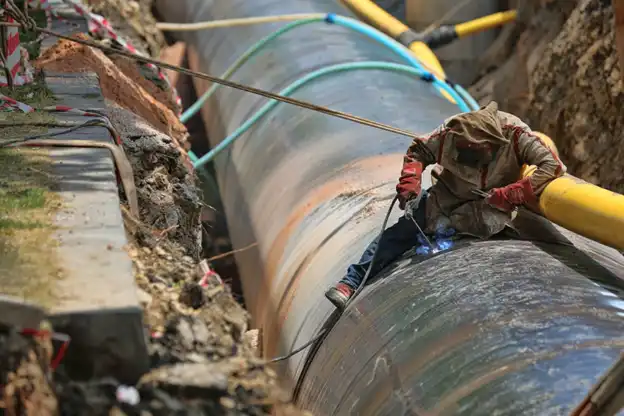
The connection between architectural zoning rules and sewer routing is vital for effective urban planning and management. Municipalities must consider environmental, economic, and public health implications when shaping their regulations. The evolution of these two components will determine the success of urban development initiatives and the resilience of communities.
Comments on this guide to Sewer routing and architectural zoning rules article are welcome.
Sewers
Sewer System Posts
The basics of sewer installation

Understanding the sewerage system
Hiring plumbing service for sewer repairs
++
Architects and Architecture
Architects and Architecture by Type – architectural selection below:
Comments / photos for the Modern Sewer routing and architectural zoning rules advice page welcome.