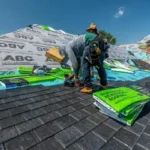
What Lies Beneath Your Shingles to Keep the Home Dry
March 21, 2026
Most people look at a house and see the color of the shingles or the pitch of the roofline. These exterior elements define the curb appeal of a property and provide the first line of defense against the weather. However, the surface is just a small part of a much larger system.
Beneath that outer shell lies a complex network of materials working together to keep the interior dry. Each layer has a specific job to do, ranging from structural support to moisture redirection. When these components fail, the shingles alone cannot prevent water from entering the living space.
Investing in a quality roof requires a basic familiarity with the various layers hidden from view. Knowing how these elements interact helps homeowners make better decisions during a replacement. A complete system relies on the healthy condition of all its individual roof parts to function correctly.

The Role of Decking as a Structural Base
The decking serves as the foundation for the entire roofing assembly. It consists of large sheets of plywood or oriented strand board that are nailed directly to the rafters. This solid surface creates the flat plane necessary for attaching every other material in the system safely.
Without a strong deck, the roof would lack the structural integrity to support heavy snow loads or high winds. It distributes the weight of the shingles and the people who walk on the roof across the structural frame. A sturdy base ensures that the exterior layers stay flat and secure.
If moisture reaches this wooden layer, the wood can soften and begin to sag over time. This leads to dangerous soft spots that compromise the safety of the entire building. Maintaining a dry deck is the most critical priority for ensuring the long term stability of a home.
Drip Edge and Underlayment for Water Direction
Water has a natural tendency to curl back under the shingles and soak into the wooden edges of the roof. The drip edge is a metal flashing installed along the eaves to prevent this capillary action. It directs the flow of water safely into the gutters or away from the house.
Underlayment acts as a secondary waterproof barrier that sits directly on top of the decking. It catches any moisture that manages to blow past the shingles during a heavy storm or a period of ice damming. This layer provides a crucial safety net for the wood beneath it.
These materials work together to seal the most vulnerable parts of the roof perimeter. By keeping the edges dry, they prevent the fascia and the deck from rotting prematurely. This invisible protection is what keeps the home dry even when the wind drives rain horizontally against the building.

Protecting Vulnerable Junctions with Flashing
Every roof has points where different planes meet or where structures like chimneys penetrate the surface. These junctions are the most likely spots for leaks to develop because water naturally collects in these gaps. Flashing is the metal material used to bridge these specific areas.
Standard shingles are not flexible enough to create a waterproof seal around a vertical chimney or a vent pipe. Metal flashing is bent and fitted to these shapes to create a permanent barrier against the elements. It forces water to continue flowing down toward the gutters instead of seeping inside.
Valleys are another critical area where two roof slopes meet and channel a high volume of water. Without heavy duty metal or reinforced membranes in these valleys, the constant flow would quickly erode the shingles. Proper installation of these metal components is vital for a leak free home.
The Science of Airflow and Ventilation
It might seem strange to want air moving through a roof, but proper ventilation is essential for its health. Trapped heat in the attic can cook the shingles from the bottom up, leading to premature aging and cracking. A balanced flow of air regulates the temperature throughout the year.
During the winter months, moisture from inside the house can rise into the attic space and condense on the cold underside of the roof. This condensation leads to mold growth and can eventually rot the decking from the inside out. Ventilation carries this humid air away before it causes damage.
A high functioning system uses intake vents at the eaves and exhaust vents at the peak to create a natural cycle. This constant movement of air protects the structural components from the invisible threats of heat and humidity. It is a silent protector that extends the life of the entire system.
Maintaining Individual Layers for Longevity
A roof is far more than a simple collection of shingles nailed to a board. It is a sophisticated engineering feat that requires every component to be in peak condition to work effectively. When one layer fails, the others are forced to work harder to compensate for the gap.
Homeowners who take the time to care for the hidden layers find that their roofs last significantly longer. Addressing a small issue with a drip edge or a piece of flashing prevents a total structural failure later. Regular inspections should focus on these underlying details as much as the visible surface.
The peace of mind that comes from a dry home is the direct result of a well maintained sheltering system. Every layer contributes to the safety and comfort of the family living inside. Focusing on the complete structure ensures that the home remains protected for many years to come.
Comments on this guide to Home roof shingles decking materials article are welcome.
Home Roofing
Roofing Posts
Roofing materials for contemporary homes design

Shingle Roofing for Your House
Metal vs. Shingle roofs comparison
++
Homes
Residential Architecture Articles
Comments / photos for the Home roof shingles decking materials – house roofing build system page welcome.