
From Blueprint to Reality: The Financial Side of Home Renovations
24 October 2025
Every renovation starts with a vision, a sketch on paper, a concept in a designer’s mind, or a homeowner’s dream of something better. But while creativity fuels the transformation, reality often begins with budgets, financing, and timelines. Architecture, after all, isn’t just about design, it’s also about feasibility.
Across the world, homeowners and architects are rethinking the renovation process, not just in terms of style but in terms of strategy. Turning a design concept into a functional, beautiful living space requires more than vision; it requires a plan that aligns creative ambition with financial practicality.

The Overlooked Blueprint: Planning Beyond Design
When people think about architecture, they often imagine renderings, 3D models, and aesthetic details. But before the first wall is torn down or the first beam is set, there’s another critical blueprint at play, the financial one.
A renovation budget isn’t just a spreadsheet of costs; it’s a design framework in itself. Material choices, scale, energy efficiency, and sustainability features are all influenced by budget allocation. Architects who approach design with cost awareness early in the process are more likely to deliver projects that meet both creative and financial expectations.
The most successful renovations stem from collaboration. Homeowners bring goals, architects bring vision, and both must agree on realistic parameters. The truth is, even the most stunning designs can falter without sound financial planning.
Balancing Aesthetics with Affordability
Smart renovation doesn’t mean spending less, it means spending strategically. From an architectural standpoint, the best projects often emerge when creativity meets constraint. Tight budgets encourage thoughtful material use, modular design, and innovation.
For example, rather than opting for a full-scale remodel, many homeowners are reconfiguring layouts to create better flow and functionality. A kitchen might gain value through natural lighting and open sightlines instead of expensive fixtures. A modest addition might dramatically enhance a home’s architectural harmony if designed with purpose.
In the architectural world, good design has always been about optimization, maximizing impact with limited resources. That’s why more firms are integrating cost planning tools and value engineering techniques directly into their design process. These practices ensure that clients achieve not only beautiful spaces but sustainable investments.

Funding the Vision: Modern Financing Options for Homeowners
Home renovations, even smaller ones, can be financially demanding. Traditional loans and personal savings remain common sources, but today’s homeowners are exploring more flexible approaches that adapt to the dynamic nature of renovation projects.
Many are now choosing to leverage their home’s existing value to fund upgrades, often through a HELOC loan which offers flexibility to access funds as the project progresses. Whether the goal is to expand living space, update a home’s energy systems, or incorporate sustainable materials, this financing option allows homeowners to align their design timeline with available resources.
This isn’t about promoting financial products, it’s about recognizing that architectural creativity often relies on practical tools. When used wisely, financial flexibility empowers homeowners to pursue designs that enhance both their lifestyle and long-term property value.
When Design Meets Financial Foresight
Consider the growing trend of adaptive reuse, transforming existing structures into new, livable environments. In cities across the world, warehouses have become lofts, factories have turned into mixed-use spaces, and old cottages have been reborn as energy-efficient modern homes.
In most of these cases, successful outcomes stem from two factors: a clear design vision and realistic budgeting. Homeowners who accounted for material shortages, labor fluctuations, and energy efficiency costs early on were able to see projects through without compromise.
Similarly, small-scale architectural transformations, like converting an attic into a studio or reimagining a basement as a wellness retreat, benefit from incremental financing strategies. Instead of halting construction midway due to cost overruns, homeowners can phase the project intelligently, matching progress with available funds.
In this sense, financing isn’t separate from design, it’s part of it. Smart financial planning makes architectural creativity sustainable.
The Architect’s Evolving Role in Financial Feasibility
Architects today aren’t just designers; they’re strategic partners in realizing a client’s vision. The profession is evolving to encompass financial awareness alongside creativity. Many architecture firms now integrate cost-estimation software, sustainable sourcing research, and lifecycle cost analysis into their design process.
This shift reflects a growing understanding that design and finance are not competing forces. When aligned, they create projects that are both aesthetically compelling and financially viable.
By helping clients visualize not just the look but the cost trajectory of a project, architects can guide them toward better decisions, whether that means prioritizing insulation over imported tiles, or designing modular extensions that can be added later as budgets allow.
It’s a form of design intelligence that strengthens the profession’s credibility and deepens client trust.
Designing for the Long Game
Renovations aren’t merely about beautification; they’re about longevity. The most impactful architectural projects add value not just today, but for decades to come. That value is financial, emotional, and environmental.
Energy-efficient design, for example, reduces long-term costs and appeals to eco-conscious buyers. Flexible floor plans allow homes to evolve with families. Durable materials reduce maintenance expenses. These are all architectural decisions with financial implications, and they demonstrate how design choices directly intersect with fiscal foresight.
The modern homeowner isn’t just asking, “What will it look like?” but also, “How will it perform and pay off over time?”
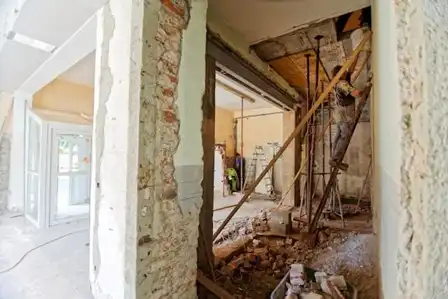
Photo by Milivoj Kuhar on Unsplash
Conclusion: When Vision Meets Viability
Every renovation begins with imagination, an architect’s sketch, a homeowner’s inspiration, or a designer’s challenge. But what truly brings those ideas to life is balance: between vision and viability, form and function, creativity and cost.
In the end, great architecture isn’t defined by how much it costs, but by how intelligently it’s conceived and executed. By pairing strong design principles with thoughtful financial planning, homeowners and architects can transform blueprints into reality, spaces that inspire, endure, and tell the story of what’s possible when art meets strategy.
Comments on guide to Home renovations financial planning – transforming space in a property article are welcome.
Building Articles
Residential Architecture
++
Real Estate Agents
Real Estate Agent Posts
What is a realtor vs. Real estate agent
6 major pitfalls to avoid by using a real estate agent
5 signs that you hired the wrong real estate agent
Comments / photos for the Home renovations financial planning advice guide page welcome.


