Ways to Install Lightning Protection in Your Home
28 November 2025
For most people, protecting their homes from natural disasters remains a top concern. Thunderstorms can bring torrential rain, hail, powerful winds, and strong air, and also strike property and electronics with lightning. Good lightning protection ensures peace of mind without increasing the risk of fire or electrical surges. Knowing realistic ways to install them makes it easier for each home to be safer in storms. Here are some secure methods to protect homes from damage and injury due to lightning strikes.
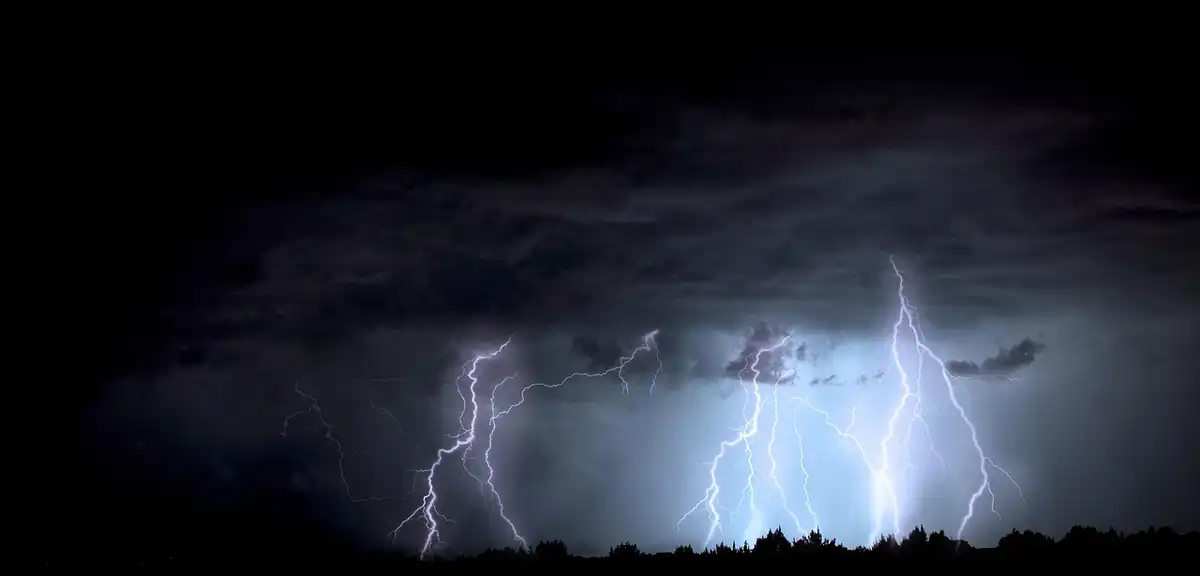
The What and Why of Lightning Protection
Lightning strikes deliver powerful jolts of energy capable of running beneath roofs, through walls, and through wires. Hits or nearby blasts can cause blackouts or fires. Unprotected, delicate equipment is at severe risk. Although not common, the aftermath of a lightning strike can be devastating. So taking precautions and having lightning protection for house is vital. This can save both property and lives, so investing in proper installation can go a long way in protecting both.
Conducting a Home Risk Assessment
Step one is assessing a building’s vulnerability. The threat is higher, however, if these houses are located on hills or in open spaces. Even tall trees nearby can influence exposure. Susceptibility is also dependent on factors such as the materials used in the construction and the type of roof. An expert evaluation helps understand what needs the most attention. This evaluation provides a customized protection strategy.
Installing a Lightning Rod System
A lightning rod, also known as an air terminal, is a structure that creates a direct electrical connection between the atmosphere and the ground. At the top, the rod draws lightning before it hits the roof. It is linked to thick wires that direct the current downward. The requirements are the same as those of a standard electrical system, which necessitates a grounding rod buried deep in the earth. If installed properly, placed correctly, and well-connected, there are no drawbacks to it.
Grounding the Electrical System
Grounding in electrical systems enables the escape of voltage overload. A grounding rod is typically made of copper or steel and is installed outdoors. Wires next to the main electrical panel connect to this rod. Any lightning surge is directed underground. Regular inspections ensure that the connections are intact and free from corrosion. The installation of grounding of current standings can increase safety.
Using Surge Protection Devices
Surge protectors protect electronics and devices from voltage spikes. These are fitted in the main service panel or right at the outlets. Compared to plug-in models, whole-house surge protectors provide overall better protection. They react in real-time to redirect surges away from delicate equipment. With the combination of surge protection and grounding, it is an additional layer of security.
Bonding Metal Components
A lightning strike can travel through metal pipes, gutters, and even the frame of your home. Bonding: This is the process of connecting these parts to the home’s grounding system. Having that grounding and carrying that circuit out prevents unsafe differential voltage levels. Bonding will stop sparks or arcing, which could ignite combustibles. A key element of overall safety is consistent bonding throughout the structure.
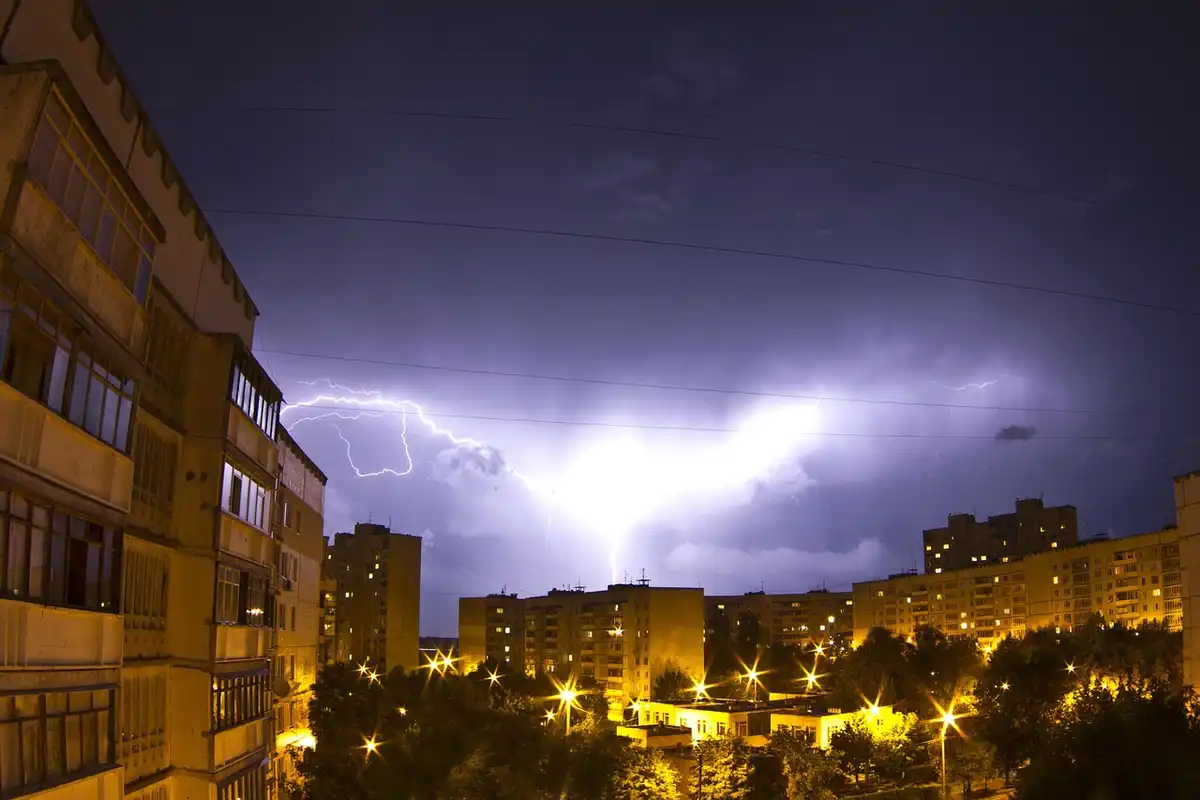
Maintaining Regular System Inspections
A lightning protection system must be inspected periodically to ensure it works properly. If they find any loose connections, corrosion, or physical damage, professionals will check. They ensure that rods, cables, and grounding rods function as designed. They assist in identifying and correcting deficiencies before storm season. Regular maintenance enhances the assurance of continued safety.
Educating Household Members
Awareness and preparedness play a crucial role in overall protection. All residents should learn how to use surge protectors and recognize signs of electrical problems. Emergency plans for disconnecting devices and preparatory tips for seeking shelter during storms can save lives. Sharing information about best practices encourages a culture of safety within the home.
Consulting Qualified Professionals
Professional installation requires expertise and adherence to compliance standards. Installers Reference Identifiers are set out under strict guidelines in relation to rod placement, cable sizing, and grounding depths. Skilled professionals must be carefully selected to ensure that components function together as a system. DIY attempts can create protection gaps and increase risk.
To Sum Up
Several deliberate and well-coordinated steps are taken to protect a home from lightning strikes. Whether it is rods and surge protectors or periodic inspections and education, they all play their part. These steps help reduce risk, minimize disruptions, and provide much more peace of mind for homeowners. You can take measures to ensure a more secure and enjoyable living environment for all of us during stormy conditions by taking action today.
Comments on this guide to Home lightning protection installation methods article are welcome.
+++
Home Improvement
Home Improvement Posts
Five various home remodeling programs
DIY Home Improvement Projects Tools
+++
Building Articles
Residential Architecture
Comments / photos for the Home lightning protection installation methods advice guide page welcome