Tips for Hiring a Reliable Freelance CAD Designer for Architecture Projects
February 18, 2026
Architecture projects move fast, and drawings often become the single source of truth for everyone downstream. A small drafting error can ripple into permitting delays, change orders, and field rework. That is why choosing the right freelance CAD support is not a simple staffing decision. It is a quality and risk decision that affects the entire build.
Many firms hire freelance designers when workloads spike, deadlines tighten, or specialized drafting support is needed for a specific phase. The best results come from a clear scope, strong standards, and a hiring process that tests how a designer thinks, not only how their portfolio looks. These tips will help you select a dependable CAD partner and set the project up for clean handoffs and predictable outcomes.

Define Scope, Deliverables, and CAD Standards Up Front
Start with an exact scope. “Draft a set of plans” is too vague. Break the work into deliverables such as schematic floor plans, permit-ready construction documents, details, elevations, reflected ceiling plans, schedules, and as-builts. Include the intended use, such as permitting, pricing, coordination with consultants, or fabrication. A designer can work faster and with fewer revisions when the target is explicit.
Next, specify the drafting standards that matter for your office. Define sheet organization, naming conventions, lineweights, annotation style, dimension rules, title blocks, and revision protocols. If you have a CAD or BIM execution plan, share it early. If you do not, create a lightweight version for the project. Even a two-page standards sheet can prevent hours of rework.
Also, clarify coordination requirements. State which consultant backgrounds will be provided, what file formats are required, and how external references should be managed. Set expectations on model cleanliness, layer discipline, and purge routines. These details protect your team when files pass between multiple hands.
Screen for Architecture-Specific CAD Experience
Not every CAD designer understands architectural documentation. Look for proof that they have produced drawing sets that reflect real construction workflows. Ask what types of projects they draft most often, such as residential, retail, hospitality, tenant improvement, or multifamily. A designer who has lived through permitting cycles and coordination rounds will anticipate common issues.
Request sample sheets that match your project type. Review them for clarity, hierarchy, and consistency. Pay attention to dimension logic, note placement, and detail callouts. Strong drafting reads cleanly and supports fast comprehension. Weak drafting forces the contractor to guess, and guessing is expensive.
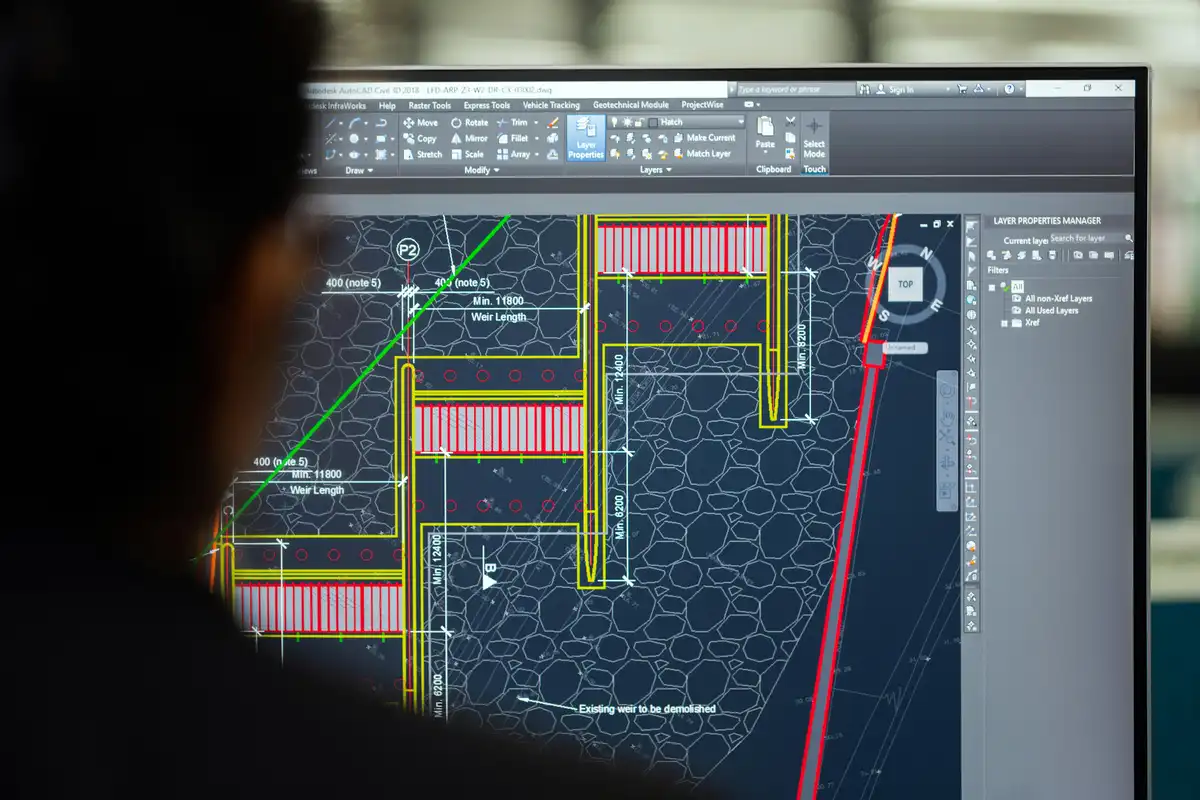
Ask about software proficiency in the tools you use. AutoCAD and Revit remain common, but many teams also require SketchUp, Rhino, Archicad, or Civil backgrounds for context. Proficiency is more than knowing commands. It includes file hygiene, template use, and the ability to work within an office system.
Validate Workflow, Communication, and Revision Habits
Reliability is often a workflow trait, not a talent trait. Ask how they structure their day, how they track tasks, and how they handle revisions. A good freelancer can explain how they take direction, document decisions, and avoid redoing work after scope changes. Their process will tell you a lot about how they will perform under pressure.
Set communication expectations before work begins. Decide the main channel for updates and set an update cadence. For fast-moving projects, a short daily update can prevent misalignment. For longer timelines, a scheduled check-in two or three times per week may be enough. The point is predictability. Silence often hides problems until they become urgent.
Also, ask how they manage version control. You want a clear file-naming system and a habit of documenting changes. If they do not track revisions carefully, you risk losing time comparing files and reconciling conflicts across disciplines.
Use a Paid Test Task That Mirrors Real Project Work
Portfolios can be curated and collaborative. A test task demonstrates how the designer performs against your standards, constraints, and deadlines. Keep it small but realistic. For example, provide a floor plan markup and request a cleaned-up plan sheet with correct annotations, dimensions, and layering. Or provide a partial model and request a set of details and schedules consistent with your template.
Evaluate the output with a practical lens. Did they follow standards without reminders? Did they ask clarifying questions that show good judgment? Did they deliver on time? Consider technical aspects as well, such as lineweight hierarchy, alignment, tagging accuracy, and sheet organization.
Use the test to measure revision efficiency. Ask for one change round. A dependable freelancer responds quickly, makes clean edits, and returns an updated set without breaking unrelated items. That behavior predicts how the full project will run.
Set Contract Terms That Protect Schedule and Quality
A simple agreement can prevent misunderstandings. Define scope, delivery dates, hourly rate or fixed fee, included revision rounds, and turnaround expectations for change requests. If the project includes phased submissions, set milestones and payment points tied to deliverables. This keeps both sides aligned and reduces friction.
Address ownership and confidentiality. Architectural files often contain client data, proprietary details, and consultant information. Require secure file handling, controlled sharing, and clear rules for using work samples in portfolios. Your agreement should state that deliverables belong to your firm upon payment.
Include a policy for urgent support. Many architecture teams need quick turnarounds near submission dates. If the freelancer can provide rush support, define the premium rate and notice requirements. If they cannot, plan accordingly so deadlines do not hinge on last-minute availability.
Create an Onboarding Plan That Makes Success Easier
Even strong freelancers struggle without context. Provide a structured onboarding package. Include templates, title blocks, layer standards, naming conventions, typical details, and a sample set that reflects your office preferences. Share a short summary of the project, key constraints, and the decision-makers involved.
Clarify how redlines will be delivered and interpreted. Some teams use PDF markups, others use Bluebeam Studio, and some use direct model comments. Choose one system and stick to it. Standardizing redlines reduces confusion and speeds up production.
Finally, treat the freelancer like a project partner, not a last-minute drafting resource. When they understand the intent behind the drawings, they make better decisions and catch problems earlier. That is how you get clean sheets, smoother coordination, and fewer late-night fixes before a deadline.
Guide to Hiring a reliable freelance CAD designer for architecture projects tips comments welcome.
CAD Design and BIM Construction

CAD and BIM Construction Design
BIM: Building Information Modelling
BIM Objects and Building Products: Computer Design
Macro BIM: Building Information Modelling
++
Architectural Designs
Comments / photos for the Hiring a reliable freelance CAD designer for architecture projects tips – Computer Design Software advice page welcome