Hidden Culprits Behind Poor Airflow in Your Home
12 December 2025
Good airflow is one of the most important yet overlooked factors in maintaining a comfortable and healthy home. When air circulates properly, it keeps the indoor environment fresh, prevents humidity buildup, and helps heating and cooling systems work efficiently.
However, many homeowners face the problem of weak or uneven airflow without realizing that the issue often lies deeper than a simple blocked vent or an aging HVAC system. Several hidden culprits may be silently affecting your home’s air circulation, making it essential to identify and address them early.
The Role of Air Quality in Restricting Airflow
Poor airflow in a home often starts with declining indoor air quality. Dust, moisture, and debris settle inside vents and coils, forming buildup that narrows air passages over time. As these contaminants collect, airflow weakens, and the system has to work harder to maintain comfort.
One effective way to prevent such buildup is by maintaining clean air through the use of air purifiers. These devices help reduce airborne particles that would otherwise settle and clog components within the ventilation system.
Air purifiers that use ultraviolet technology take this process a step further. Once you know how UV purifiers handle mold, it becomes clear why they stand out as an effective way to keep airflow smooth and unrestricted. By neutralizing mold growth deep inside the system, they prevent the layers of residue that typically slow down circulation.
Cleaner ducts and coils mean air can move more freely, maintaining balance, efficiency, and overall indoor comfort.
Clogged Air Filters
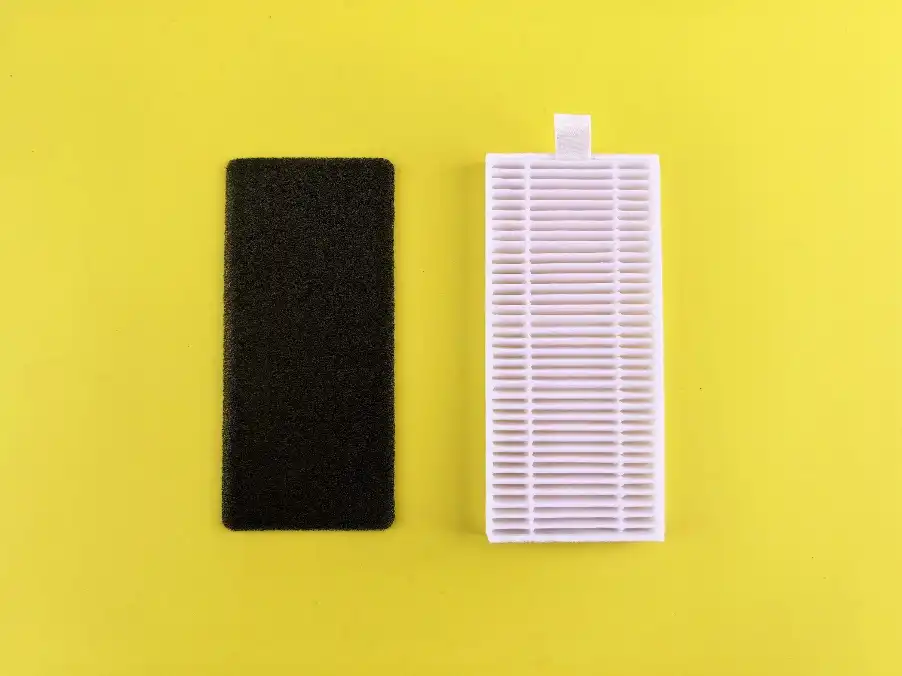
One of the most common yet easily preventable causes of poor airflow is a dirty or clogged air filter. Air filters trap dust, debris, and allergens, but over time, these particles accumulate and restrict air from passing through efficiently.
When airflow is blocked, your HVAC system must work harder to move air around the home, which not only strains the system but also creates uneven temperatures between rooms.
Regularly replacing or cleaning filters is a simple but essential habit. Neglecting this step can reduce your system’s performance and significantly increase energy usage. Always ensure filters are inspected according to the manufacturer’s recommendations and replaced as needed to maintain optimal airflow.
Obstructed Vents and Registers
Another hidden issue that many homeowners overlook is blocked vents and registers. Furniture, rugs, or curtains that cover these openings prevent air from circulating freely. Even partially blocked vents can cause significant imbalances in the temperature and airflow throughout the home.
Checking every room for obstructions and ensuring vents remain clear can make a noticeable difference. Also, avoid closing too many vents at once. While it may seem like a good idea to redirect air to specific areas, this can actually create pressure imbalances that harm your system and further restrict airflow.
Leaky or Dirty Ductwork
The duct system plays a major role in distributing air evenly across your home. Over time, ducts can develop leaks or gaps, especially at joints and seams. These leaks allow conditioned air to escape before it reaches its intended destination. As a result, some rooms may feel stuffy while others remain comfortable.
Additionally, ducts can collect dust, pet hair, and debris that obstruct the flow of air. Professional duct cleaning and inspection can reveal leaks or buildup that may be causing hidden airflow issues. Sealing and insulating the ductwork ensures that air travels efficiently from your system to each room.
Failing Blower Motor or Fan
Your HVAC blower motor or fan is responsible for pushing air through the ducts and into your living spaces. If this component begins to fail or slows down, airflow naturally decreases. Issues such as worn belts, dirt buildup on blades, or electrical malfunctions can reduce the fan’s performance.
Routine maintenance can catch these problems before they worsen. Cleaning and lubricating moving parts or replacing a weak motor can restore full airflow and keep your system running smoothly.
Improperly Sized Ducts
Sometimes, the problem lies in the design rather than the maintenance of your HVAC system. Ducts that are too narrow or improperly sized for the system can restrict airflow even if everything else is functioning properly.
In homes with additions or renovations, older ductwork may not match the demands of newer systems, leading to uneven air distribution. Consulting a professional to evaluate duct design can identify whether resizing or redesigning parts of the duct system might improve overall performance.
Blocked or Dirty Coils
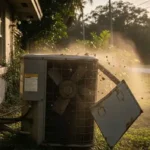
Evaporator and condenser coils are key components of an air conditioning system. These coils help in transferring heat, but when they become coated with dust or grime, they lose efficiency and restrict airflow. The buildup forces the system to work harder, creating weak air output and possible overheating.
Cleaning the coils as part of regular maintenance can prevent this issue. Keeping the surrounding area free of dirt and ensuring adequate ventilation around outdoor units also helps maintain efficient airflow throughout your home.
Inadequate Insulation and Sealing
Even if your ducts are in perfect condition, poor insulation or unsealed gaps in walls and attics can disrupt airflow and temperature balance. Air can escape through cracks, reducing efficiency and forcing your system to push harder to maintain the desired temperature.
Inspecting and sealing gaps, especially in attics, crawl spaces, and around windows, can preserve conditioned air and improve circulation throughout your living space. Adequate insulation supports consistent airflow and helps regulate temperature differences between rooms.
Neglected Maintenance and Age of the System
Finally, the age and condition of your HVAC system play a significant role in how well air moves through your home. Older systems often lose efficiency due to wear and buildup over the years. Components such as motors, belts, and fans degrade, and minor issues left unaddressed can lead to more serious airflow problems.
Regular tune-ups, cleaning, and inspection by qualified professionals can extend the lifespan of your system and prevent hidden issues from escalating. Staying proactive with maintenance ensures that airflow remains strong and consistent, keeping your home comfortable all year.
Comments on this The Hidden Culprits Behind Poor Airflow in Your Home article are welcome.
Sustainable Building Design
Sustainability Posts
Simple changes to make your home more eco-friendly
How to Make a Home more Eco-friendly
++
Buildings
Architecture
Springfield University Hospital in London, England, UK
MD Anderson Cancer Center at Cooper in Camden, New Jersey, USA
Design: Francis Cauffman, Architects
Comments / photos for the The Hidden Culprits Behind Poor Airflow in Your Home page welcome