
Heavy Lifting in Home Building: Cranes, Chains, and Architectural Planning
post updated 9 August 2026
9 August 2025
Modern home construction isn’t just about beautiful designs – it also involves orchestrating some serious heavy lifting behind the scenes. From expansive roof trusses to steel beams and even swimming pools for rooftop terraces, many components of a designer home are far too heavy or unwieldy to position by hand.
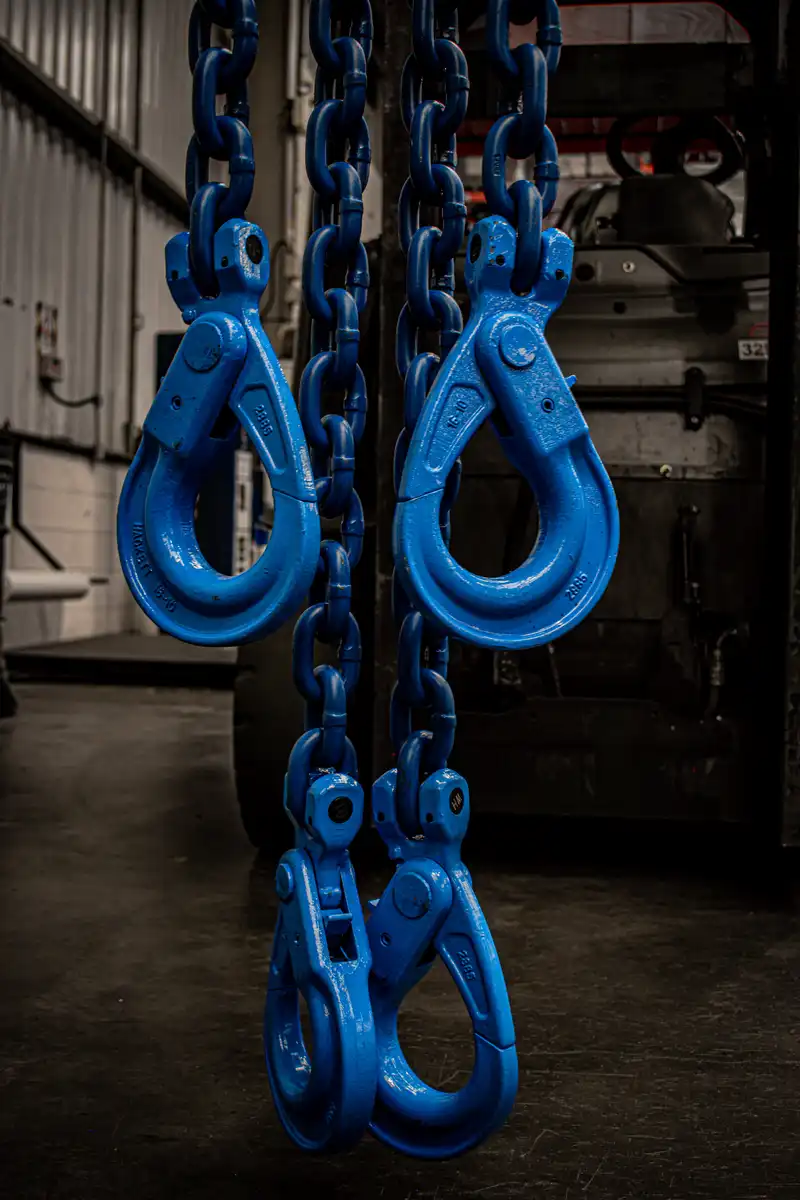
This is where cranes, hoists, and lifting chains come into play. In fact, forward-thinking architects consider these material-handling challenges as early as the design stage, ensuring their vision can literally be lifted into reality without a hitch.
Designing Homes with Heavy Lifting in Mind
When an architect develops a custom home plan, they’re not only thinking about layout and aesthetics – they’re also considering how each large structural element will be built and placed.
Features such as an exposed steel beam in an open-plan living space, a prefabricated roof section, or a full-size pool installed on an upper deck all require careful logistical planning. These elements can weigh several tonnes and often require specialised equipment to get them into position.
Key architectural considerations at this stage include:
- Crane location and access during construction
- Lifting paths that avoid obstructions
- Structural allowances for temporary loads during installation
- Space for rigging, including sling angles and spreader bars
By engaging with structural engineers and crane operators early, architects can design in a way that makes the lifting process both feasible and efficient.
Cranes: Turning Architectural Drawings into Reality
Although cranes are often associated with skyscrapers, they are equally essential on residential projects when large or heavy materials must be elevated.
Roof Trusses and Prefabricated Sections
For example, roof trusses can span significant distances and weigh hundreds of kilograms. Positioning them manually is not only unsafe but inefficient. Cranes can place each truss exactly where it needs to go, improving both safety and alignment.
Steel Beams and Concrete Panels
Modern architectural designs frequently feature long-span steel beams, LVLs, or even precast concrete panels. These are best lifted in as single elements rather than assembled in place, saving time and minimising potential error.
Compact Cranes for Tight Sites
For urban residential sites with restricted access, architects may plan for spider cranes or small mobile cranes. Early design adjustments such as removable fence panels or temporary site openings can make crane access possible without altering the building’s final footprint.
Early Planning: Architects and Contractors in Sync
The most successful projects involve crane and rigging strategy as part of the architectural plan.
Collaborative Lift Planning
Architects, contractors, and lifting specialists can coordinate to determine:
- Crane siting and outrigger space
- Temporary access points in walls or roofs
- Lift sequencing to optimise construction flow
- Structural lift points incorporated into the build
This foresight avoids last-minute compromises and ensures large elements fit exactly as intended.
Heavy Architectural Features: From Pools to Hot Tubs
Beyond roof structures, many modern homes integrate feature elements that push lifting logistics to the forefront.
Rooftop Pools
A full-size swimming pool on an upper deck is a standout luxury. But with empty shell weights often exceeding several tonnes, cranes are the only safe option. Architects must plan for:
- Structural reinforcement beneath the pool
- Crane reach and capacity to lift over or around the building
- Timing of the lift (often before full roof completion)
Large Spas and Hot Tubs
While smaller than pools, rooftop spas can still weigh over 2,000 kg when filled. Delivery often requires a mobile crane to lift the unit directly into place, with design provisions such as removable balustrades or dedicated access points.
By considering these lifts in the concept stage, architects can integrate both structural and logistical requirements without compromising the final design.
The Role of Lifting Chains and Rigging Equipment
Cranes provide the reach and power, but it’s the rigging – especially lifting chains – that ensures a safe, controlled lift.
Why Lifting Chains Are Essential
- Strength and Safety: Grade 80 and Grade 100 alloy steel chains meet stringent overhead lifting standards.
- Durability: Resistant to sharp edges, high temperatures, and abrasion – ideal for construction sites.
- Precision: Minimal stretch allows for accurate load placement, essential for architectural components.
Common Configurations
- Single-leg chains for narrow beams or trusses
- Two-leg or four-leg slings for balanced lifts of large or square loads
- Adjustable chains for irregular shapes and varying load points
For more technical specifications and examples of adjustable chain slings, resources such as https://www.sling-smarter.com/ catalogue professional-grade rigging options suitable for architectural applications.
Safety and Efficiency Through Early Integration
Factoring crane and rigging needs into the design stage delivers multiple benefits:
- Improved safety: No improvisation on site; all lifts planned and engineered.
- Faster build times: Heavy elements installed in fewer, well-executed lifts.
- Cost control: Reduced risk of damage, rework, or hiring larger equipment at short notice.
Architects gain the confidence that their design can be executed as envisioned, while contractors benefit from a clear logistical roadmap.
Conclusion: Architecture Elevated
Modern homebuilding increasingly relies on the synergy between architectural vision and lifting technology. Cranes, chains, and expert rigging aren’t afterthoughts – they are critical to turning ambitious designs into safe, buildable realities.
When architects plan for the heavy lifting from the earliest sketches, they ensure that every bold feature – from a soaring truss to a rooftop pool – can be installed with precision. It’s not just good project management; it’s the difference between a design that looks good on paper and one that stands proudly in the real world.
Author: Liam Thomas
Construction & Material Handling Specialist
Comments on this Heavy Lifting in Home Building: Cranes, Chains, and Architectural Planning article are welcome.
Architecture Design
Contemporary Building Designs – recent architectural selection from e-architect below:
++
Property Designs
Contemporary Property Designs
Comments / photos for the Heavy Lifting in Home Building: Cranes, Chains, and Architectural Planning page welcome


