Free 3D Floor Plan Tools are Shaping Modern Architecture
7 July 2025
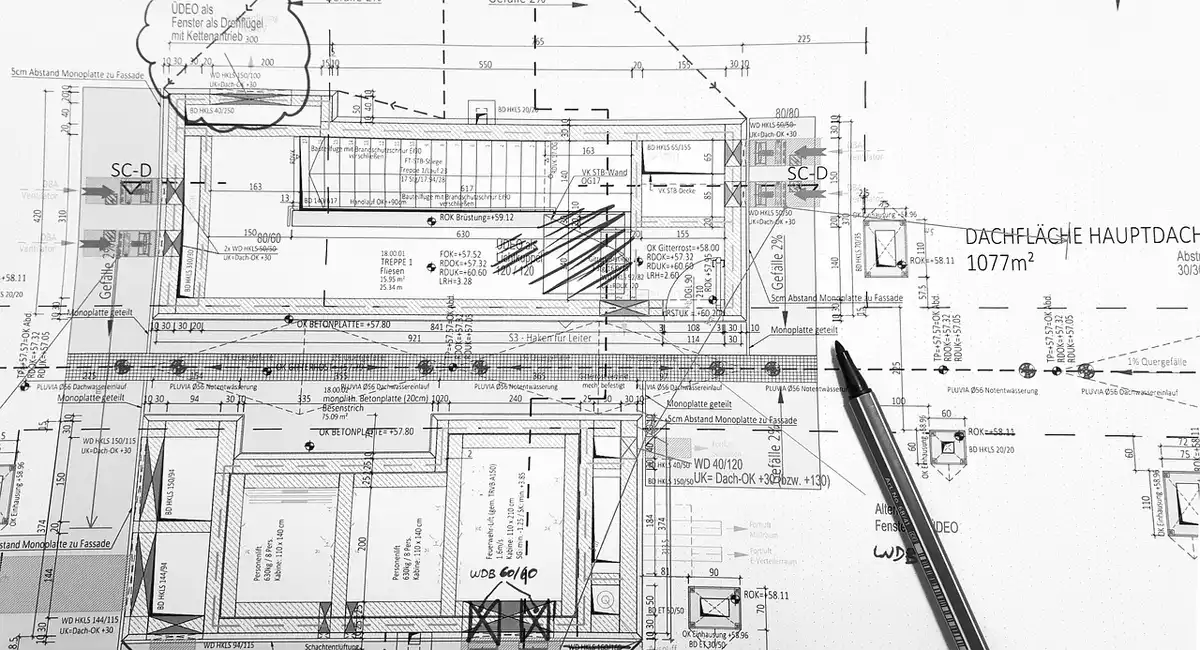
Floor plans are the backbone of architectural communication. They define space, function, and flow, long before any materials are sourced or walls are raised.
Yet for many outside the profession, reading 2D architectural drawings remains a challenge. Fortunately, technology is stepping in to bridge that gap. Thanks to platforms offering free 3D floor plan design, spatial planning is becoming more accessible, collaborative, and user-friendly.
One such tool, Arcadium, lets users visualise and adjust interior layouts directly in their browser. While it’s one of many platforms reshaping the design process, it represents a larger movement: making architectural planning more intuitive and inclusive at every level, from students to professionals to clients.
From 2D to 3D: A Shift in Design Communication
Traditional floor plans—while technically precise—often require training and spatial awareness to interpret. This can create a disconnect between designers and clients. Enter 3D floor planning: a way to convert static blueprints into immersive models, where rooms come to life and scale becomes tangible.
Key benefits of 3D floor plans:
- Enhanced spatial understanding for non-designers
- Improved layout flow and circulation testing
- Early visualisation of furniture, finishes, and fixtures
- Stronger collaboration between architects, clients, and stakeholders
Whether you’re designing a single-room studio or a multi-level residential build, a 3D floor plan allows all parties to “see” and respond to a space before a single physical change is made.
Why Free Tools Are a Game-Changer
While advanced BIM systems and high-end CAD software remain essential for detailed design and construction documentation, many early-stage projects or students simply don’t need that level of complexity. That’s where free 3D floor plan design tools are proving incredibly useful.
Ideal use cases include:
- Concept development during feasibility studies
- Studio work for architecture and interior design students
- Quick layout visualisations for property developers
- DIY homeowners sketching early renovation ideas
- Client-led prototyping before hiring a design firm
These tools give users a risk-free space to explore, test, and iterate—without the time investment or learning curve of technical platforms.
Closing the Gap Between Designers and Clients
One of the most common challenges in residential architecture is communication. Designers often think in terms of geometry, scale, and function. Clients, on the other hand, think in emotions, lifestyle needs, and aesthetics.
By using 3D floor plans in client presentations or concept meetings, architects can speak a more universal design language, one that blends spatial logic with human experience.
Clients don’t have to imagine the room; they can step into it virtually, comment on changes, and feel engaged throughout the process.
What Makes These Tools So Effective?
Despite being free, many of these browser-based platforms offer features that mirror what’s found in premium design software. The goal isn’t to replace professional workflows but to supplement them, especially in early ideation and collaborative reviews.
Features to look for in 3D planning tools:
- Drag-and-drop room creation
- Precise measurement and scaling tools
- Furniture libraries with real-world dimensions
- Lighting and material simulation
- Export/share capabilities for feedback or handover
By integrating functionality with usability, these tools support rapid sketching, layout exploration, and moodboarding, without interrupting professional processes.
Empowering the Full Design Ecosystem
The true power of 3D planning tools lies in their versatility. They’re simple enough for a design student’s first draft but flexible enough to support seasoned professionals during early-stage brainstorming.
Beneficiaries across the board:
- Architecture students: Learn scale and layout in a visual context
- Freelance designers: Create quick mockups for proposals
- Clients and homeowners: Visualise potential renovations or extensions
- Builders and contractors: Interpret conceptual plans more easily
- Developers and marketers: Use 3D floor plans for off-plan property marketing
When everyone on the team can engage with a visual representation of space, it speeds up consensus and improves decision-making.
The Future of Floor Planning
The tools we’re using today are just the beginning. As AI, AR, and cloud collaboration become standard in the design industry, floor planning will become more adaptive, predictive, and connected to broader building systems.
What’s next?
- AI-powered layout generators based on user habits or preferences
- Sustainability insights during the planning phase (e.g., daylight access, airflow)
- Integrated furniture and materials costing
- Augmented reality previews using smartphones or tablets
- Interoperability with BIM software for seamless design-to-build transitions
These advances point to a future where 3D planning tools aren’t just useful—they’re essential to delivering intelligent, human-centred architecture.
Are Free Tools Replacing Professionals?
Not at all. In fact, they’re helping professionals work smarter. When clients arrive with a pre-visualised layout, or when students can test ideas on their own before a crit, the design process moves faster and becomes more productive.
They’re also especially valuable for smaller firms or solo practitioners who need agile, low-cost tools to communicate ideas quickly and effectively.
Final Thoughts
Floor planning is evolving. What used to require complex software and deep design knowledge can now be approached collaboratively, visually, and intuitively. Thanks to free 3D floor plan design platforms, more people than ever before can engage with architecture, not just as observers, but as participants.
As architecture continues to embrace digital tools, one thing is clear: design is no longer limited to the page—it lives in the cloud, in 3D, and in the hands of anyone willing to imagine.
Comments on this guide to How Free 3D Floor Plan Tools Are Shaping Modern Architecture article are welcome.
Building Drainage
Drainage and Plumbing Posts
Why Microbes and Bacteria are Essential for Your Septic System

image source : freepik.com
Ultimate Drainage Infrastructure Guide
++
Home Articles
Residential Architecture
Comments / photos for the How Free 3D Floor Plan Tools Are Shaping Modern Architecture page welcome.