The Architecture Shaping Today’s Most Efficient Gas Stations
5 December 2025
images courtesy of article provider
Why Modern Gas Stations Depend on Smarter Design
Today’s fuel stations operate in environments where efficiency, compliance, and customer flow all have to coexist without friction. Architecture plays a far bigger role than most people realize. The layout, structural planning, zoning choices, and operational pathways affect everything from safety performance to revenue output. That’s why modern stations rely on skilled gas station builders who understand how to merge engineering, architecture, and day-to-day functionality into a single, cohesive design.
Efficiency in a commercial fuel site isn’t just about faster fueling. It’s about orchestrating traffic, optimizing space, reducing energy use, and creating a safer environment for both customers and staff. Strong architectural planning sets that foundation. Stations built with outdated models can’t keep up with current industry demands, while modern designs anticipate future expansion, regulatory updates, and evolving consumer expectations.
Site Layout as the Core of Operational Flow
Architects begin with the site footprint, zoning requirements, and access points. A station’s layout determines how vehicles enter, navigate, fuel, and exit — and every second counts. Poorly planned layouts lead to congestion, safety hazards, and lost sales. Well-designed ones move traffic smoothly, separate high-risk areas, and keep operational zones organized.
Commercial sites also require wider circulation paths, reinforced pavement, and clearly marked delivery zones. These aren’t aesthetic choices; they’re operational necessities. Modern gas station builders work closely with architects to ensure canopy widths, pump placement, and turning radii support everything from compact cars to long-haul trucks.
Separation of Risk Zones
Architectural planning divides the property into controlled safety segments. Fueling islands, payment zones, entrances, exits, and delivery areas must operate independently without overlap. This reduces the chance of collisions, fuel spills, and bottlenecks.
Future-Proof Expansion
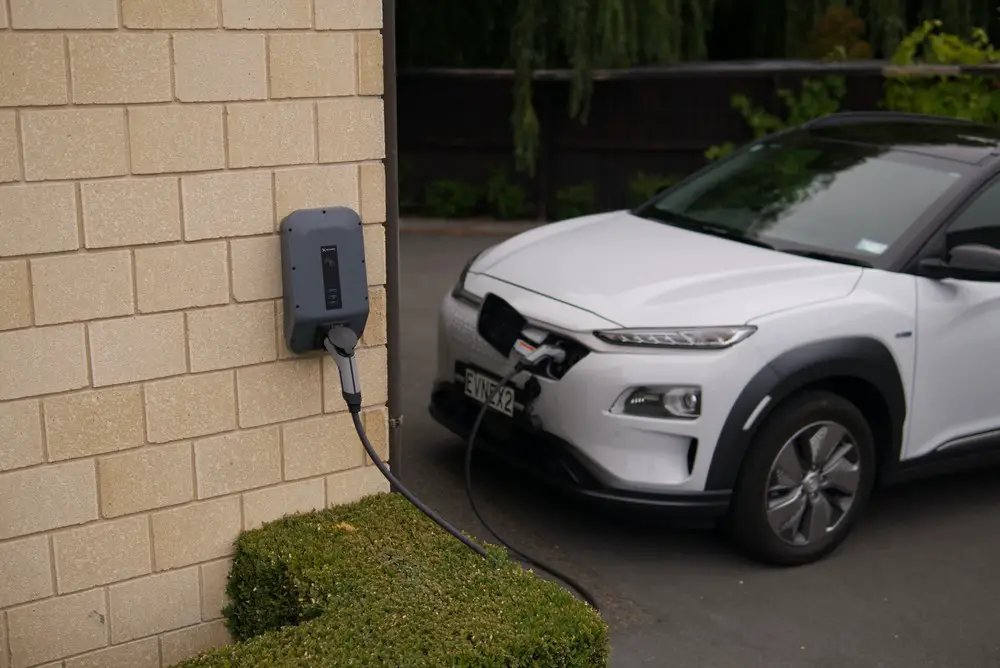
Today’s designs account for electric charging, additional pumps, underground storage upgrades, and technology integrations. Stations must evolve without costly redesigns, which means building flexible space right from the start.
Structural Choices Built for Safety and Durability
Fuel stations face heavy daily wear. Architecture must withstand constant vehicle weight, exposure to chemicals, and fluctuating weather. Reinforced pavement, durable canopy systems, and corrosion-resistant materials extend the lifespan of critical structures.
Architects design with code compliance and risk mitigation in mind. Load-bearing calculations, canopy height regulations, fire separation distances, and containment requirements all shape the final build. Commercial-grade planning reduces long-term maintenance costs and minimizes operational downtime.
Ventilation and Airflow Planning
Gas vapors and emissions require controlled airflow. Architectural decisions influence ventilation placement, canopy design, and open-air circulation to maintain safe conditions.
Fire Protection and Emergency Pathways
Stations must integrate fire-rated materials, suppression systems, and clear evacuation routes that remain usable even during peak traffic periods.
Better Fueling Islands Through Smarter Architectural Design
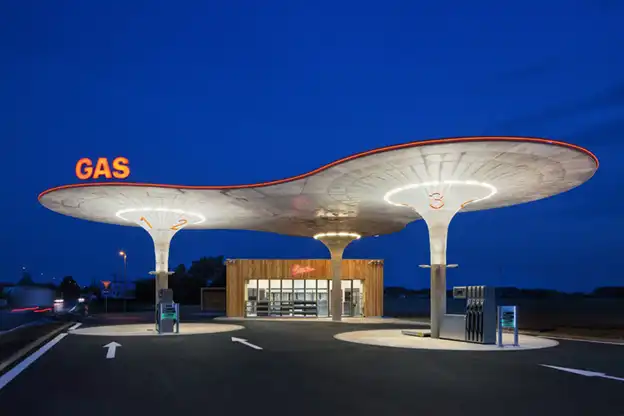
Fueling islands are the core revenue drivers, and their architecture determines how many customers a station can serve at once. Higher canopies improve visibility and accommodate taller vehicles. Wider islands reduce collisions and make pump access easier. Lighting placement prevents dark spots, improving both safety and perception of cleanliness.
Architects also analyze how customers approach pumps, where they queue, and how they transition to store entrances. The result is a fueling environment that feels intuitive and efficient, reducing hesitation and speeding up service.
Pump Spacing and Accessibility
Proper distance between pumps ensures customers can maneuver smoothly without backing up traffic. This small detail drastically improves throughput.
Weather-Protected Design
Canopies, overhangs, and drainage systems help maintain safe fueling conditions during rain, snow, or wind — a major factor in site reliability.
Integrating Technology Into Architectural Planning
Modern stations rely on an ecosystem of digital systems: payment terminals, monitoring tools, tank gauges, point-of-sale networks, and electric charging infrastructure. Architecture must account for wiring pathways, equipment placement, and secure access for maintenance teams.
Technology also shapes the customer experience. Stations designed around automated payment, digital displays, and real-time monitoring feel faster and more intuitive to use.
Energy-Efficient Systems
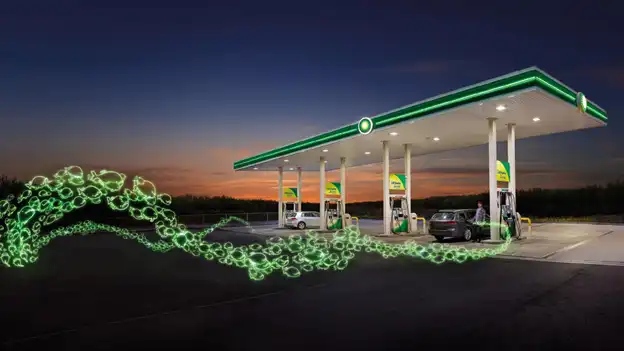
LED lighting, optimized canopy angles, solar integration, and insulated building materials reduce operating costs and support sustainability goals.
Smart Traffic Management
Architectural layouts now integrate sensors, signage, and real-time monitoring systems to keep vehicle movement predictable and safe.
Behind Every Efficient Station Are Skilled Builders
Architects create the blueprint, but experienced gas station builders bring the plan to life with precision. Their understanding of fuel systems, structural requirements, environmental regulations, and construction sequencing ensures the station performs exactly as designed. In commercial fuel operations, a minor error can lead to major downtime, making specialized builders essential to the project’s success.
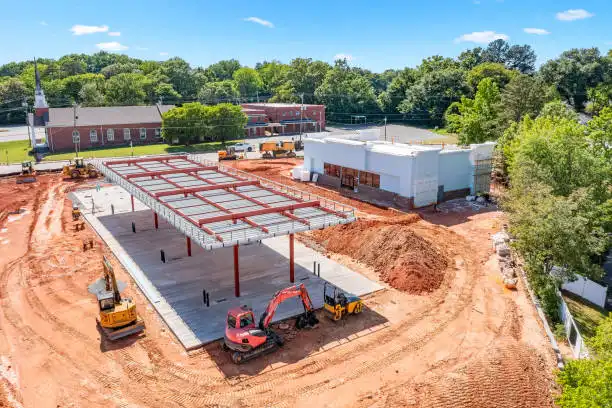
They coordinate excavation, tank installation, canopy construction, pump placement, and utility integration without disrupting timelines or compromising safety. When builders and architects collaborate effectively, stations operate smoother, last longer, and generate more reliable revenue.
Architecture That Drives Commercial Performance
The most efficient gas stations aren’t accidental — they’re engineered through intentional architecture, strict compliance planning, and expert execution. When the structure supports the workflow, everything runs cleaner and faster. Strong design reduces risk, improves usability, and boosts long-term operational performance. And with the support of skilled gas station builders, today’s fuel sites are built to meet the demands of modern transportation with durability, safety, and efficiency at the core.
Comments on this guide to Efficient gas stations architecture article are welcome.
Car Building Designs
Car Buildings Posts
Ferrari Centro Stile Building, Maranello, Italy
Porsche Pavilion in Wolfsburg, Germany
Electric Cars and the Future of Home Building
Building
Architecture Articles
Comments / photos for the The Architecture Shaping Today’s Most Efficient Gas Stations page welcome