
Relocating in the Heart of the City: Architectural and Logistical Challenges in Downtown Los Angeles
post updated September 17, 2026
September 17, 2025
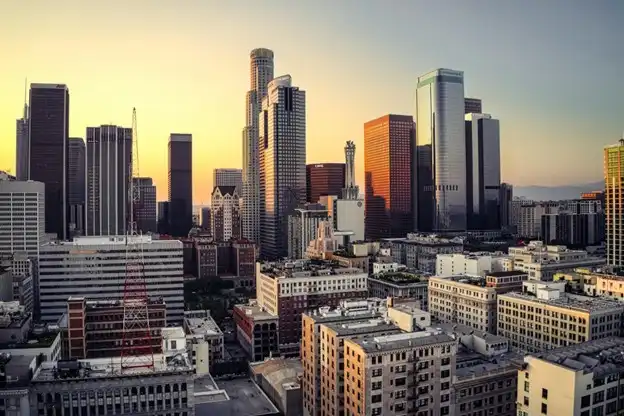
Relocating in a city like Los Angeles comes with unique challenges, especially in its dense downtown core. With a mix of historic Art Deco towers, adaptive-reuse lofts, and modern skyscrapers, Downtown LA demands specialized expertise when it comes to moving homes or offices. That is why residents and businesses often rely on a trusted Moving Company Downtown Los Angeles that understands not only logistics, but also the architectural realities of the neighborhood.
Urban relocation in such an environment is about far more than transporting boxes — it’s about navigating design constraints, respecting historic buildings, adapting to the infrastructure of a constantly evolving city, and ensuring that every move harmonizes with the urban fabric.
The Architectural Identity of Downtown Los Angeles
Downtown Los Angeles is a city within a city. It reflects more than 150 years of architectural evolution, from 19th-century Victorian warehouses to early 20th-century Beaux-Arts banks, mid-century modern government buildings, and glassy 21st-century skyscrapers.
- Historic Art Deco icons like the Eastern Columbia Building, with turquoise façades and terracotta ornamentation, symbolize the golden age of LA’s architectural experimentation.
- Adaptive-reuse lofts, such as the Old Bank District conversions, demonstrate how obsolete commercial spaces have been reborn as residential and creative hubs.
- Contemporary landmarks, including the Walt Disney Concert Hall by Frank Gehry and the Broad Museum, embody Los Angeles’s global architectural reputation.
This layered history creates opportunities and obstacles for movers. A sofa might glide easily into a modern condo tower with a spacious lobby, while a baby grand piano could require hoisting through a window of a century-old building with staircases too narrow to navigate.
Why Architecture Directly Impacts the Moving Process
In Downtown LA, moving is not just logistics — it’s an interaction with architecture.
- Elevator Design & Scheduling
- Many towers have freight elevators, but they come with strict weight and time restrictions. Moves must often be scheduled overnight or early morning.
- In adaptive reuse lofts, elevators may be retrofitted and not originally intended for heavy moving loads.
- Street-Level Challenges
- Downtown streets are narrower than many Los Angeles boulevards, with limited loading zones.
- Obtaining parking permits for moving trucks is an art in itself, requiring compliance with city regulations.
- Fragile Surfaces & Preservation Rules
- Historic lobbies often feature marble floors, brass fixtures, and wood paneling that cannot be scratched or damaged.
- Movers must use custom floor and wall protection to meet building management requirements.
- High Density = High Stakes
- Unlike suburban areas, a move in Downtown LA impacts hundreds of neighbors. Noise restrictions, HOA rules, and shared lobbies all play into the strategy.
Mini Case Studies: How Architecture Shapes Relocation
1. Residential Loft Move
A young couple relocating into a historic loft faces challenges like:
- Narrow freight elevator that cannot accommodate oversized furniture.
- Open-plan interior requiring creative furniture placement to maintain flow with exposed beams.
- No dedicated loading dock, meaning movers must coordinate with street closures.
2. Office Relocation in a Glass Tower
A marketing agency leaving a 1970s high-rise for a new Wilshire Grand office must deal with:
- Security protocols for after-hours freight elevator use.
- IT infrastructure relocation, requiring coordination with building engineers.
- Time-sensitive moves to avoid disruption of business hours.
3. Historic Building Preservation
Moving out of a landmark building adds another layer:
- Special permission from building management to protect historically significant interiors.
- Use of protective wraps on elevators and doorframes.
- Detailed planning with conservation rules, ensuring no harm to delicate finishes.
Architecture and Human Movement
At its core, architecture is about how humans move through space. Moving day intensifies that experience:
- Hallways designed for daily use suddenly see hundreds of large items carried through them.
- Elevators built for residents now transport bulky couches, appliances, and office desks.
- Parking areas designed for short-term drop-offs become staging grounds for multi-hour moves.
This is where architecture, urban planning, and logistics overlap. Every relocation becomes a temporary stress test of the building’s design.
Sustainability and the Urban Relocation Process
Modern moving practices in dense cities like Los Angeles are adapting to sustainability goals:
- Reusable Crates – Many movers now offer plastic eco-crates, reducing the waste from cardboard boxes.
- Fuel-Efficient Routing – Optimizing truck schedules and routes helps reduce carbon emissions.
- Partnership with Green Buildings – LEED-certified downtown towers often require eco-conscious practices, aligning movers with architects’ sustainability goals.
- Donation & Recycling Programs – Many Downtown moves involve downsizing, and movers coordinate furniture donation or recycling to avoid landfill waste.
Sustainable moving doesn’t just align with modern architecture — it reinforces it.
Urban Design Meets Logistics
From an urban design perspective, relocation is part of the city’s circulatory system:
- Loading Zones: Lack of dedicated spaces causes congestion. More modern towers now include built-in bays to streamline moves.
- Pedestrian Priority: Sidewalk access must remain open, requiring careful staging of moving trucks.
- Smart City Integration: Emerging apps allow building managers, movers, and residents to coordinate access digitally.
For architects, it’s a reminder that design doesn’t end at the doorframe — it extends to how people (and their belongings) enter and leave a building.
Statistics: Why Downtown LA Moves Are Different
- Over 80,000 residents now live in Downtown LA, up from just 18,000 in 2000 (Downtown Center BID).
- Dozens of adaptive-reuse projects have transformed former banks, offices, and factories into residential units.
- Historic preservation rules affect more than 200 buildings in the downtown core.
Each of these factors influences moving logistics, requiring a professional approach that respects design and density.
The Future of Moving in Dense Cities
- Modular Architecture & Prefab Housing
- Buildings designed to be assembled and disassembled will transform relocation. Movers may one day transport entire modules instead of furniture.
- Smart Elevators & Scheduling Systems
- – Freight elevators will integrate with digital booking apps, minimizing wait times and improving efficiency.
- Eco-Friendly Truck Fleets
- – Expect a shift to electric moving trucks, especially in dense urban cores where emissions are heavily monitored.
- Robotics & Automation
- – Robotic dollies, AI-assisted packing, and even drones could streamline moves in skyscrapers.
- More Collaborative Design
- – Architects and movers will collaborate in design phases, ensuring new buildings account for relocation needs from the start.
Conclusion:
Relocating in Downtown Los Angeles is more than a logistical challenge — it is an architectural event. Each building, with its design quirks and historical context, dictates the strategy for a successful move.
For architects, relocation highlights the importance of considering mobility when designing spaces. For residents and businesses, it underscores why choosing a professional team with architectural awareness is essential.
Downtown LA isn’t just a backdrop for moving — it is an active participant. Every relocation tells the story of how architecture, logistics, and human experience intersect in the heart of one of America’s most dynamic cities.
Comments on this guide to Downtown Los Angeles relocation in California, USA article are welcome.
California Buildings
California Architecture
Bronwood Home Remodel, Los Angeles
Powerball Winner Mansion in Bel Air, Bel Air, Los Angeles
David Geffen Galleries LACMA Building
Design: Peter Zumthor Architect
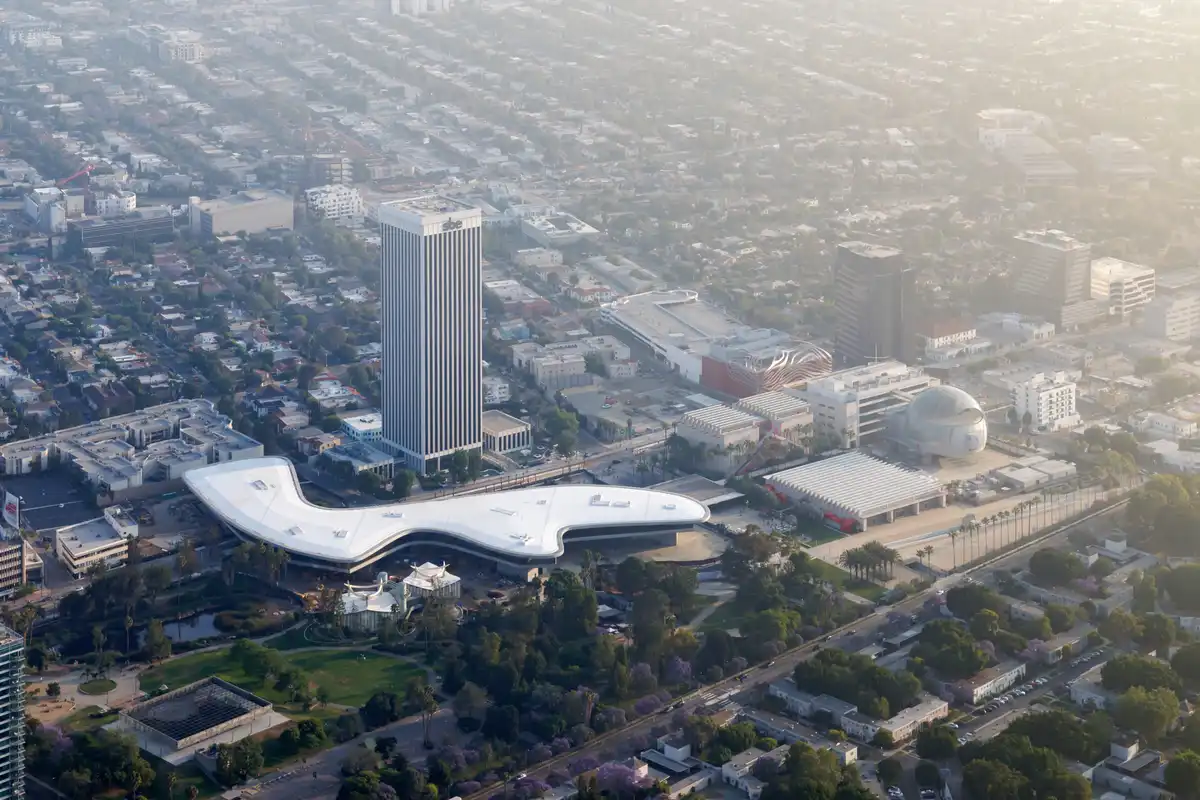
photo © Iwan Baan
440 Mariposa Drive, Ventura
++
American Architecture Designs
Building Articles
Comments / photos for the Downtown Los Angeles relocation to California, USA – moving to CA page welcome.


