Designing Buildings That Can Stand Up to Hurricanes: Architecture Strategies That Work
post updated 13 August 2026
13 August 2025
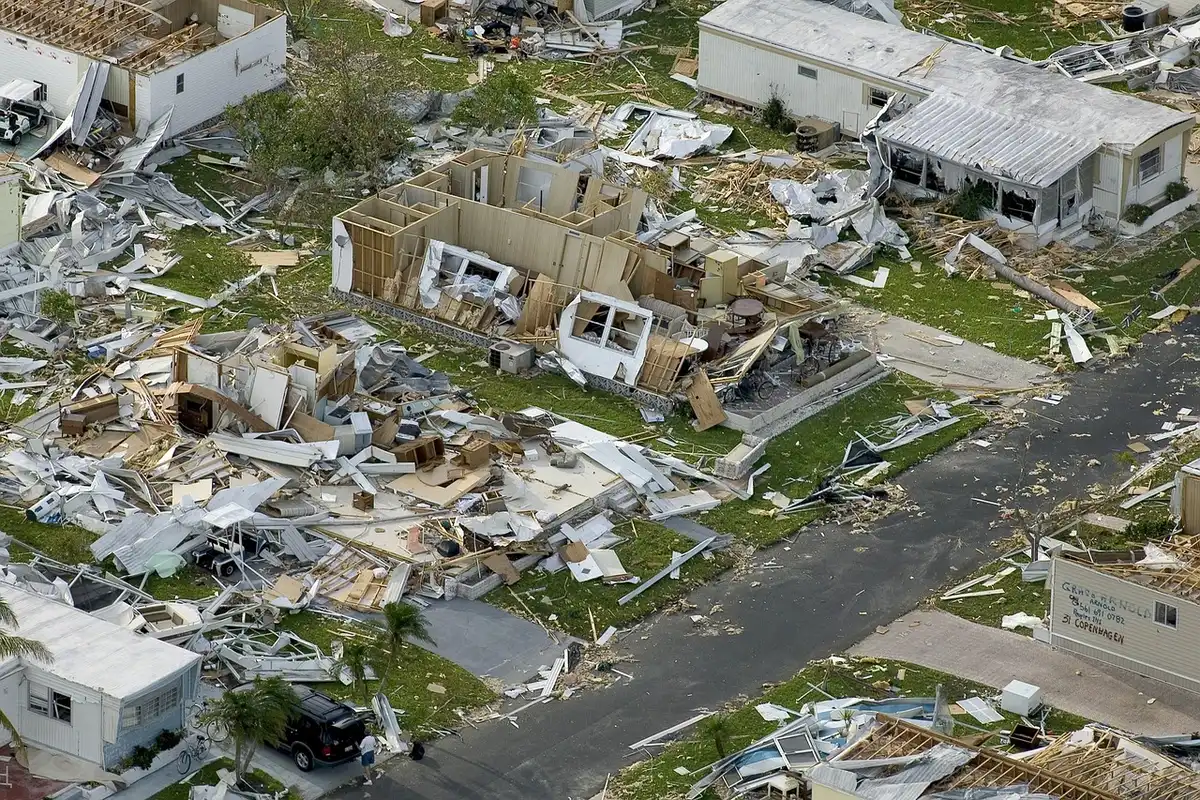
Spend enough time in hurricane country, and you start to see storms differently.
It’s not just the wind howling through the streets or the rain lashing sideways—it’s the way a building either stands firm or gives way.
For architects, that’s the challenge and the calling. We’ve always been problem-solvers, blending beauty with function—optimizing daylight, planning for seismic loads, making spaces that feel as good as they look. But today, the stakes are higher.
The Atlantic hurricane season now averages six to seven named storms a year, yet the real shift isn’t in the number—it’s in the power. Warmer oceans are fueling stronger winds, heavier rainfall, and more destructive surges. What used to be “once in a century” now shows up every decade… sometimes every few years.
So the question isn’t if your design will be tested—it’s when. And the answer lies in building resilience into every stage of the process, from that first concept sketch to the last construction detail.
Site Selection and Orientation
Hurricane resilience doesn’t start with blueprints—it starts with where you put the building in the first place.
If you can, choose a site outside flood zones entirely. It sounds obvious, but too often that step gets skipped because the view is perfect or the land is cheaper. When relocation isn’t realistic, elevating the structure above the base flood elevation can mean the difference between a soggy cleanup and a total rebuild.
Orientation matters too. Turn the smallest face of the building toward prevailing winds so there’s less surface for high-speed gusts to push against. It’s like angling your body against a strong wind—you naturally reduce the force hitting you head-on.
Then, let the landscape do some of the work. Berms and bioswales help slow and redirect stormwater, while deep-rooted native plants keep soil in place and prevent erosion. Done right, these features also invite wildlife back in and improve the microclimate around the building.
In short, smart site planning isn’t just about surviving a storm—it’s about making the environment part of your defense system.
Structural Strategies
When a hurricane hits, it’s not just the wind you see—it’s also the invisible forces at play. Storms bring positive pressure (pushing on one side of the building) and negative suction (pulling from the other). A good structure is built to handle both at once.
- Build with strength in mind: Reinforced concrete frames, cross-braced steel, and shear walls are your best allies against powerful lateral loads.
- Connect every part: A continuous load path—from roof to foundation—ensures that all that energy is safely transferred into the ground instead of tearing the building apart.
- Shape the roof smartly: Moderate slopes and multiple planes reduce the risk of uplift far better than flat roofs or steep pitches.
- Protect the openings: Impact-resistant glass and storm shutters keep flying debris from turning windows into dangerous entry points.
- Add hidden armor: Waterproof membranes, corrosion-resistant connectors, and breakaway walls for ground-level enclosures provide extra layers of defense without ruining the building’s look.
In hurricane zones, every detail matters. The right materials and connections don’t just keep the building standing—they keep the people inside safe.
Community and Funding Considerations
Hurricane-ready design isn’t just about clever engineering—it’s about people. You can draw the strongest plans in the world, but if a family can’t afford to strengthen their home, those plans stay on paper.
A lot of coastal towns are full of older buildings that simply weren’t built for the storms we see now. Retrofitting them takes money that many homeowners don’t have. That’s where we, as architects, can step in—not just with ideas, but with solutions. Sometimes that means helping push for better building codes. Sometimes it’s connecting projects with public–private partnerships or hurricane relief funds that can help cover the cost of upgrades for low-income households.
And when you see organisations like the Red Cross rushing in after a storm—setting up shelters, handing out food, offering medical care—it’s a reminder that our work doesn’t stop at the front door. If we can design schools that double as emergency shelters or community centers that can quickly become distribution hubs, we’re giving those relief teams a head start.
At the end of the day, resilient design isn’t just about buildings surviving—it’s about communities bouncing back faster, together.
Envelope and Detailing
Think of the building envelope as the skin of the structure—it’s the first thing the storm tries to get through. If it fails, everything inside is at risk.
That’s why the basics matter so much: solid, high wind-rated doors and windows with multi-point locks; overhangs and drip edges to throw water clear of the walls; and seals so tight that not even a hairline gap can let water in. Because once moisture finds a way, you’re looking at mold, rot, and a much bigger repair bill.
Material choice plays a big role here, too. Fiber cement, metal panels, and properly installed masonry have all proven they can take a beating in high winds. And if you go the prefabricated route, you get the added bonus of factory-level precision—connections that fit the way they should, every time.
In the end, it’s not just about the materials you pick—it’s about making sure they work together like a well-rehearsed team.
Conclusion
Hurricanes will keep testing what we build—and how we build it. Resilience isn’t a design trend; it’s part of our responsibility. When we plan with care, build with strength, and think about the people inside as much as the structure itself, we create places that protect and endure. That’s the kind of architecture that leaves a community stronger than it was before the storm.
Comments on this guide to Designing buildings that stand up to hurricanes article are welcome.
Custom Home Design
Custom Home Designs
Designing Your Custom Home and Build Plans
How to build your own custom home
Reasons To Consider Custom Home Construction
++
Property Articles
Residential Architecture
Comments / photos for the Designing buildings that stand up to hurricanes help guide page welcome.