
Yielding Spaces: Design Strategies That Pay Off Over Time
post updated 1 September 2026
1 September 2025
Architecture is more than the immediate impression of walls, roofs, and finishes. At its core, it is about shaping environments that provide lasting value. A well-designed space doesn’t simply serve its purpose today. It continues to return benefits—financial, social, and functional—years after it has been built.
In this sense, great architecture is an investment. It offers dividends through durability, efficiency, and adaptability. When spaces are designed with foresight, the payoff grows steadily over time. This is where the concept of “yielding spaces” becomes relevant: spaces that continue to produce value long after the initial construction.
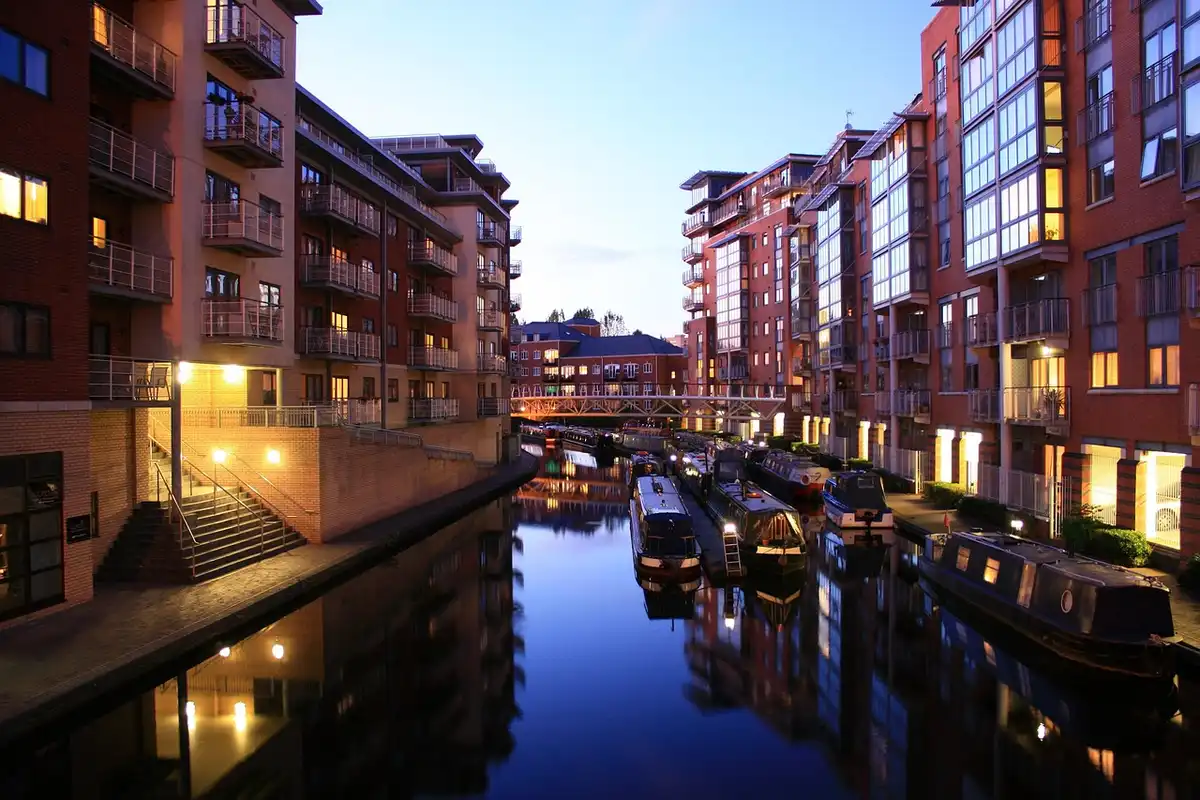
Understanding Long-Term Value in Architecture
Not all spaces are equal in their ability to stand the test of time. Some buildings quickly lose relevance because they lack flexibility or fail to meet evolving needs. Others, however, remain useful for decades because their design accommodates change.
Long-term value in architecture often comes from three qualities: durability, adaptability, and efficiency. Durable materials ensure longevity. Adaptable layouts make room for different uses. Efficient systems lower costs and environmental impacts. Combined, these qualities help a structure keep delivering returns, even as conditions around it change.
Durability: Building with Time in Mind
A yielding space is durable. The choice of materials can either extend or limit a building’s lifespan. Low-quality finishes may look good at first but wear out quickly. High-quality materials may cost more upfront, yet they save money in the long run by reducing the need for frequent repairs.
Durability also relates to timeless design. A style that relies too heavily on short-lived trends risks feeling outdated within a decade. In contrast, architecture grounded in simplicity and function often endures. Think of structures from past centuries that remain admired today. They are not just standing—they are still relevant.
Design as an Investment: The Financial Perspective
Architecture can be viewed much like financial investing. The initial cost of construction is similar to putting capital into an account. Over time, the value of that investment grows—or declines—depending on how wisely it was made.
This is where the concept of yield becomes useful. Just as an investor looks for returns, an owner looks for a space that keeps producing benefits. When framed this way, a building isn’t just a cost—it’s an asset with the potential to generate ongoing returns.
For example, financial tools such as interest or annual percentage yield (APY) measure the compounding benefits of money invested over time. Similarly, design choices in architecture compound benefits across years. Whether through energy savings, rental income, or reduced maintenance, the returns add up. When people try to calculate APY, they are essentially looking at how small increments accumulate into substantial long-term results. The same principle applies to thoughtful design: small, smart choices lead to lasting gains.
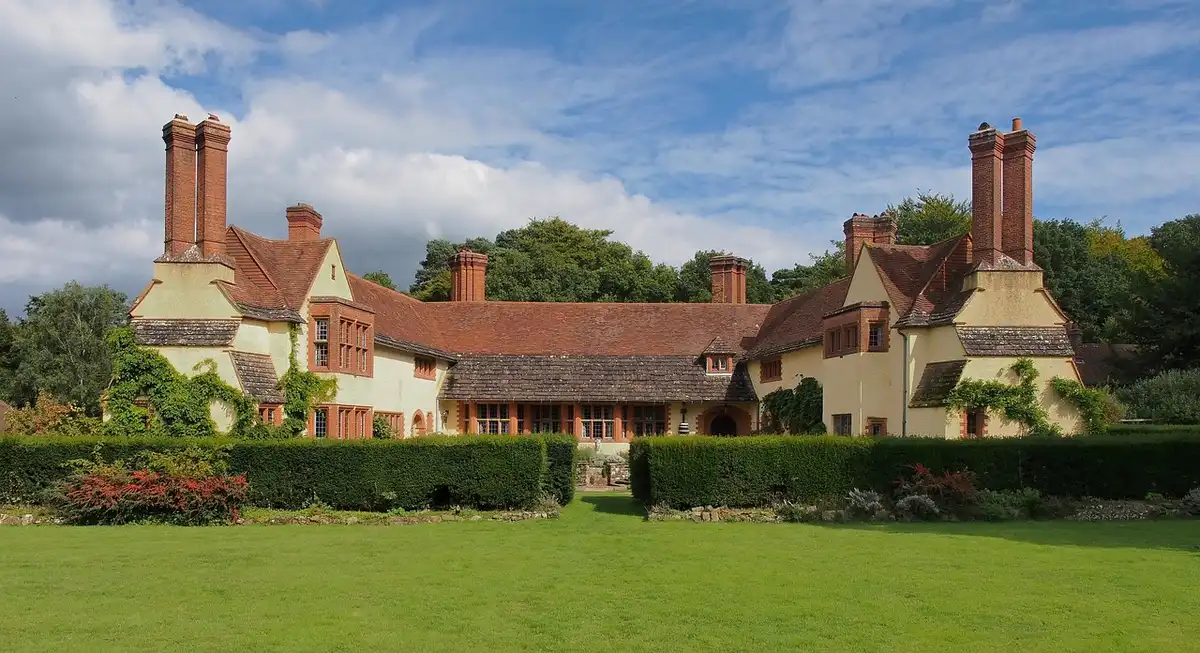
Adaptability: Spaces That Evolve with Needs
Adaptability is another core strategy for creating yielding spaces. Buildings that cannot adjust to new requirements often face costly renovations or even demolition. In contrast, adaptable spaces support multiple uses with minimal changes.
An office building designed with flexible floor plans, for instance, can transition between open work areas and private rooms as needed. A residential building with convertible layouts can serve both young families and older residents. This adaptability extends a building’s usefulness, ensuring it pays off well into the future.
Efficiency: Reducing Costs and Impact
Efficiency is one of the most direct ways to create lasting value. Energy-efficient systems, sustainable materials, and smart technologies reduce operational costs while lessening environmental impact.
For property owners, efficiency translates into financial savings. For communities, it means reduced energy demand and a lower carbon footprint. In both cases, efficient spaces create measurable long-term value. Over time, the upfront investment in efficient design pays itself back, often many times over.
Social and Community Value
Yielding spaces are not only financially valuable—they also generate social returns. A public library, a park, or a community center provides ongoing value to the people who use it. These structures enrich daily life, promote social interaction, and foster a sense of belonging.
The long-term payoff here is harder to measure but no less real. Spaces that encourage community connections can reduce social isolation, support mental well-being, and strengthen neighborhoods. These are enduring forms of value that, while less tangible than money saved on electricity, shape societies for the better.
Case Studies of Yielding Spaces
While the principles are clear, real-world examples help illustrate them. Many modern buildings integrate adaptability, durability, and efficiency to maximize long-term payoffs.
- Educational buildings: Schools and universities often design spaces that can shift between classrooms, laboratories, and communal spaces. This adaptability ensures the buildings remain useful even as teaching styles evolve.
- Sustainable housing: Energy-efficient homes with solar panels, rainwater harvesting, and insulation demonstrate how efficiency directly lowers costs and provides environmental benefits.
- Cultural centers: Many cultural venues are designed with flexible stages, modular seating, and open areas that can host different types of events. These spaces stay relevant by supporting varied community needs.
Each of these examples demonstrates a design that yields ongoing benefits. They serve as practical evidence of how good design strategies deliver enduring value.
The Role of Technology in Yielding Spaces
Modern technology is accelerating the concept of yielding spaces. Smart systems allow buildings to monitor energy use, adjust lighting, and optimize climate control. These systems not only improve efficiency but also extend a building’s relevance.
Digital tools also enhance adaptability. Moveable walls, modular furniture, and dynamic layouts are now easier to implement. These innovations make it possible for spaces to adjust almost instantly to new demands. In this way, technology magnifies the long-term benefits of thoughtful design.
Challenges to Creating Yielding Spaces
Of course, designing for long-term payoffs is not without challenges. Budget constraints, short-term thinking, and lack of foresight often push decision-makers toward immediate cost savings rather than future returns.
In addition, predicting future needs is not always easy. Rapid technological shifts or cultural changes can alter how spaces are used. Architects and planners must balance durability with flexibility, ensuring that buildings are robust yet adaptable enough to handle unexpected changes.
Conclusion
The best architecture is not just about what works today—it’s about what will keep working tomorrow, next year, and decades later. Yielding spaces are those designed to provide lasting returns, much like a wise financial investment.
Through durability, adaptability, and efficiency, spaces continue to pay off long after construction. They generate financial savings, social value, and environmental benefits. The payoff may not always be immediate, but the long-term rewards are undeniable.
By treating design as an investment in the future, architects and clients alike can ensure that the spaces we build today will continue to yield value for generations.
Comments on this guide to Design strategies that pay off over time, Yielding spaces architecture article are welcome.
Building Design
Building posts
Biophilic lobbies improve indoor air quality
Buying a house in the UK mistakes to avoid
Secure file sharing architectural collaboration
++
Buildings
New Architecture Design
Comments / photos for the Design strategies that pay off over time, Yielding spaces architecture page welcome.


