Designing for Heat: Caring for the Cooling Systems That Keep Desert Homes Livable
20 August 2026
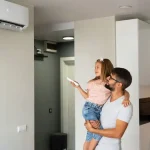
A home in the desert is a piece of climate-responsive design whether or not anyone planned it that way. From the orientation of the windows to the depth of the eaves, every choice either works with the sun or fights it. Yet even the most thoughtfully designed house in Phoenix, Las Vegas, or the Coachella Valley leans on one mechanical system more than any other: air conditioning. When that system fails in July, a comfortable interior can climb toward ninety degrees within hours, and what was a well-planned residence briefly becomes uninhabitable.

For homeowners and property investors alike, cooling is not a luxury add-on. It is core building infrastructure, and like any structural or mechanical element of a house, it rewards planned care and punishes neglect. The question is not whether to maintain it, but how often, and what a proper service actually involves in a climate this demanding.
How the Desert Shapes a Home and Its Systems
Desert architecture has always been a negotiation with extremes. Thick walls, shaded courtyards, light exterior colors, and deep overhangs are strategies as old as the region’s earliest dwellings, all aimed at keeping heat out and comfort in. Modern residences layer mechanical cooling on top of those passive ideas, and the two are meant to work together. Good design reduces the load; the equipment handles the rest.
The trouble is that in a desert climate the mechanical half of that partnership works far harder than it would almost anywhere else. Outdoor temperatures routinely push past 110 degrees, and an air conditioner has to reject heat into air that is already blistering. The system runs longer, cycles harder, and operates with less margin for error across a cooling season that can stretch from spring well into autumn.
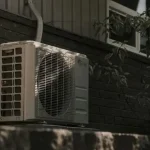
Then there is dust, the desert’s constant architectural companion. Fine grit settles on condenser coils, fans, filters, and electrical components. Monsoon storms, haboobs, and windblown debris coat the outdoor unit and force it to work harder still. Dirty coils and restricted airflow quietly erode cooling performance and drive energy bills upward, which matters both for daily comfort and for the long-term operating cost of the property.
A Maintenance Rhythm That Fits Desert Living
For most desert homes, the sensible baseline is one professional service each year, ideally scheduled between late winter and spring before the first serious heat wave arrives. That appointment gives a technician time to catch a weak capacitor, a fouled coil, or a refrigerant issue while the house can still afford a slow diagnosis rather than an emergency repair.
Homes that run their cooling systems hardest benefit from two visits a year. A spring service prepares the unit for the season ahead; a late-summer or autumn check assesses the wear left behind by months of near-constant operation. An October coil cleaning after monsoon season, for example, is a small, sensible act of building care.
Two visits a year make particular sense for a property with any of the following characteristics:
- An older air conditioner, a rental unit, or more than one system serving the home.
- Pets, allergy concerns, nearby construction, or frequent dust storms.
- A residence where the cooling runs most of the day from May through September.
The manufacturer’s guidance, the age of the system, and the judgment of a licensed HVAC professional should set the final schedule. Homeowners in the Coachella Valley can plan around the same spring-first rhythm and lean on local HVAC Coachella specialists who understand how the region’s heat and grit affect residential equipment.

What a Proper Service Should Cover
It is easy to be distracted by marketing that promises a “20-point” or “25-point” inspection. The number matters far less than the work behind it. A genuine service of a home’s cooling system should include, at minimum:
- Cleaning the outdoor condenser coil and clearing debris from around the unit.
- Checking refrigerant pressure, electrical connections, capacitors, and contactors.
- Inspecting the evaporator coil, blower components, thermostat, and air filter.
- Flushing the condensate drain and checking for drainage problems.
- Measuring airflow and running the system through a full performance test.
Ask for a written record of the work completed and any recommended repairs, the same paper trail a diligent owner keeps for a roof or a boiler. Industry maintenance guidance, such as Carrier’s advice on AC upkeep, points to filter changes, coil care, and professional inspection as the core of keeping a system healthy. A unit can still blow cold air while a worn electrical part sits on the edge of failure, which is exactly why waiting for a breakdown is a poor plan for any home.
Reading the Warning Signs in Your Home
Scheduled maintenance is the foundation, but a house tends to announce trouble between appointments. Weak airflow, rooms that stay warm, loud rattling, short cycling, musty smells, ice forming on refrigerant lines, or a unit that never seems to shut off all warrant a call. Water pooling around the indoor air handler is another clear signal, as is an electricity bill that jumps without explanation.
Some symptoms call for caution rather than a wait-and-see approach. If you notice a burning smell, damaged wiring, or a significant water leak, switch the system off and contact a qualified technician before running it again. Protecting the equipment protects the surrounding building fabric, too.
Filters, Air Quality, and Everyday Comfort
Filter care happens on a much shorter cycle than professional maintenance, and in a desert home it directly shapes indoor comfort and air quality. A standard one-inch filter may need replacing every thirty days through the June-to-September peak in a dusty household, and every thirty to sixty days in milder months. Thicker four- or five-inch media filters can last around six months, though the manufacturer’s guidance and a regular visual check should always have the final word.
Pets, allergies, construction dust, and constant cooling all shorten that timeline. ENERGY STAR’s maintenance checklist recommends inspecting, cleaning, or changing central AC filters monthly for good reason: a clogged filter restricts airflow and forces the whole system to work harder to move cool air through the house, raising both wear and running costs.
Protecting the Investment
Cooling maintenance is ultimately a question of protecting a property. A single professional service generally runs somewhere between roughly seventy-five and two hundred dollars, with regional variation: advertised visits sit near the lower end in some markets and higher in others such as coastal California. Two-visit annual plans commonly land in the range of a few hundred dollars for a single system, more where premium coverage or multiple units are involved.
Before committing to any plan, it is worth confirming what the price includes, whether coil cleaning, refrigerant testing, diagnostic fees, and both seasonal visits are all covered, since repairs are usually billed separately. Set against the cost of an emergency failure in peak summer, or the drag that an inefficient system places on a home’s resale appeal, planned maintenance reads less like an expense and more like stewardship of the building.
A well-designed desert home is meant to keep its occupants comfortable through the harshest months of the year. Keeping its cooling system in good order is simply how that design intent is honored, season after season, and how a property holds both its comfort and its value over time.
Comments on this guide to Cooling systems care to keep desert homes livable article are welcome.
Property HVAC – Air Conditioners
Air Conditioners Posts
Why Rely On Professionals For Air Conditioning, Heating, HVAC
HVAC Systems in Modern Architecture
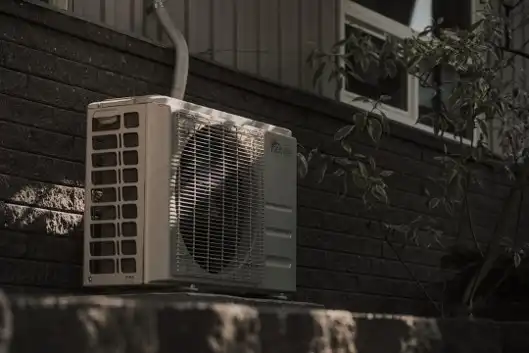
Photo by Everett Pachmann on Unsplash
++
Buildings
Residential Architecture Articles
Comments / photos for the Cooling systems care to keep desert homes livable – building temperature control page welcome.