Contemporary Lighting Design Precision Guide
19 January 2026
The Growing Importance of Precision in Contemporary Lighting Design
The primary purpose of artificial lighting is to illuminate a space. But this isn’t the sole criterion by which a lighting solution might be judged. Concerns around energy efficiency, aesthetics, and visual comfort might also play a role. In many cases, devising the right lighting solution might be a practical necessity.
Why Precision Matters in Today’s Lighting Landscape
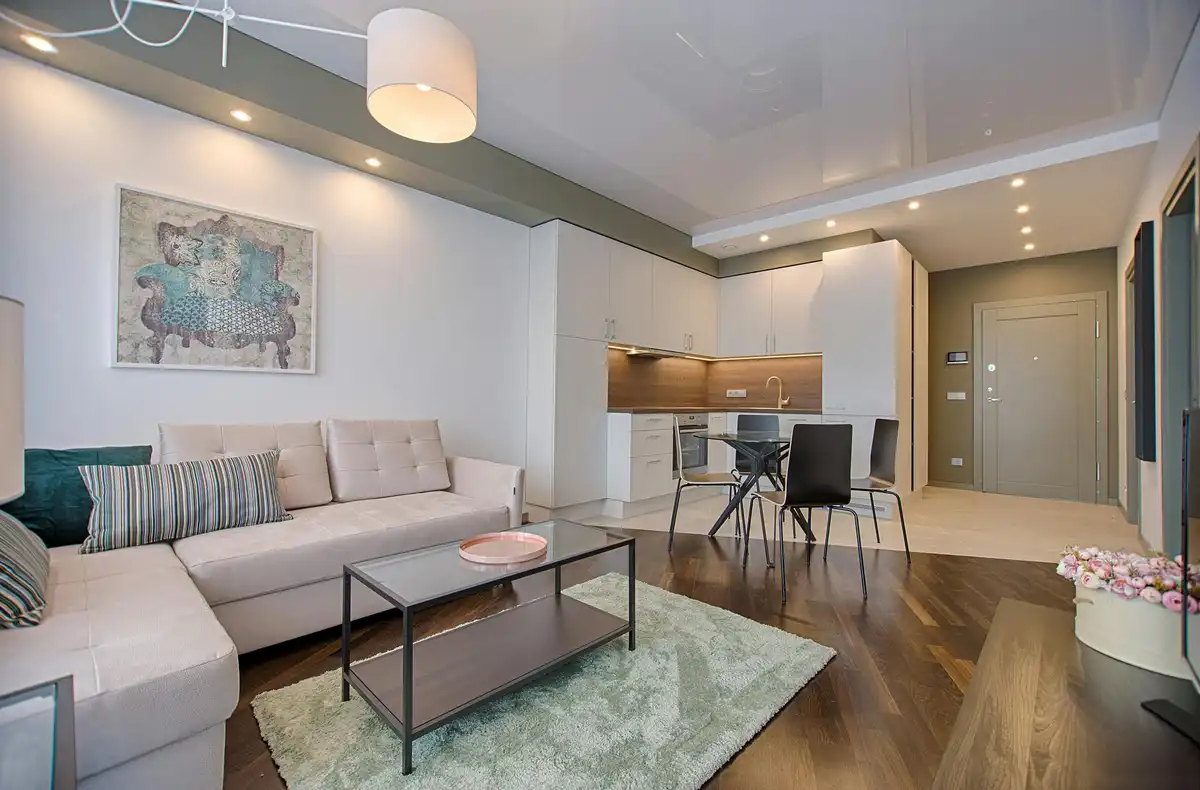
Traditional halogen-based bulbs have largely been supplanted by LED-based alternatives. This has led to massive efficiency gains. But it also means that we have several different means of adjusting the brightness, colour and lifespan of the bulbs in question.
The ubiquity of LED technology has helped to raise expectations when it comes to precision. The hue and brightness of a given light can now be dialled in very precisely – and thus the people who use a space might expect an extra degree of control.
If workers in an office space begin to complain that the ambient light is so bright that they’re suffering from headaches, or that it’s too dim to actually see what they’re doing, then the ability to make quick tweaks might be welcome. In many cases, those same workers might appreciate the ability to make changes according to the time of day or the workers who might be present in the building.
Technology and Tools That Support Accurate Lighting Design
The way that a given lighting solution is designed and configured can vary wildly. Often, however, a combination of simple drivers and control units might be used to achieve a variety of outcomes. The size and brightness of a given display might necessitate large DC power supplies for many home solutions, a five-volt supply supplying several amps might be warranted.
Before installing a solution, you’ll want to make sure that you understand the specifications. Read them thoroughly, rather than making an assumption.
Ensuring Precision on Site During Installation and Commissioning
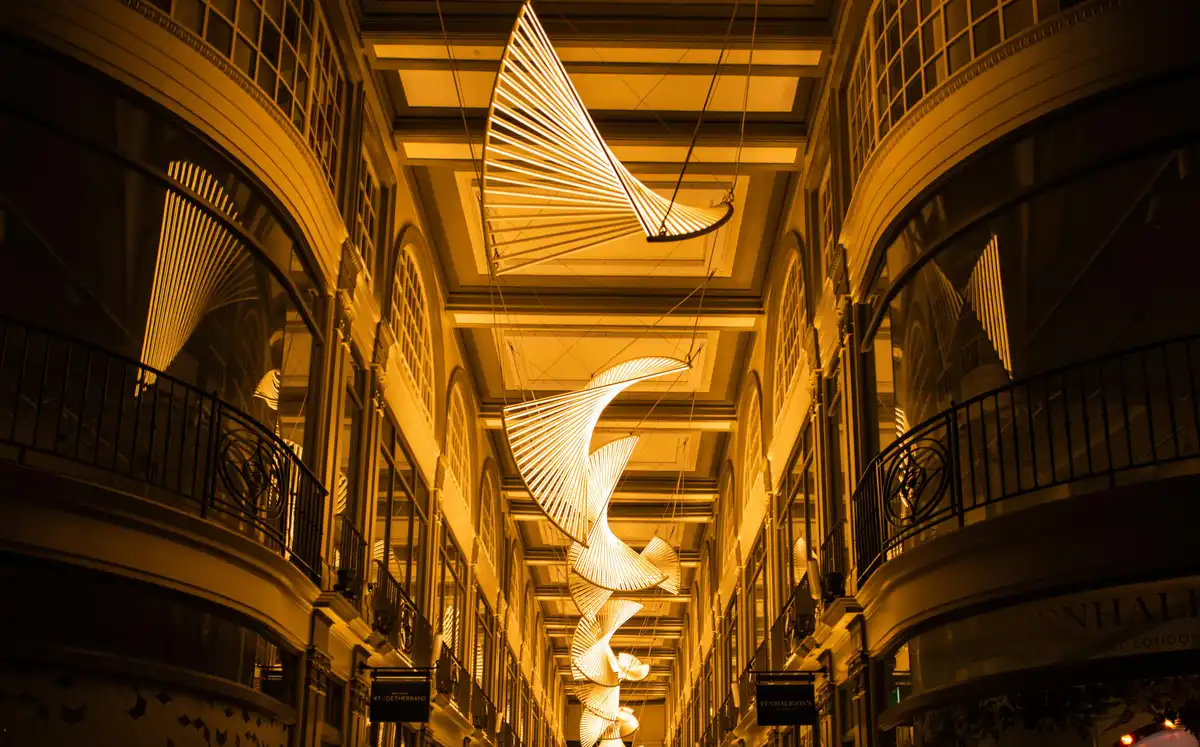
Lighting solutions are often tested under laboratory conditions. While we can approximate many of the rough edges of a real-world installation, it’s always a good idea to enlist an expert to ensure that the installation itself is sound. This might mean ensuring that the supply is outputting the right level of power and that the end result accords with the vision of the architect.
In practice, getting the right lighting solution installed means allowing several different kinds of professionals to collaborate with one another – including engineers, electricians, and designers. In larger displays that are expected to be prominent in commercial settings, this might mean an extensive process. In simpler settings, you might prefer to get things done quickly – but it might still be advisable to inspect the lighting before approving the result.
Of course, the effort that you put in at this stage can often help to lower the cost of the lighting solution in the long term. By ensuring that the power supply is stable and reliable, you’ll improve efficiency and reduce the likelihood of costly failures later on.
Comments on this guide to Contemporary lighting design precision article are welcome.
Lighting Articles
Lighting Posts
Getting your home filled with light
How Lighting Influences Mood and Productivity
How to Use Lighting, Space and Material in Architectural Design
++
Building Articles
Residential Architecture
Comments / photos for the Contemporary lighting design precision page welcome