
The rug as a functional layer in today’s flexible living spaces
22 November 2025
In recent years, interior design has begun to embrace a new paradigm: spaces that shift purpose several times throughout the day. Homes turning into offices, co-working areas evolving into social hubs, living rooms accommodating work, study and downtime, all within the same footprint.
Flexibility has become a genuine design necessity, and in this context the textile surface assumes a role very different from the one traditionally assigned to rugs. It is no longer a decorative accessory but a functional layer that supports the ongoing transformation of the space.
Minimalist architecture, the reduction of physical clutter and the growing preference for open layouts have accelerated this shift. Without walls or built volumes separating functions, interiors need subtle tools that can define use scenarios without introducing visual barriers. The rug, understood as a surface that interacts directly with the body and with spatial perception, is one of the most effective.
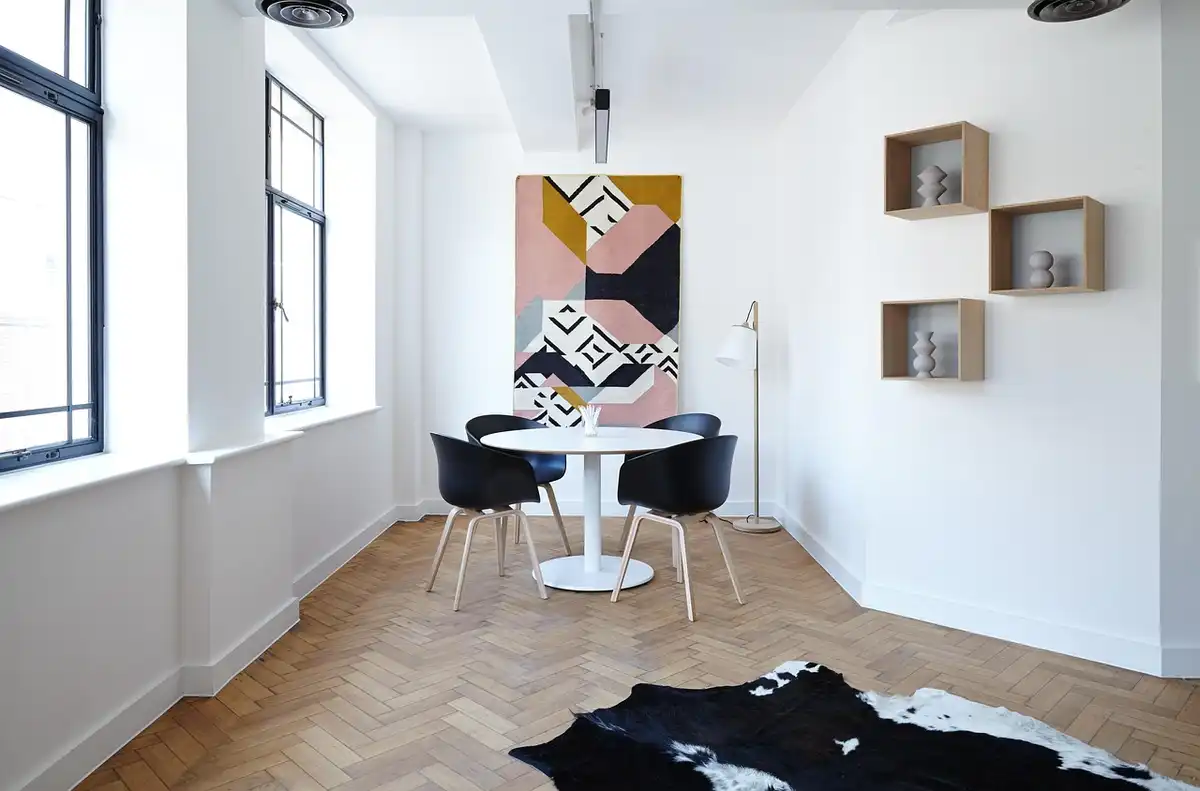
How interiors change when space becomes flexible
Contemporary open spaces require a visual code that helps people read and interpret the environment. Flexibility, however, must not result in confusion, and this is where the rug becomes essential.
Unlike vertical elements, it does not restrict movement, occupy volume or interrupt the continuity of the space. Yet its presence is immediately perceived. In a fluid environment, a textile surface outlines a functional zone without explicitly declaring it. People instinctively understand where to stop, sit, focus or simply move on. This ability to suggest a function without defining it overtly makes the rug a remarkably relevant design tool.
The Rug as an extension of the layout
When a room needs to shift purpose over the course of a day, movable furniture or multifunctional pieces are not enough. A perceptual cue is necessary, one that clarifies where and how an activity takes place.
Here, the rug becomes the surface that can mark a work area during the day and host a completely different activity in the evening, without requiring any architectural change.
A rug with well-calibrated dimensions creates a functional island, a micro-environment that overlaps the larger space and interprets it.
This effect is amplified by contemporary textile design, particularly within the world of contemporary design rugs. In this context, the rug becomes a form of micro-architecture: it not only defines a function but integrates with the material palette, interacts with light and contributes to overall compositional balance.
Materials, texture and depth
Spatial flexibility is influenced not only by geometry but also by the quality of the surfaces that shape the interior.
From a minimalist perspective, the rug works through subtle variations: density, weave, temperature, sound absorption. Each characteristic affects how people behave within the space.
A softer fiber invites longer stays; a more compact texture supports work-related activities.
In co-working spaces, plush rugs can delineate informal areas, while firmer, tighter textures highlight zones devoted to focus and productivity.
In domestic interiors, a slightly thicker rug can carve out a reading corner, while a low-profile piece can define a workout zone or a transitional area without overwhelming the room.
Surface quality also affects acoustics: a rug reduces reverberation, softens sound and makes busy environments more comfortable. In flexible interiors, where several functions coexist—the acoustic component is an integral part of comfort.
Rugs and flexible interiors: trends for 2026
2026 is emerging as the year in which flexibility becomes fully embedded in interior design, not as an exception but as an expected standard. Studios are working on spaces that must adapt to increasingly varied rhythms, and rugs are becoming one of the key tools in this evolution.
The most significant shift concerns the rug as an active surface: not simply something that completes the décor, but an element that triggers immediate functional changes, almost an intuitive signal for those inhabiting the space.
Current trends show a rise in modular surfaces designed to be moved or combined easily, along with materials that respond differently to light throughout the day, supporting both focus and relaxation without altering the layout.
Rugs with graduated textures are also gaining ground, helping users transition naturally between operational and informal zones without creating harsh boundaries.
In homes, co-working environments and hospitality spaces, the focus is now on rugs that support everyday micro-scenarios: work corners that disappear in the evening, living rooms turning into social spaces, circulation zones acquiring new roles when needed.
Comments on this guide to Contemporary design rugs article are welcome.
Rugs
Rugs Posts
Washable runner and children’s playroom rugs for home
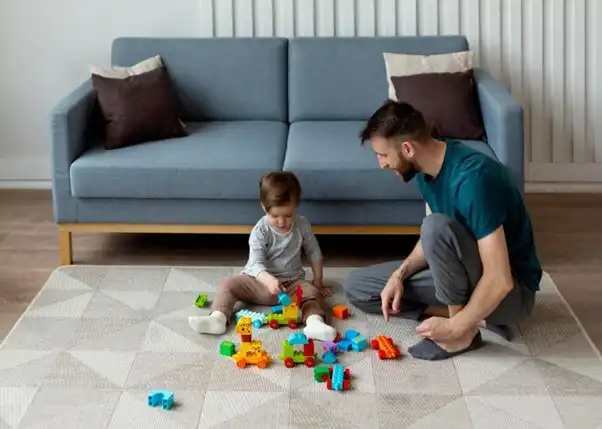
Why area rugs are essential for home design
How To Decorate Your Home With Rugs
++
Building Articles
Residential Architecture
Comments / photos for the The rug as a functional layer in today’s flexible living spaces advice guide page welcome.


