Considerations for a Successful AC Installation
30 January 2026
Installing an air conditioning system requires careful planning to ensure that your home stays comfortable without wasting energy. Successful AC installation involves several key factors, such as choosing the right size unit, considering energy efficiency, and understanding the various types of air conditioners available. Additionally, working with professional installers ensures the system runs optimally and lasts longer. In this guide, we’ll explore these important considerations to help you make the best choice for your home’s cooling needs.
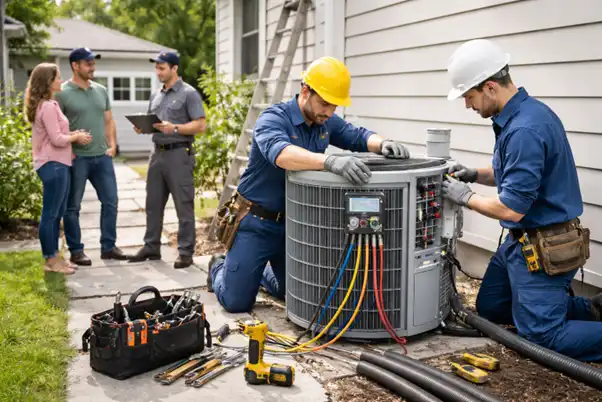
Choosing the Right Size Air Conditioner for Your Space
Choosing the correct size air conditioner for your space is crucial for both efficiency and comfort. An undersized AC unit will struggle to cool your home, resulting in increased energy usage and wear on the system. On the other hand, an oversized unit will cool the space too quickly, leading to energy wastage and uneven temperature distribution. A professional AC installation service can help you determine the right size based on your home’s square footage, insulation, and cooling needs.
To avoid sizing issues, it’s important to perform a load calculation that takes into account factors such as room dimensions, ceiling height, and the number of windows. These calculations ensure that your system is neither too small nor too large, maximizing energy efficiency and performance. If you’re unsure about the sizing, don’t hesitate to consult with a qualified professional during your AC Installation.
By selecting the correct size air conditioner, you’ll enjoy consistent comfort and lower energy bills, as your unit will work efficiently without overworking. Be sure to ask for an expert’s input to ensure proper sizing during the AC installation process.
The Importance of Energy Efficiency in AC Systems
Energy efficiency is one of the most critical aspects to consider when selecting an air conditioning system. Efficient systems consume less power, leading to lower utility bills and a reduced environmental impact. When shopping for an AC unit, look for models with a high SEER (Seasonal Energy Efficiency Ratio) rating. The higher the SEER, the more energy-efficient the unit will be. Efficient systems also tend to have longer lifespans, reducing the need for frequent repairs or replacements.
Energy-efficient systems utilize advanced technology, such as variable-speed compressors, which help maintain consistent cooling while using less energy. These features not only improve your comfort but also make your home more sustainable. During the AC installation process, ensure that the system you choose aligns with your efficiency goals to maximize savings.
Opting for an energy-efficient air conditioner means investing in long-term savings, lower operating costs, and a more environmentally friendly cooling solution. Be sure to ask your AC installation professional for guidance on selecting the most energy-efficient model that fits your space and budget.
Understanding Different Types of Air Conditioning Units
There are several types of air conditioning systems available, and understanding the differences between them can help you choose the best option for your home. The most common types of air conditioning systems include central AC systems, ductless mini-split systems, and window units. Each type offers its own set of advantages, depending on your home’s layout, cooling needs, and budget.
| Type of AC | Description |
| Central Air Conditioning | Ideal for cooling entire homes, using ductwork to distribute cool air throughout all rooms. |
| Ductless Mini-Split | Perfect for homes without existing ductwork, providing zoned cooling for individual rooms. |
| Window Units | Compact and affordable solutions for cooling single rooms, easy to install and move around. |
Why Professional Installation is Crucial
Professional installation is essential to ensure your air conditioning system is installed correctly and performs optimally. Proper installation can prevent common issues such as refrigerant leaks, poor airflow, and inefficient operation. HVAC professionals have the experience and training to correctly install your unit, making sure it runs smoothly from day one.
When you invest in professional AC installation, you’re also ensuring that your system complies with local codes and manufacturer guidelines. A properly installed system not only performs better but also reduces the risk of costly repairs down the road. Trusting professionals with the job ensures that the system is set up correctly and will operate at peak performance for years to come.
The Role of Ductwork in AC Installation
Ductwork plays a vital role in the performance of your air conditioning system. Well-designed and properly sealed ducts ensure that cool air is distributed efficiently throughout your home, while poorly maintained ducts can lead to air leaks, reduced airflow, and uneven cooling. During installation, professionals will ensure that the ductwork is correctly sized, sealed, and insulated to prevent energy loss and ensure maximum cooling efficiency.
How to Ensure Proper Airflow During Installation
Proper airflow is essential for the efficiency of your air conditioning system. During installation, the technician will ensure that the air ducts are sized appropriately and free of obstructions, which can limit airflow and reduce the system’s effectiveness. A well-optimized system will provide consistent cooling without forcing the AC unit to work harder than necessary.
Additionally, the positioning of the AC unit is crucial for proper airflow. The system should be placed in an open area where it has plenty of space to circulate air freely. Avoid placing the unit near furniture or walls that could obstruct airflow, as this can cause the system to work inefficiently and increase energy costs over time.
Preparing Your Home for AC Installation
Proper preparation of your home is key to a smooth and efficient AC installation process. Before the technician arrives, ensure the installation area is clear of furniture and other obstacles, especially if you’re installing a central AC system or mini-split. Having a clear and accessible installation site allows the professionals to work quickly and efficiently, minimizing the time required to install the system.
Also, ensure that the electrical panel is easily accessible, as the AC unit may need to be connected to it. For central systems, make sure that there is proper access to the attic or crawl space for ductwork installation, and check that the outdoor unit has enough space for adequate airflow and easy maintenance access.
Cost Factors in AC Installation
The cost of AC installation varies depending on several factors, such as the type of system, the size of your home, and the complexity of the installation. On average, central AC systems tend to be more expensive than window or ductless units, due to the larger scale of the installation. Additional costs may include electrical work, ductwork modifications, and permits if required by local regulations.
- System Type: Central AC systems are more expensive than smaller, portable units.
- Size of Home: Larger homes require more powerful units and more extensive installation.
- Installation Complexity: Ductwork and electrical modifications can increase costs.
- Permits: Some areas require permits for AC installation, adding to the overall cost.
How to Find the Best AC Installation Service Near You
Finding the best AC installation service near you requires a bit of research. Start by asking for recommendations from friends, family, or neighbors who have recently had an AC installed. Word-of-mouth referrals can help you find trusted professionals with a history of quality work.
Also, check online reviews on platforms like Google and Yelp. Look for companies with a strong reputation for professionalism, reliability, and customer satisfaction. Reviews can provide insight into the company’s work ethic, pricing transparency, and post-installation service.
Finally, make sure the company you choose is licensed, insured, and offers warranties for both the system and the installation. This ensures that you are protected in case any issues arise after the installation is complete.
What to Expect During the AC Installation Process
During the AC installation process, the technician will first assess your home’s cooling needs and discuss the best options with you. They will then proceed to install the air conditioning system, which may involve setting up the indoor and outdoor units, connecting the necessary ductwork and electrical components, and ensuring the system is properly calibrated for optimal performance.
Once the installation is complete, the technician will test the system to ensure that it’s functioning correctly and provide instructions on how to use the thermostat. They will also explain maintenance tips and offer guidance on how to extend the lifespan of your AC unit.
Comments on this guide to Key Considerations for a Successful AC Installation article are welcome.
HVAC – Air Conditioners
Air Conditioners Posts
Why Rely On Professionals For Air Conditioning, Heating, HVAC
HVAC Systems in Modern Architecture
5 great advice from top rated HVAC contractor
Buildings
Residential Architecture Articles
Comments / photos for the Key Considerations for a Successful AC Installation – Buildings temperature control page welcome.