Choose the Right Stainless Steel Perforated Sheet for Your Project
post updated 19 September 2026
19 September 2025
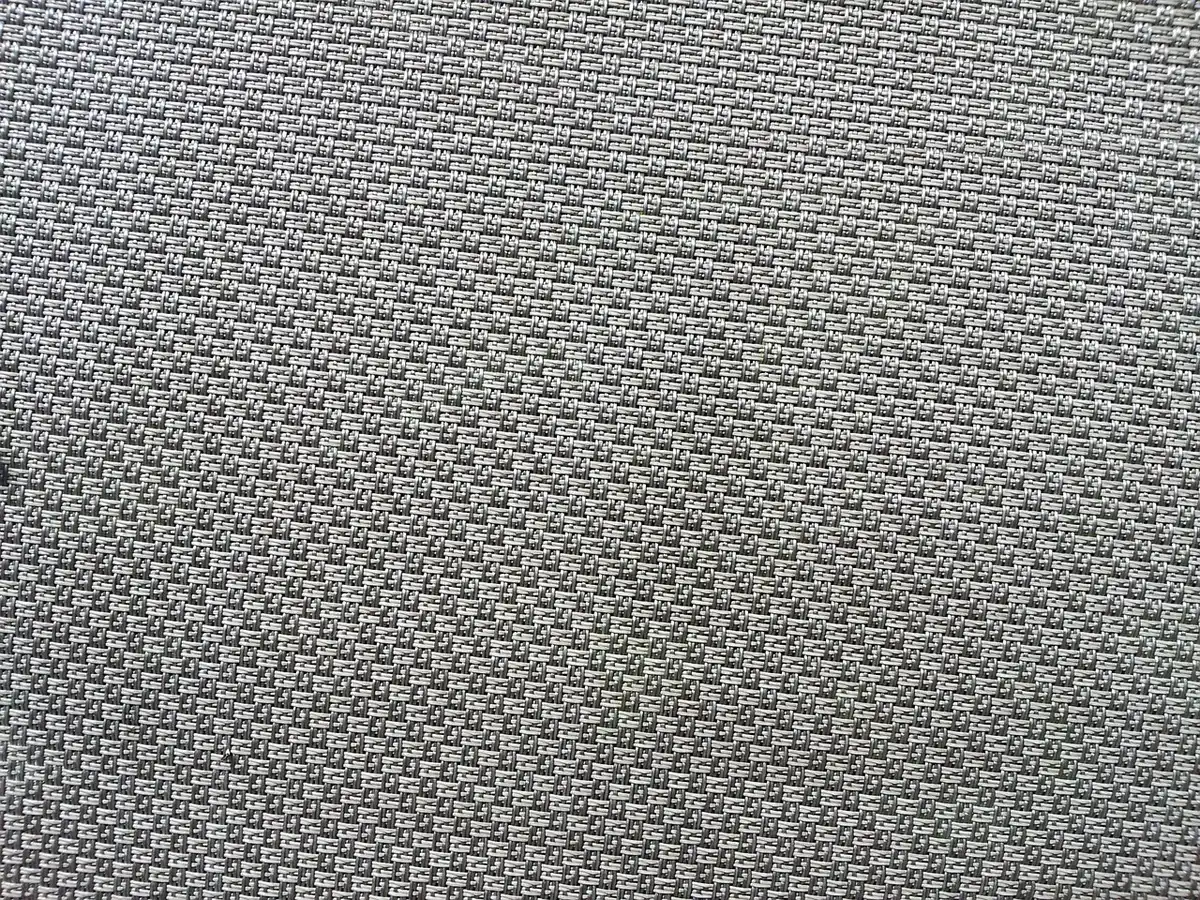
When selecting materials for architecture, industrial equipment, or even modern kitchenware, stainless steel perforated sheet is one of the most versatile options available. Combining durability with design flexibility, perforated stainless steel sheet is widely used in facades, filtration systems, acoustic panels, and ventilation covers. But choosing the right sheet requires more than just picking a pattern—it involves understanding material grades, hole configurations, finishes, and the specific requirements of your project.
This guide breaks down the essentials so manufacturers, architects, and procurement teams—particularly in the USA—can make informed decisions when sourcing architectural metal panels and perforated stainless solutions.
Why Stainless Steel Perforated Sheet Matters
Perforated stainless steel sheets offer a rare balance of strength, corrosion resistance, and design adaptability. They allow for airflow and light transmission while maintaining structural integrity. Unlike alternatives such as aluminum or mild steel, stainless steel resists rust, delivers a long service life, and requires minimal maintenance—making it ideal for industries where durability and hygiene are paramount.
Key Factors to Consider When Choosing Stainless Steel Perforated Sheet
- Material Grade
The choice of stainless steel grade determines the sheet’s performance in different environments.
- 304 Stainless Steel – The most common and cost-effective choice. Suitable for indoor architectural metal panels, furniture, and general decorative applications.
- 316 Stainless Steel – Offers higher corrosion resistance due to added molybdenum. Best for outdoor projects, marine environments, and chemical processing.
- 430 Stainless Steel – Magnetic and more economical. Works well in applications with lower corrosion exposure, such as kitchen backsplashes and appliance components.
Tip: Always match the grade with your project’s environment—use 316 for coastal climates or high-moisture areas.
- Hole Patterns and Sizes
The hole configuration not only affects the look of the sheet but also its functionality.
- Round Holes – The most popular pattern, offering good strength and versatility for screens, guards, and facades.
- Square Holes – Provide higher open area percentages, useful for ventilation and filtration systems.
- Slotted Holes – Allow directional airflow and are often used in noise control and speaker grilles.
- Custom Patterns – Increasingly requested for branding and architectural projects where aesthetics play a major role.
When specifying, consider the open area percentage—the ratio of holes to solid material—which impacts airflow, sound absorption, and light diffusion.
- Thickness and Strength
Stainless steel perforated sheets come in various gauges. Thicker sheets provide greater strength but may limit flexibility in bending or forming. For architectural cladding, lighter gauges may be sufficient, whereas industrial applications like heavy-duty screens require more robust thicknesses.
- Finish and Aesthetics
The surface finish can influence both performance and visual appeal:
- Mill Finish – Standard as-supplied surface.
- Brushed / Satin Finish – Reduces glare and fingerprints, widely used in architectural metal panels.
- Mirror Finish – High-reflectivity, ideal for decorative installations and retail interiors.
A polished finish not only elevates appearance but also improves corrosion resistance by reducing surface roughness.
- Application-Specific Considerations
Industrial Applications
- Filtration and Screening – Food processing, water treatment, and chemical plants rely on perforated sheets for controlled separation.
- Noise Control – Perforated sheets in combination with acoustic backing materials help reduce industrial noise levels.
- Machine Guards – Provide protection while allowing visibility of moving components.
Architectural and Design Uses
- Facades and Cladding – Create striking building exteriors that combine aesthetics with durability.
- Interior Design – Used in partitions, ceilings, and furniture to deliver modern, lightweight structures.
- Lighting Features – Allow creative interplay of light and shadow in retail and hospitality projects.
Kitchenware and Appliances
- Ventilation Covers – Durable and hygienic for commercial kitchens.
- Strainers and Filters – Maintain sanitary standards while offering strength under repeated use.
Common Mistakes to Avoid When Selecting Perforated Stainless Steel Sheets
- Overlooking Environmental Factors – Choosing 304 instead of 316 for coastal projects often leads to premature corrosion.
- Ignoring Fabrication Requirements – Some hole patterns or sheet thicknesses may be difficult to laser cut, bend, or weld.
- Skipping Surface Protection – Without proper packaging, polished finishes may scratch during transport, compromising appearance.
How to Verify Sheet Quality Before Purchase
To ensure that a stainless steel perforated sheet meets your specifications:
- Check Certifications – Request Mill Test Reports (MTRs) confirming chemical composition and grade.
- Inspect Finish Quality – Verify surface uniformity and absence of scratches, dents, or sharp burrs.
- Measure Dimensions and Hole Tolerances – Confirm sheet thickness, hole size, and spacing align with project requirements.
- Review Packaging – Ensure sheets are protected with film, interleaving, or crates to avoid transit damage.
Conclusion: Stainless Steel Perforated Sheet as a Future-Ready Material
From industrial filtration systems to architectural metal panels,stainless steel perforated sheet offers unmatched versatility. Its ability to balance strength, corrosion resistance, and aesthetics makes it the go-to choice for manufacturers, architects, and designers worldwide. As technology advances, we can expect even more innovative uses of perforated stainless steel in sustainable building systems, acoustic design, and precision engineering.
Procurement professionals and design engineers who specify the right grade, pattern, and finish today will secure not just immediate project performance but also long-term value.
Comments on this guide to How to Choose the Right Stainless Steel Perforated Sheet for Your Project article are welcome.
Building Energy
Renewable Energy
Benefits of switching to renewable energy
How can small businesses benefit from renewable energy
How Renewable Energy Empowers Consumers
++
Building Articles
Commercial Architecture
Comments / photos for the How to Choose the Right Stainless Steel Perforated Sheet for Your Project page welcome.