Choose Home Office Furniture in Support of Good Design
6 November 2025
A well-designed home office feels natural, even before you realize why. Every surface, chair, and shelf aligns with how you think and move. A well-designed home office looks organized because every piece follows a rhythm that supports the way work naturally flows. The right setup maintains steady energy and a clear focus. To make that happen, you need to know how to choose home office furniture that supports good design.
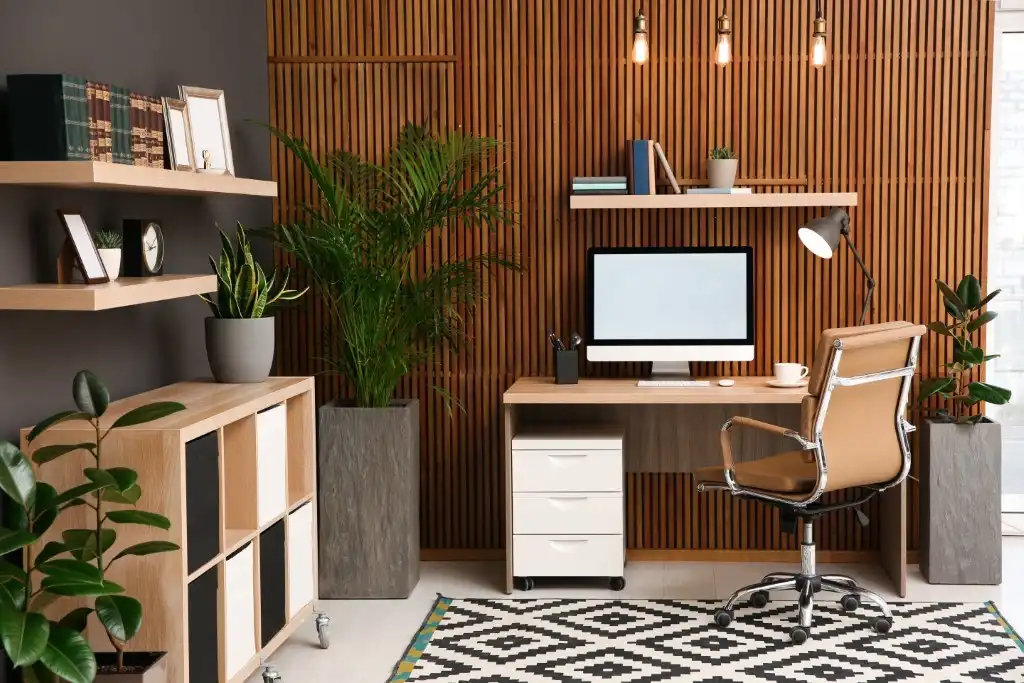
Support Body and Mind
Comfort begins with fit. The desk and chair height should align so that elbows rest easily, shoulders stay relaxed, and screens are at eye level. If measurements can’t be changed, layer small adjustments, such as a monitor riser, footrest, or cushion, to refine your posture.
Good home office furniture supports both physical balance and mental focus. Rounded edges and soft materials calm the senses while maintaining a sense of structure. Well-designed task lighting and layout can help ease tension and maintain consistent energy levels throughout long work sessions.
Staying inspired and organized comes easier with thoughtful storage and seating choices. Investing in designer home office furniture encourages efficiency and harmony without cluttering the mind. Pieces that combine practicality with ergonomic office chairs make daily tasks feel lighter and more intentional.
Prioritize Space Logic
The foundation of good design lies in movement. Notice where the body turns, how often it stands, and which areas stay active. A desk that blocks a walkway or sits too close to a wall disrupts flow. Arrange pieces around how the room breathes, not just how it looks.
Room scale matters as much as comfort. Oversized furniture can swallow small rooms and leave awkward gaps. Measure the corners and ceiling height before buying anything. In compact spaces, choose office desks with slim frames, pale finishes, or legs that lift them off the floor to keep the layout light.
Treat the room like a small landscape. Each object should hold its own place without competing for attention. When the proportions feel right, the design looks effortless.
Choose Multi-Purpose Function
Modern work rarely stays fixed in one mode. Home office furniture that supports multiple tasks makes daily transitions smoother. A dining-style table can serve as both a workspace for laptop work and a space for sketching. A storage bench might hold files and double as extra seating.
Look for systems that shift with changing routines. Modular shelves, detachable trays, and mobile drawers can adapt when work expands. Pieces that connect and disconnect freely create design flexibility without constant replacements.
Small details, such as office desks with side access or a rolling cart tucked underneath, can make furniture feel more integrated into daily work.
Balance Visual Weight and Texture
A balanced mix of materials can steady the eye and set tone. Pair dense elements, such as solid wood office desks, with open metal frames or woven baskets. The contrast gives depth without clutter.
Texture softens digital intensity. Smooth screens and hard surfaces can make a room feel flat. Add woven fabrics, matte paint, or unfinished wood to bring warmth. Lighting also plays differently on varied textures, giving subtle movement to the space.
Aim for quiet contrast rather than uniformity. Variation in tone and finish adds life without distraction.
Integrate Light and Color
Office lighting determines how furniture appears and how the room performs. Observe daylight first. A glossy desk near a bright window can reflect glare, while darker surfaces may swallow light in shaded corners. Choose finishes that respond gently to your room’s light levels.
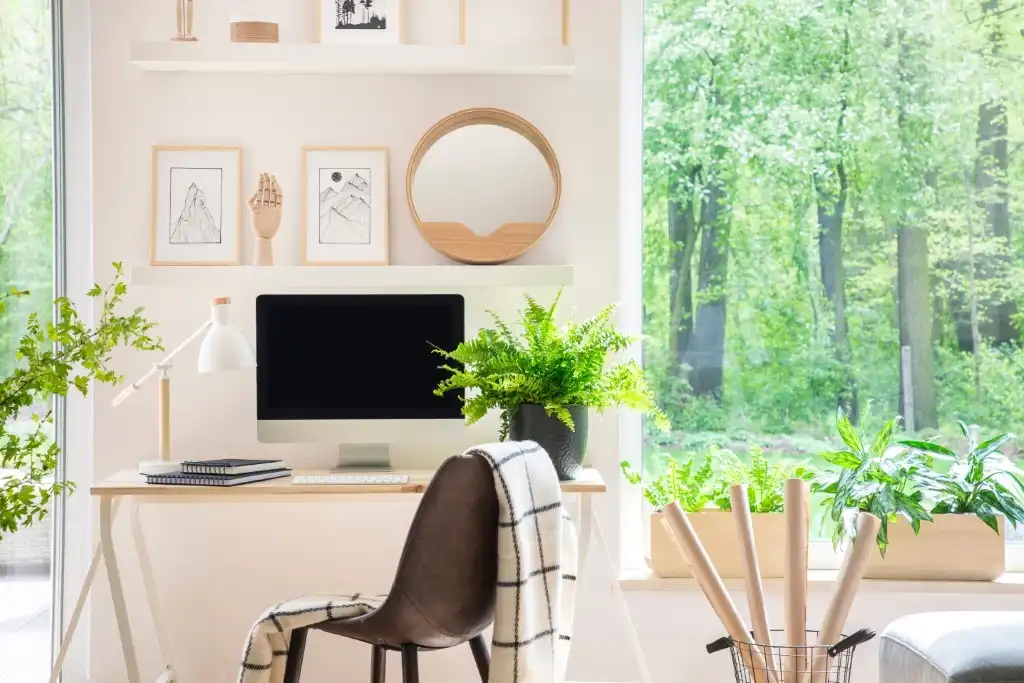
Color should connect the office to the rest of the home. Subtle tones like dusty blue, clay, or ash convey a calm energy and blend seamlessly with existing décor. Bright accents can appear through small items, like chair upholstery or storage boxes.
The goal is visual steadiness. Home office lighting that stays balanced through the day makes long hours feel easier. Using focused task lighting near reading areas or computer setups also improves comfort and clarity.
Invest in Longevity
Short-lived furniture weakens a space over time. Durable materials, such as solid steel, wood, and dense laminates, hold their structure and improve with age. They cost more initially but maintain stability and texture longer than mass-produced substitutes.
Longevity also relates to design simplicity. Clean lines and honest materials survive changes in taste. Adjustable height tables and modular designs extend usefulness, allowing small adjustments as habits or tasks evolve.
When home office furniture endures, the room develops its own quiet character. Durability is both an aesthetic and a practical choice.
Create a Spatial Narrative
A home office should blend in with the rest of the home. Repeating a tone or material from another room connects spaces without duplication. For instance, a wooden desk echoing the color of nearby flooring creates continuity.
Objects reveal personality and purpose. A well-arranged bookshelf or framed sketch can anchor the workspace while keeping it personal. Including file cabinets can also bring structure while keeping papers neatly tucked away.
A consistent narrative makes an office design feel intentional rather than improvised.
Conclusion
Designing a home workspace means shaping a setting that works with both thought and movement. The right choices in home office furniture create rhythm, clarity, and comfort without drawing attention to themselves. When form and function align, the result is a room that quietly supports work and restores focus at the same time.
Comments on this guide to How To Choose Home Office Furniture That Supports Good Design article are welcome.
Furniture
Furniture Posts
Choosing the Ideal Upholstery for your Furniture
From ordinary to extraordinary: custom furniture
++
Property
Architecture
Comments / photos for the How To Choose Home Office Furniture That Supports Good Design page welcome.