Thoughtful Office Design Elevates Employee Experience Tips
post updated 23 August 2026
23 August 2025
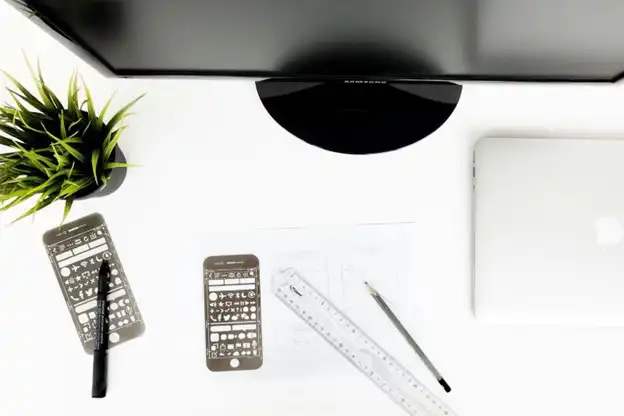
image source : unsplash.com
Crafting Inspiration: How Thoughtful Office Design Elevates Employee Experience, According to Nelson Sanchez
In an evolving work landscape, the office is no longer just a place to perform tasks; it’s a strategic tool for fostering innovation, collaboration, and employee well-being. According to Nelson Sanchez, a seasoned Interior Designer and Branding professional with extensive experience across corporate, commercial, and institutional sectors, the right office design is paramount to inspiring a modern workforce.
Central to his approach is what became known as ‘Imperfect Geometry,’ a design methodology that translates natural flows and asymmetrical patterns into furniture and spatial layouts. This technique not only creates visually striking, human-centered spaces but also establishes a reproducible framework that other designers and studios have begun experimenting with, demonstrating its influence across the field.
Sanchez, currently a Workplace Design Strategy Assistant Analyst at PepsiCo, alongside a robust background including roles at Perkins&Will and Leyden Lewis Design Studio, emphasizes that successful design is about “enhancing living experiences through design and teamwork.” His insights come at a crucial time as businesses navigate the complexities of hybrid work and the ongoing “battle for talent.”
Thoughtful Office Design Improves Employee Experience – Future Workplace Spaces
The future of workplace design, Sanchez notes, is shifting decisively towards hybrid models, prioritizing employee well-being, and creating flexible, adaptable spaces. While some organizations push for more in-office time, a significant majority embrace hybrid styles, transforming the office into a vibrant destination.
Beyond aesthetics, cutting-edge design is now intrinsically linked to performance and talent attraction. Sanchez highlights that prioritizing employee well-being through ergonomic designs, soundproof spaces, and mental health considerations is no longer a perk but a fundamental aspect of design, not to mention “Privacy Pods” to heighten productivity. That’s why flexible spaces with movable walls and multi-purpose rooms are crucial for organizations to adapt to changing needs and optimize space use, supporting the creation of high-performance environments.
In many of these flexible office layouts, Sanchez applies principles of Imperfect Geometry to guide the positioning of desks, lounges, and circulation paths, ensuring that each element contributes to an organic, intuitive spatial experience. This method exemplifies how an original design approach can be replicated and adapted across diverse workplace environments while retaining its conceptual integrity.
Sanchez underscores the growing imperative for sustainability, too. He talks about strategic workplace design and creating spaces that attract and retain top talent and boost productivity.
Why is office design so vital for employees?
Nelson Sanchez: A well-designed office significantly enhances employee engagement by making them feel valued and appreciated. It improves retention by creating an enjoyable and pleasant workspace that encourages employees to stay. Furthermore, such an environment drives innovation by fostering collaboration and creativity among team members. Ultimately, a thoughtfully designed office space can lead to greater job satisfaction and productivity, benefiting both the employees and the organization as a whole.
Color Palette Selection for Interior Design
How can a color palette change people’s lives? Can you give an example of the right colors?
Color transcends mere aesthetics and delves into the realm of psychology. The hues we choose to surround ourselves with can significantly influence our mental and emotional states. For instance, soft blues and greens are known to reduce stress, while vibrant oranges and yellows can enhance energy and creativity. Neutral tones and muted palettes provide support for focus and calm, and brand-aligned colors that evoke pride and identity can create a strong emotional resonance.
What office design style in 2025 inspires employees?
I firmly believe in the principles of human-centered design, which prioritize well-being, adaptability, and emotional connection. Such spaces should not only be functional but also serve as epicenters of inspiration and excitement. While the specific design style can vary depending on the company’s identity and the intended use of the space, it is crucial that the environment remains visually appealing. Incorporating unexpected features, like a lounge area with a large sofa where users can walk, recline, or even take a nap, can significantly enhance the user experience.
Effective design often involves breaking conventional rules to embrace innovative trends and push the boundaries of creativity. My “Imperfect Geometry” technique encourages experimentation with form and proportion, allowing designers to break away from rigid grids and standard layouts. The method’s versatility has led to discussions and case studies in professional forums, highlighting its potential as a replicable tool for generating innovative, human-centered workspaces.
How can communal or meeting spaces be community oriented?
Communal spaces are meticulously designed to highlight multi-functional, inclusive, and emotionally engaging environments that nurture community and collaboration. It is imperative that these spaces cater to the diverse needs of the community, including dining, meetings, and entertainment. For example, dining areas can seamlessly transform into informal meeting venues, creating a dynamic and adaptable setting.
Breakout areas are thoughtfully crafted to balance collaboration and tranquility, providing the flexibility needed for various activities. The integration of greenery not only enhances the aesthetic appeal but also significantly contributes to the well-being and productivity of individuals. These carefully considered design elements ensure that communal spaces are both functional and inspiring, cultivating a vibrant atmosphere where individuals can connect and flourish.
Office Space for Private Time
How do you design office space for private time or zoom calls without disturbing anyone else in the office?
When contemplating the balance between privacy and collaboration, several essential features come to mind. One noteworthy feature is the “Privacy Pod,” a piece of furniture equipped with built-in screens to offer a quiet and focused workspace. Additionally, Phone Booths serve as freestanding or enclosed rooms designed specifically for making quick calls. For small group meetings or Zoom calls, Talk Rooms, accommodating 3-5 individuals, are particularly ideal. Another significant element is the Focus Zone, which emulates a library setting and provides varied postures to support deep work.
These meticulously designed spaces are not only reservable but also Zoom-enabled, ensuring seamless integration with modern technology. They are crafted with acoustic comfort in mind to create an environment that fosters productivity and concentration. By incorporating these features, we can significantly enhance both privacy and collaboration within the workplace.
Many of these privacy and focus solutions, including pods and talk rooms, are influenced by the spatial logic of Imperfect Geometry, where form follows both human behavior and natural rhythm rather than strict orthogonal rules. Colleagues and collaborators have begun experimenting with these strategies in other projects, demonstrating the method’s transferable value and practical impact in real-world applications.
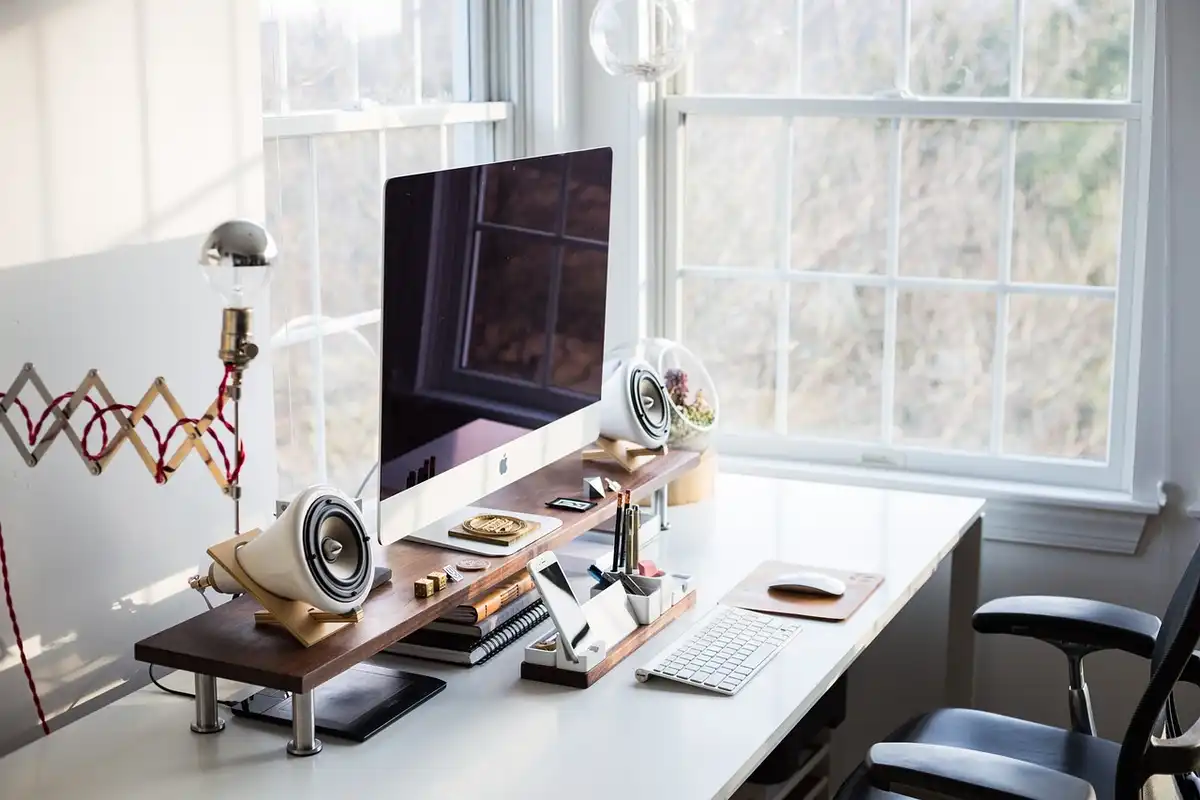
What is one office design trend on its way out?
There is a shift away from fixed desks and static workstations. I noticed how there is an increasingly noticeable transition in workplace environments towards more flexible and modular setups, moving away from static desk assignments. This evolution mirrors the broader industry trend towards hybrid work models and dynamic space planning. There are many factors contributing to this shift. Among them, they are:
Hybrid Work Culture: With employees alternating between remote and in-office work, fixed desks often remain unused, leading to wasted space and resources. The hybrid model necessitates a more adaptable workspace that can accommodate fluctuating occupancy levels.
Employee Autonomy: Modern employees expect the freedom to choose where and how they work, whether in quiet zones, collaboration hubs, or wellness rooms. This autonomy significantly enhances both productivity and job satisfaction.
Design Efficiency: Companies are increasingly opting for modular furniture and open layouts, allowing them to quickly adapt to changing team sizes and project requirements. This design flexibility is crucial for maintaining an efficient and responsive work environment.
The decline of fixed desks and static workstations reflects the evolving nature of work. As businesses continue to embrace hybrid models and prioritize employee autonomy and design efficiency, the trend towards flexible, adaptable workspaces is poised for further growth.
Through his unique methodology, Nelson Sanchez has not only introduced a highly original approach to office design but also one that other professionals can study, replicate, and adapt—underscoring the broader significance of his contribution to contemporary design practice
Comments on this guide to Thoughtful office design elevates employee experience article are welcome.
Commercial Property Office Desk
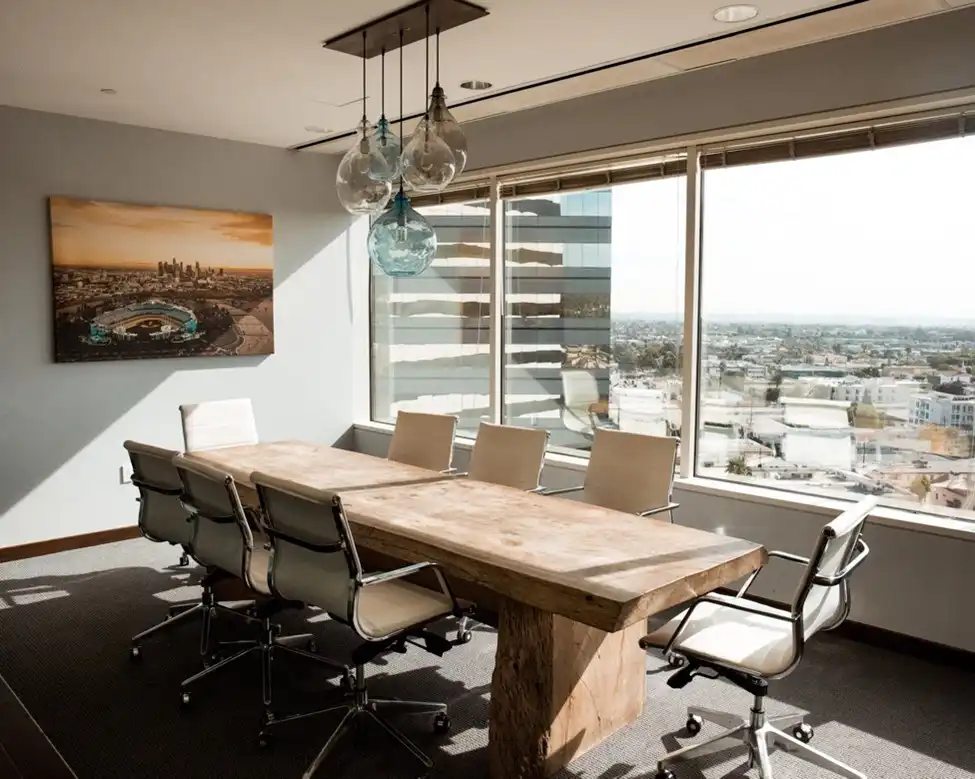
image source : unsplash.com
Office Desk Design – selection
Inviting reception desk design
Manual height adjustable all-in-one standing desk
How to pick the perfect Glass desk for the office
++
Workspace Building Design
Choosing the right restaurant furniture
Comments / photos for the Thoughtful office design elevates employee experience advice page welcome.