
The Revolution of the Acoustic Architecture of Card Rooms
21 April 2026
People usually describe poker rooms in visual terms first. The green felt. The overhead lights. The way the tables are spaced. The concentration on a player’s face just before a decision. But if you have spent any real time in a good card room, you know the experience is just as much about what you hear. No loudness. No noise for its own sake. The opposite, really.
A well-designed poker room has its own kind of acoustic discipline. Chips click with weight. Cards slide across felt with a dry softness. Conversations stay low enough to feel present without becoming intrusive. The room is alive, but controlled. You are never fully in silence, yet the sound rarely fights your attention. That balance matters more than most people realise, because poker is a game of long concentration, small reads, and emotional restraint. The wrong soundscape can wear you down long before the cards do. That is why the architecture of a serious card room is not only visual. It is also acoustic.

The soundscape of strategy
Poker is a strange combination of tension and stillness. Big decisions are often made in rooms where very little appears to be happening. That means the environment has to support thought rather than interrupt it.
Too much noise creates a kind of low-grade mental drag. It becomes harder to stay patient, harder to track the rhythm of the table, harder to notice the small behavioural changes that often matter more than the cards themselves. A room that is too dead, though, can feel oddly sterile. Poker does not thrive in complete silence either. Silence can make every movement feel theatrical in the wrong way.
What good poker rooms do instead is preserve meaningful sound while softening distraction. The important noises remain legible: chips being stacked, cards being riffling through a shuffle, a chair moving slightly as someone adjusts, the quiet shift in table energy when a pot starts growing. These sounds help define the game’s tempo. They tell you something is happening without overwhelming you. In that sense, poker rooms are not simply places where games happen. They are listening environments built around concentration.
How physical rooms manage sound
This is where design starts doing work people rarely notice consciously. Heavy carpeting matters because it stops footsteps from becoming a constant irritant. Felt matters because it softens contact and gives cards and chips a distinct texture without turning every action into a sharp crack. Room spacing matters because too many tables packed too tightly create acoustic spill, where every conversation and every chip stack starts bleeding into the next one.
Even the materials on walls and ceilings can make a difference. Hard reflective surfaces tend to make a room feel harsher and more chaotic. Softer finishes, absorbent panels, and thicker furnishings help keep sound from bouncing endlessly around the room. The result is not silence, but containment. The room stays readable.
That idea of readability is important. Good card-room acoustics are not about erasing sound. They are about giving sound shape. If you think about the most memorable rooms, they often have a particular sonic identity. Some feel dense and murmuring, like all the pressure is held just below the surface. Others feel airy and composed, where every chip click lands with unusual clarity. That atmosphere is not accidental. It comes from the way the room is built and from the fact that poker, unlike many other games, demands long stretches of sustained mental attention.
Why the small sounds matter
There is also something more emotional happening in these spaces. The sound of chips is not just sound. It carries meaning. A quick, casual stack feels different from a slower, more deliberate one. Cards being shuffled can calm a room or sharpen it, depending on the moment. Even the pause before someone acts has its own sound, or rather its own kind of acoustic tension. You hear the room waiting.
That is part of what makes poker so atmospheric. It is not only visual theatre. It is an auditory theatre too. The room communicates through tiny noises and through the management of those noises. A bad environment makes the game feel flat or tiring. A good one makes it feel focused, almost self-contained. You can feel this even if you have never tried to put it into words. Some rooms help you think. Others keep breaking your thought. Usually, the difference is not only in the lighting or the layout. It is in the acoustics.

What changes when the room becomes a screen
As more poker has moved online, the challenge has not simply been to reproduce the rules of the game. Rules are the easy part. The harder task is recreating enough of the atmosphere that the experience still feels mentally complete. This is where digital sound design starts to matter.
In online poker, there is no actual pile of chips in front of you, no physical card sliding across felt, no room tone coming from the table beside you. Without some kind of sensory logic, the experience can feel flat very quickly, almost administrative. Platforms have gradually realised that audio helps bridge that gap. Small feedback tones, more controlled sound environments, and cleaner interaction cues can make online play feel less mechanical and more inhabitable.
In digital settings, that means sound design has to do more work than many players first realise. Platforms such as WPT Global point to a broader shift in online poker, where interface audio, feedback tones, and a more controlled sensory environment are used to make the move from live rooms to screens feel less flat and less mechanical. What matters here is restraint. The best digital poker sound is not loud or flashy. It is subtle enough to support pace without becoming another form of clutter.
The future of poker acoustics
The next step is likely to make this even more refined. Spatial audio is one obvious frontier. If digital poker environments become more immersive, especially in VR or hybrid spaces, then sound can help rebuild the sense of position and atmosphere that physical rooms naturally provide. A room tone that shifts around you, a table presence that feels directional rather than purely front-facing, even the subtle placement of activity in the acoustic background, all of that could make digital card rooms feel less abstract.
But the future probably is not only about realism. It is also about cognitive clarity. The most effective sound design in poker may not be the most lifelike. It may be the kind that supports decision-making best. A digital room can borrow from real card rooms without copying them blindly. It can keep the cues that matter and leave out the ones that only add fatigue. That is where acoustic design becomes genuinely interesting. It is not trying to turn poker into a movie. It is trying to create the conditions in which thought can settle and strategy can breathe.
What the ear understands
Architecture is usually treated as something the eye understands first. Poker rooms suggest otherwise. The best ones are not only visible spaces. They are acoustic compositions. They guide attention through what they allow, what they soften, and what they keep distinct enough to matter. In physical rooms, that means surfaces, spacing, and material choices. Online, it means carefully judged sound design that helps replace what the screen would otherwise strip away.
Poker has always depended on concentration, rhythm, and the reading of small signals. It makes sense that the spaces built for it, whether physical or digital, would depend on sound just as much as sight. The perfect game is not only one that looks right. It is one that sounds clear enough for thought to settle in.
Comments on this guide to card rooms acoustic architecture revolution article are welcome.
Lighting Design
Lighting Posts
Getting your home filled with light
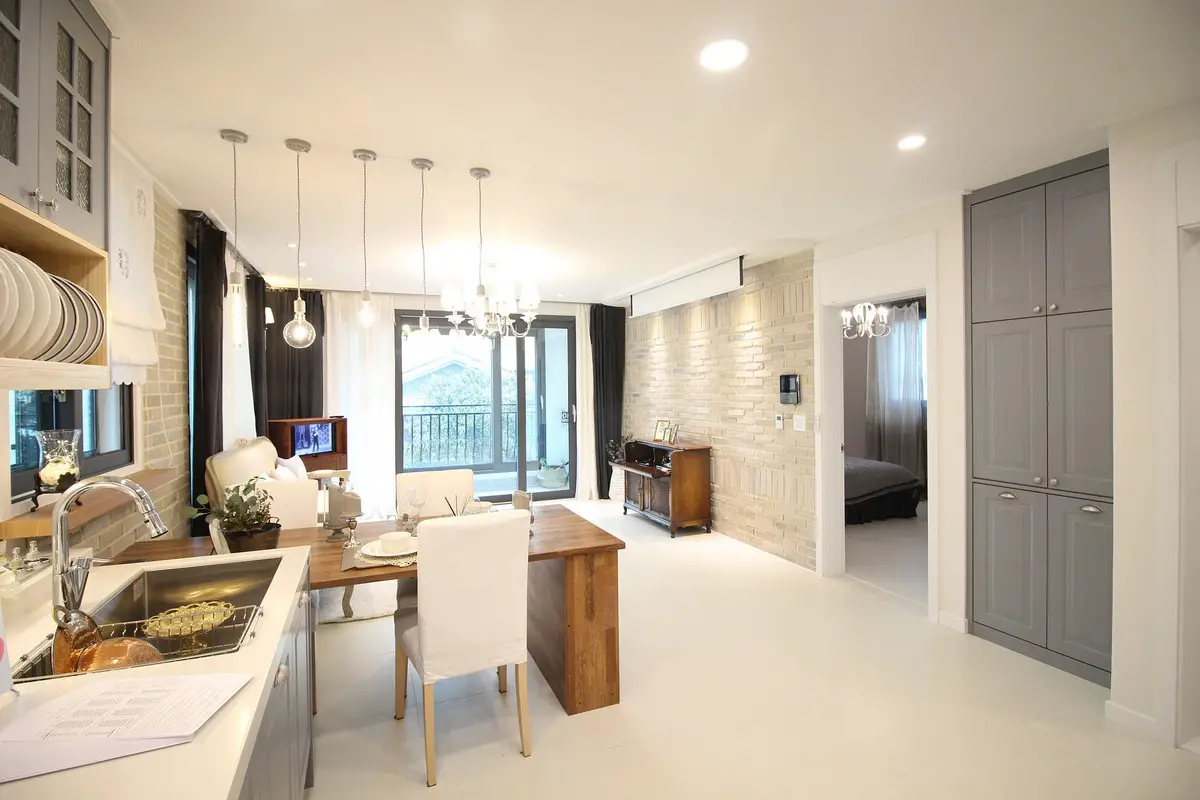
How to Use Lighting, Space and Material in Architectural Design
++
Building Articles
Residential Architecture
Comments / photos for the Card rooms acoustic architecture revolution page welcome

