Can Flooring Really Make or Break Your Interior?
post updated 25 September 2026
25 September 2025
Can Flooring Really Make or Break Your Interior? Here’s What You Should Know
Flooring has a deeper impact on your home than most people realize. It shapes the way a room feels, influences how light moves through the space, and affects your mood every time you enter.
The color beneath your feet can create calm or spark energy, the texture can feel inviting or cold, and the pattern can make a room feel larger or more confined.
Because floors stay in place for years, the choice you make now can either create lasting comfort and balance or lock in a sense of discomfort that is hard to escape.
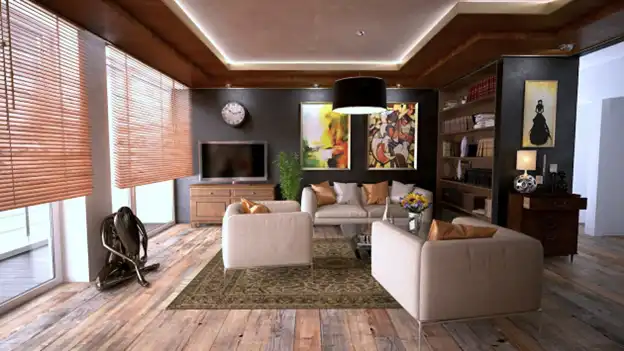
Photo by Pixabay on Pexels
Flooring Sets the Whole Mood of The Room
The floor shapes the personality of a space long before anyone notices the furniture. Your eyes take in the entire scene at once, and the floor occupies more of that view than any other element. Its color and texture guide the first impression and set the emotional tone you feel as you enter.
The most obvious example is the effect that your flooring colour has on the overall feeling of spaciousness. Light and color can make a room feel more open or more intimate.
A single room can appear spacious and airy with one type of floor and suddenly seem smaller with another. Experiment with ideas in your own home using a flooring visualizer before committing to a final decision.
This effect becomes even stronger once lighting enters the picture. Natural daylight, evening lamps, and bulb color all change how a floor looks and how the space feels. A plank that seemed warm and golden in a showroom may appear cooler or grayer under the softer light of a living room at night, which is why it is important to view samples in your own home before making a choice.
The guiding principle is simple. Light floors open a room while dark floors bring it in.
- Light floors such as pale wood, cream tile, or soft beige carpet reflect light and blur edges, creating an airy and expansive feel. They work well in small apartments, narrow halls, or any area with limited natural light.
- Dark floors like espresso hardwood or charcoal slate absorb light and create a more contained atmosphere. In a large living room, this can feel grounded and cozy, but in a small space, it can quickly become heavy unless a dramatic, intimate look is the goal.
Different Materials Feel Different
Each flooring material brings its own atmosphere. They do more than change the look of a room. They shape the way a space feels the moment you step inside.
Wood floors add warmth and a natural sense of home. Their grain and color make almost any room feel welcoming and balanced.
Tile floors give a space a clean and organized character. Stone tiles add a sense of permanence and quiet luxury, while ceramic tiles feel fresh and practical. They are excellent for kitchens, bathrooms, and entryways, though they can feel cool in bedrooms unless softened with rugs.
Carpet offers pure comfort. It is soft underfoot, quiets footsteps, and invites people to sit, play, or simply relax. Bedrooms and family rooms often feel cozier and more lived-in with carpet.
Each material sends a different message to your senses and sets expectations for how the space will be used. Choosing the right one means matching that message to the way you want to live in the room.
How Floor Finish Shapes Light
The finish of a floor changes the way light moves through a room and can completely alter the atmosphere.
Glossy or polished floors, such as high-gloss hardwood or shiny porcelain, reflect light and act almost like a secondary light source. They can make a space feel brighter and more energetic, though very sunny rooms may need careful planning to avoid glare.
Matte or textured floors, such as hand-scraped wood or honed stone, scatter light instead of reflecting it. This softens the room and creates a calmer, more intimate effect by absorbing some of the harshness of direct light.
Before making a choice, place your flooring samples in the actual room and watch them at different times of day. Morning light, midday sun, and evening lamps will each reveal a different side of the finish and help you see how it will really look once installed.
The Emotional Power of Your Floor
Beyond visual tricks, your floor is a powerful mood-setter. The material, color, and even pattern can evoke feelings of comfort, energy, or calm.
Material Personality:
- Wood: The timeless classic. Wood flooring radiates warmth, nature, and comfort. Its organic grain and earthy tones are grounding, making a space feel welcoming and relaxed. It brings a touch of the outdoors in, which studies show can reduce stress.
- Tile and Stone: The cool professional. Tile offers a clean, crisp, and orderly feel. It’s refreshing underfoot, making it perfect for kitchens, bathrooms, and warmer climates. A polished marble floor instantly signals sophistication and luxury.
- Carpet: The cozy hug. Nothing says comfort quite like a plush carpet. It softens a room both visually and acoustically, absorbing sound and creating a quiet, peaceful sanctuary. It’s the ultimate invitation to kick off your shoes and relax.
Color Psychology:
- Warm-toned floors color (honey oaks, reddish cherries, warm beiges) create an inviting, sociable, and cozy atmosphere. They’re like a visual fireplace, making even large rooms feel more intimate.
- Cool-toned floors color (grays, ashy woods, muted taupes) bring a sense of calm, serenity, and modern sophistication. They create a fresh, uncluttered backdrop that is perfect for minimalist designs and peaceful retreats.
- Dark floors color add drama, depth, and elegance. They make the colors of your furniture and walls pop, creating a high-contrast, luxurious look. A dark floor can feel incredibly cozy and sophisticated, like a quiet library or a high-end hotel.
- Light floors color create a breezy, uplifting, and cheerful ambiance. They keep a room feeling bright and hopeful, contributing to a tranquil, Zen-like mood.
Patterns and Textures Add Interest
A simple, solid floor is safe and calm. A patterned floor adds personality and energy. Neither is better; they just do different jobs.
A subtle pattern like herringbone wood adds elegance without being overwhelming. A bold geometric tile pattern creates excitement and becomes a focal point.
Smooth floors feel modern and sleek. Textured floors feel more natural and interesting under your feet. Again, both can work, depending on what mood you want.
Just don’t go overboard. If your floor has a busy pattern, keep everything else simple. If you want busy wallpaper and colorful furniture, choose a simple floor that won’t compete.
Flooring Also Affects Your Space Acoustics
The type of flooring you choose affects more than appearance or comfort underfoot. It also determines how sound behaves in a room.
Hard surfaces such as hardwood, tile, or stone reflect sound waves, which can create echoes, amplify footsteps, and make even small noises seem louder. Carpet, cork, and other softer materials absorb sound instead. They reduce echoes, quiet foot traffic, and create a more peaceful atmosphere where conversations feel private and everyday life sounds less harsh. If a calm and serene home environment matters to you, considering the acoustic impact of your floor is just as important as its color or texture.
Health and Cleanliness
Flooring plays a major role in indoor air quality, especially for people with allergies or asthma. Carpet fibers can trap dust, pet dander, pollen, and other allergens deep within the pile, which means regular vacuuming and periodic deep cleaning are essential to keep the air healthy.
Hard surfaces such as hardwood, laminate, vinyl, or tile do not hold on to particles in the same way. They can be swept and mopped quickly, allowing allergens to be removed before they circulate through the room.
For anyone sensitive to dust or for households that want the easiest path to a clean, fresh environment, choosing a hard surface floor can make daily maintenance simpler and improve overall air quality.
Test Before You Commit
The old way of choosing floors was looking at tiny samples and trying to imagine them covering your whole room. That’s hard to do, and you often guess wrong.
Now you can use a flooring visualizer that shows you exactly how different floors will look in your actual room. You upload a photo and virtually try different options. You can see how gray hardwood looks with your blue walls or how dark tile works with your kitchen cabinets.

These tools take the guesswork out. You can try bold choices without risk and compare options easily. You can even show family members what you’re thinking without dragging them to the flooring store.
Trust Your Gut
At the end of the day, the best floor is the one that feels right to you. If you love how it looks and feels, that’s what matters most.
Some people need the warmth of wood. Others love the clean lines of tile. Some want the comfort of carpet. There’s no wrong choice if it makes you happy in your space.
Your home should feel like you. Your floor is a big part of that feeling. Walk into the room and see how it makes you feel. If it feels like home, you’ve found the right floor.
The floor might seem like just a background element, but it’s actually running the show. It affects how big your room feels, how bright it is, what mood it creates, and how comfortable you are living there.
Next time you’re in a room that just feels right, look down. The floor is probably doing more work than you realized.
Comments on this guide to Can flooring really make or break your interior article are welcome.
Flooring
Building Flooring Style
Choose the Best Flooring for Your Home
The Versatility of Hybrid and Laminate Flooring
Installing and looking after laminate flooring
++
Building Articles
Comments / photos for the Can flooring really make or break your interior advice page welcome