Buildings Designed Around Nature: The Future of Sustainable Architecture
4 August 2026

Modern architecture has evolved beyond creating visually impressive structures. Today, architects and developers are increasingly embracing designs that coexist with the environment rather than dominate it. Buildings designed around nature are becoming more common as sustainability, energy efficiency, and human well-being take center stage. From vertical forests and green roofs to structures built around ancient trees and flowing rivers, nature-centered architecture proves that innovation and environmental responsibility can go hand in hand.
As people seek healthier lifestyles and greener cities, these architectural concepts continue to inspire industries far beyond construction. Even digital entertainment platforms such as and recognize the value of immersive, thoughtfully designed environments that prioritize user experience, much like architects who create spaces that seamlessly integrate with nature.
What Does It Mean to Design Buildings Around Nature?
Nature-centered architecture refers to designing structures that preserve, complement, or even enhance the surrounding natural environment. Rather than clearing landscapes for development, architects study the terrain, climate, vegetation, and local ecosystems before creating their designs.
This philosophy emphasizes harmony between the built environment and nature by incorporating features such as:
- Living walls and vertical gardens
- Green rooftops
- Natural ventilation
- Rainwater harvesting systems
- Solar energy integration
- Preservation of existing trees and waterways
- Large windows that maximize natural lighting
The result is a building that feels connected to its surroundings while reducing its environmental footprint.
Just as Perya and GameZone carefully create engaging experiences by blending traditional Filipino entertainment with modern technology, architects blend natural elements with innovative engineering to produce functional and inspiring spaces.
Why Nature-Centered Architecture Matters
Urbanization continues to replace forests, wetlands, and green spaces with concrete developments. This rapid expansion contributes to pollution, rising temperatures, and biodiversity loss.
Buildings designed around nature help address these issues by:
Improving Air Quality
Plants naturally filter airborne pollutants while producing oxygen. Green walls and rooftop gardens contribute to cleaner urban air.
Lowering Energy Consumption
Natural ventilation, daylight optimization, and proper building orientation reduce reliance on air conditioning and artificial lighting.
Supporting Biodiversity
Green roofs and landscaped areas provide habitats for birds, butterflies, and beneficial insects.
Enhancing Mental Well-Being
Numerous studies suggest that exposure to greenery reduces stress, improves concentration, and supports overall mental health.
Interestingly, the relaxing atmosphere found in thoughtfully designed spaces mirrors the enjoyable experiences many users seek when visiting platforms like Perya and GameZone, where entertainment becomes more immersive through creative design.
Famous Buildings Designed Around Nature
Several remarkable buildings demonstrate how architecture can successfully embrace the natural environment.
Bosco Verticale, Italy
Located in Milan, Bosco Verticale, or “Vertical Forest,” features residential towers covered with thousands of trees and shrubs. These plants absorb carbon dioxide, reduce noise pollution, and provide shade that naturally cools the building.
Fallingwater, United States
Designed by Frank Lloyd Wright, Fallingwater is perhaps the world’s most famous example of organic architecture. Instead of removing the nearby waterfall, Wright built the house directly above it, allowing the flowing water to become part of everyday living.
Jewel Changi Airport, Singapore
The Jewel at Singapore’s Changi Airport combines shopping, transportation, and nature under one roof. Its indoor rainforest and massive waterfall create a relaxing atmosphere rarely associated with airports.
One Central Park, Australia
Sydney’s One Central Park incorporates vertical gardens, solar panels, and innovative reflective systems that maximize natural sunlight while minimizing energy consumption.
These projects demonstrate that sustainable architecture can also become iconic landmarks.
Key Principles of Nature-Inspired Design
Successful nature-centered buildings often follow several important design principles.
Rather than flattening land, architects adapt their designs to fit the natural terrain.
Locally sourced wood, stone, and recycled materials reduce transportation emissions while supporting regional industries.
Large glass panels and open layouts reduce electricity usage while creating healthier indoor environments.
Cross-ventilation reduces the need for mechanical cooling systems.
Gardens, terraces, and indoor plants improve aesthetics while delivering environmental benefits.
Much like Perya and GameZone modernize traditional experiences without losing their original charm, architects preserve natural landscapes while incorporating advanced building technologies.
Benefits for Businesses
Nature-centered buildings are not only environmentally friendly—they also make financial sense.
Lower electricity and water consumption significantly reduce long-term expenses.
Sustainable buildings often command higher market prices and attract environmentally conscious buyers.
Research consistently shows that workers perform better in offices with natural lighting, greenery, and improved air quality.
Businesses occupying environmentally responsible buildings demonstrate their commitment to sustainability, attracting customers who value eco-friendly practices.
The Role of Biophilic Design
Biophilic design focuses on strengthening the connection between humans and nature within built environments.
Common biophilic features include:
- Indoor gardens
- Natural wood finishes
- Water features
- Organic shapes
- Floor-to-ceiling windows
- Outdoor terraces
- Living walls
The goal is to create spaces where occupants feel calmer, healthier, and more productive.
This emphasis on user comfort shares similarities with platforms like Perya and GameZone, which continually improve digital experiences by making entertainment more engaging and visually appealing.
Challenges of Building Around Nature
Despite its advantages, nature-centered architecture presents several challenges.
Higher Initial Costs
Installing green roofs, advanced insulation, and renewable energy systems often requires greater upfront investment.
Maintenance Requirements
Living walls, rooftop gardens, and irrigation systems require ongoing care to remain healthy.
Site Limitations
Not every location is suitable for preserving existing ecosystems while supporting large-scale development.
Climate Considerations
Architects must carefully select plants and construction materials that thrive under local weather conditions.
However, many developers find that long-term operational savings outweigh these initial challenges.
Technology Driving Sustainable Buildings
Modern technology continues to make environmentally friendly architecture more practical.
Some innovations include:
- Smart climate control systems
- Solar glass windows
- Automated irrigation
- AI-powered energy management
- Rainwater recycling
- Sustainable concrete alternatives
- Carbon-neutral construction materials
These technologies help buildings operate efficiently while reducing their environmental impact.
As innovation transforms architecture, it also reshapes entertainment. Brands like Perya and GameZone demonstrate how combining tradition with modern technology creates experiences that resonate with today’s audiences.
The Future of Nature-Centered Architecture
As climate change and urban growth continue to reshape cities, architects will increasingly prioritize sustainability. Governments are introducing stricter environmental regulations, while consumers demand greener residential and commercial spaces.
Future buildings may feature self-sustaining ecosystems, carbon-absorbing materials, renewable energy integration, and intelligent environmental monitoring systems. Entire neighborhoods could eventually function as living ecosystems rather than isolated developments.
Nature-centered architecture represents more than a design trend—it is a long-term solution for healthier communities, resilient cities, and a more sustainable planet. By respecting natural landscapes while embracing technological innovation, architects are creating spaces where people and nature thrive together.
This philosophy of thoughtful integration can also be seen across other industries. Whether developing immersive entertainment through Perya and GameZone or designing environmentally responsible buildings, success often comes from balancing innovation with respect for what already exists. As more cities adopt these principles, buildings designed around nature will continue shaping a greener and more sustainable future.
Comments on this guide to Buildings designed around nature: the future of sustainable architecture article are welcome.
Biophilic Buildings
Biophilic Building Designs
Merging architecture with nature in biophilic design
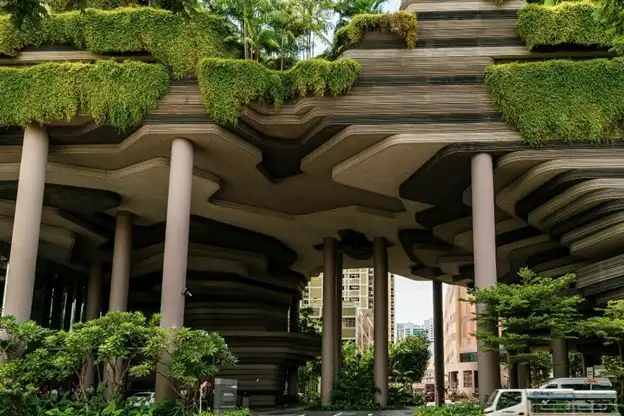
Primary school of the future: biophilic building
Biophilic design at Heriot Watt campus Dubai
Milan biophilic office of the future
+++
Property Design
Contemporary Property Designs – recent architectural selection from e-architect below:
Comments / photos for the Buildings designed around nature: the future of sustainable architecture advice page welcome.