Building v Buying a House: An Architect’s Perspective
post updated 30 September 2026
30 September 2025
Deciding between building vs buying a house is a choice that shapes finances, lifestyle, and long-term comfort. The answer seems tied to budget and convenience, but an architect’s perspective highlights details often overlooked.
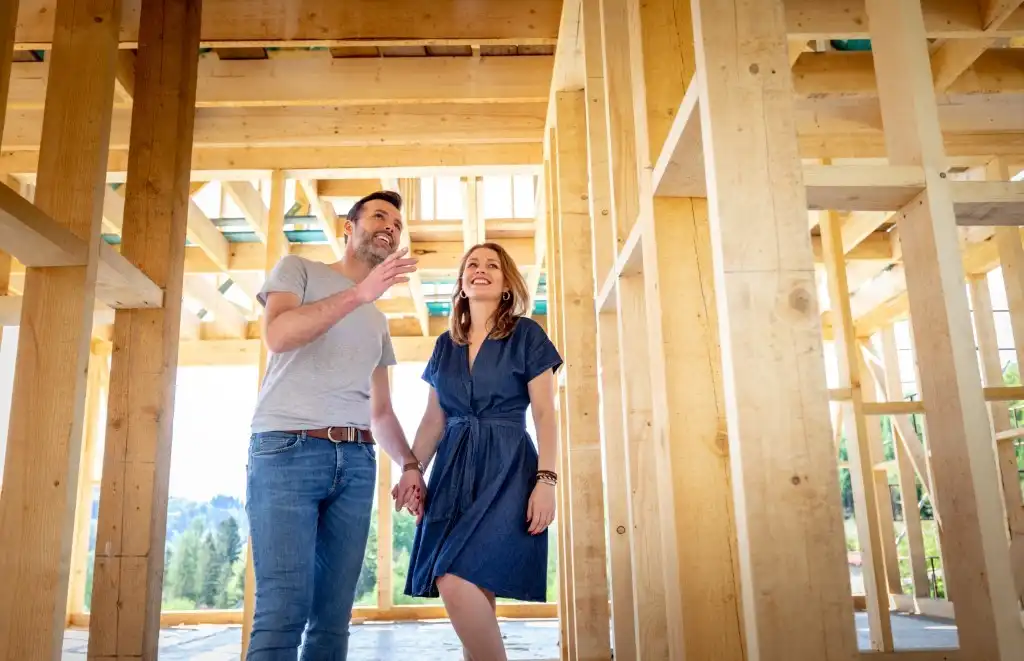
The way a home sits on its site, the adaptability of its design, and its performance over decades weigh as heavily as the price tag. In today’s real estate market, those questions often matter as much as location or price.
Site and Context as Design Drivers
Buying a home means inheriting a lot, its orientation, and its relationship to neighbors. What already exists may have limited shade, privacy, and usable outdoor space.
Building a house allows the land itself to shape the design, with careful placement for sunlight, views, and protection from wind, creating a home that feels both efficient and comfortable. Trusted local builders can offer pre-designed models or flexible modifications that adapt to a family’s specific needs. You can get more information by checking your chosen builder’s official website and seeing if their services work for you.
Architects see the site as the first design decision. The land’s features (slope, soil, and surroundings) shape the house in ways that go beyond what square footage can tell.
Cost Beyond the Obvious
Buying a house comes with a fixed purchase price, but the number on the contract rarely tells the whole story. Renovations to update interiors, repairs on aging systems, and upgrades to meet today’s efficiency standards can add layers of expense. Surprises often appear behind walls or in old foundations.
Building a home offers more control over spending priorities. Owners can direct resources into building materials, layouts, and systems that matter most. Yet costs can rise quickly with delays, site preparation, or regulatory hurdles.
An architect often evaluates cost over decades, not months. A more affordable option is a home that costs more upfront but requires less energy and fewer repairs. That long-term view makes a difference for many families weighing building vs buying a house.
Time as a Resource
Buying a home up front saves time. A move can happen within weeks; only renovations or repairs delay occupancy. Yet years may pass with ongoing projects if the house never fits quite right.
Building a house demands patience. Timelines stretch with weather, labor shortages, or supply delays. The investment of time, however, often reduces years of compromise in daily living.
For architects, time acts like a resource. They ask whether moving in quickly is worth decades in a home that doesn’t truly fit.
Personalization and Lifestyle Fit
Buying an existing home delivers a space shaped by someone else’s choices. Renovations help, but structural constraints like load-bearing walls and room proportions often remain.
Building a home from start to finish allows customization from the ground up. Owners can prioritize spaces for multi-generational living, aging in place, or future technology. Flexible layouts can transform over time, shifting from nursery to study to guest room without major reconstruction.
Architects often design for the long arc of life. Spaces built with adaptability in mind continue to serve as needs evolve.
Environmental and Energy Considerations
Older homes usually require retrofits to meet modern efficiency standards. Insulation upgrades, HVAC replacements, and water-saving systems can cost more than expected.
Building a home opens the door to sustainable strategies. Passive solar design, renewable energy, rainwater collection, and using local materials create homes that perform better from day one.
Climate resilience is another layer. Architects design new homes to withstand flooding, wildfires, or extreme heat. In many areas, this foresight will decide whether a home thrives or struggles as conditions shift.
Regulatory and Legal Dimensions
Buying generally means the property already meets building codes, though hidden compliance issues may surface. Unpermitted additions or outdated systems can complicate ownership.
Building requires navigating permits, zoning rules, and neighborhood covenants. While this stage can feel daunting, it ensures the house aligns with current standards and avoids legal headaches later.
Architects often serve as mediators between ambition and regulation. They balance a home buyer’s goals with what the law allows, turning bureaucracy into a smoother path forward.
Emotional Value and Identity
Buying offers charm, history, and immediate entry into a neighborhood. Some find comfort in the patina of older homes, where imperfections add character.
Building creates a more personal connection. Every choice, from the floor plan to the materials, reflects the owner’s identity and values. Co-designing with an architect often deepens this sense of attachment.
A home that matches lifestyle and values can nurture a stronger sense of belonging than one chosen for convenience alone.
Long-Term Investment and Resale

Buying ties resale value to neighborhood trends and market comparables. Improvements may increase value, but results vary with buyer preferences. Real estate agents often remind clients that resale depends on timing, neighborhood demand, and shifting mortgage rates.
Building can create standout properties, though highly personalized designs sometimes narrow the buyer pool. Well-proportioned, timeless architecture, however, tends to hold value better than trend-driven builds.
Architects often plan with resale in mind. They design homes that balance personal expression with enduring qualities future buyers will appreciate. That balance becomes one of the strongest arguments in the building vs buying a house debate, especially when factoring in home loans, homeowners’ insurance, and future resale opportunities.
Conclusion
The choice between building vs buying a house goes beyond price or speed. Buying offers immediacy and heritage, while building delivers customization and long-term performance. Both paths carry trade-offs that extend well past the move-in date.
An architect’s lens adds clarity. The best decision accounts for cost over decades, the site’s character, environmental resilience, and emotional connection. For every home buyer, the smartest move is weighing lifestyle, budget, and real estate market realities. A house, after all, is not just shelter but a framework for daily life, growth, and memory.
Comments on this guide to Building vs. Buying a House: An Architect’s Perspective article are welcome.
Buying a Home
Buying Home Posts
HMO Management London property investment

Benefits of building over buying your first home
Future of house buying advice from leading experts
++
Building Articles
Residential Architecture – selection:
Comments / photos for the Building vs. Buying a House: An Architect’s Perspective page welcome.