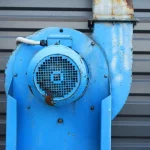
Immediate Solutions For Restoring Your Broken Household Heating Unit
26 February 2026
Waking up to a cold house is never a fun surprise. It usually happens on the coldest night of the year when you need warmth the most. You might think the system is completely broken, but sometimes the fix is simpler than it looks. Taking a few logical steps can help you identify the problem before you call for help. Understanding how your unit works gives you more control over your home comfort and safety.

Check Your Thermostat First
When the indoor air starts to feel chilly, you need to act fast to find the primary cause. If your heat stops working, 24/7 emergency HVAC repair is a common solution that people look for to stay safe. Having a plan ready helps you stay calm during a mechanical failure.
If the screen is blank, it might just need new batteries to start working again. Check that the settings are on “Heat” and the temperature is set higher than the current room air. Small adjustments to these settings often resolve what looks like a major mechanical failure.
Sometimes a simple glitch in the programming causes the system to skip a cycle. You can try resetting the device by turning it off for 1 minute, then switching it back on. These steps can save you a lot of stress during a cold snap – keeping you warm when it matters.
Airflow and Filter Maintenance
Air needs to move freely through your ducts for the heater to stay active. A popular manufacturer of heating units mentions that blocked filters can restrict air so much that a system shuts down. This happens to prevent the machine from getting too hot and causing permanent damage.
Replacing a dirty filter is an easy task that you can do in under 5 minutes. You should check the filter every month during the peak of winter. Clean filters help the motor run smoothly and keep your energy costs from spiking.
Inspect the Power Sources
Your heating unit requires fuel and electricity to run correctly. Head to your electrical panel and look for a tripped breaker that might have cut the power. Flip the switch fully to the off position before clicking it back to on.
Check the emergency shut-off switch located near the furnace or boiler. It looks like a regular light switch and can be bumped by accident. If the switch is in the off position, your system will not receive the signal to start.
Check the gas valve to make sure it is in the open position. If the handle is perpendicular to the pipe, the gas is turned off. Turning it so it is parallel to the pipe allows fuel to flow to the burners.
Dealing with Pilot Light Issues

Older gas furnaces use a small flame to ignite the main burners. If this light goes out, the system will blow cold air or not start at all. You can usually find instructions on the side of the unit for how to relight it safely.
If the flame keeps going out, there might be a draft or a dirty component nearby. Keep the area around your furnace clear of boxes or clutter. This allows the unit to breathe and reduces the risk of accidental fires in your basement.
Signs of Professional Assistance
There are times when a DIY fix is not the right choice for your home. If you smell gas or hear loud banging noises, it is time to step away from the unit. These signs suggest that internal parts are failing or there is a leak in the supply line.
Some cities offer financial help for repairs, like a program in Illinois that sets certain income limits for residents. A single person could qualify for assistance if they make under $67,150. Checking for local grants can take some of the stress out of an expensive repair bill.
Common Mechanical Noises
A healthy heater should run with a steady hum or a soft blow of air. If you hear screeching, it might mean a belt is slipping or a motor is failing. Scraping sounds often indicate that something has come loose inside the blower housing.
Ignoring these sounds can lead to much bigger problems later on. A small vibration can turn into a broken part if the system keeps running as it struggles. Catching these sounds early saves money and prevents a total breakdown.
- Clear snow away from external vents
- Keep vents inside the house open
- Test your carbon monoxide detectors
- Make sure the gas valve is open
Staying warm is a matter of safety when the winter weather turns harsh. By checking the simple things first, you can often save time and get the heat back on fast. Preparation is the key to handling any household emergency with confidence and ease.
Comments on this guide to Broken household heating unit restoring solutions article are welcome.
HVAC – Air Conditioners
Air Conditioners Posts
Why Rely On Professionals For Air Conditioning, Heating, HVAC
HVAC Systems in Modern Architecture
++
Buildings
Residential Architecture Articles
Comments / photos for the Broken household heating unit restoring solutions – building temperature control page welcome.