Design Principles for Better Air Circulation in Homes
7 February 2026
Good air movement makes a home feel fresher, drier, and easier to heat or cool. You do not need fancy gadgets to get there. Most homes improve fast when you fix a few basics and keep up simple habits.
The ideas below show how to plan airflow, control moisture, and choose the right hardware. Use them together for the best results.
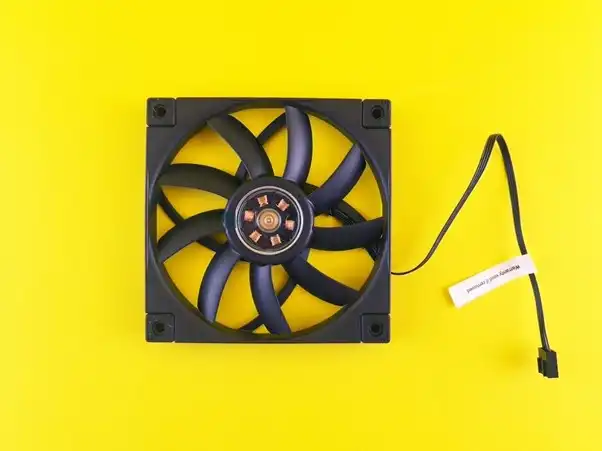
Start With How Air Moves
Air wants a path in and a path out. Picture each room as a small loop that feeds a larger loop through hallways and doors. Supply registers should not blow into a dead end. Give air a way back to the return grille with a short path, not a maze of furniture and closed doors.
Pressure is the hidden driver. When one room builds pressure, air leaks through cracks to lower pressure zones. That can pull dusty attic or crawlspace air into the house. Keep interior doors undercut, add jump ducts or transfer grilles where needed, and avoid blocking returns.
Moisture Control Shapes Circulation
Moist air is heavy on your home: it collects in still zones, feeds dust mites, and fogs windows. Drying the air helps it move because you cut sticky surfaces and reduce temperature swings that stall circulation. Find the sources first: long showers, simmering pots, and damp basements.
Plan for one change you can make today. Schedule a periodic check for leaks and standing water, then consider Bluffton SC mold testing or one in your area if you see stains or smell mustiness. Pair that with better airflow so moisture does not stay trapped. A tight envelope is good for energy, but it must be balanced with managed ventilation.
Ventilate Kitchens and Baths With the Right Math
Exhaust fans do the heavy lifting where moisture and odors start. Kitchen range hoods should move enough air to grab steam right at the source, and bath fans need to clear a small room without sounding like a jet. The U.S. Department of Energy recommends at least 100 CFM for kitchen range hoods and at least 50 CFM for bathroom fans, which is a useful baseline for sizing.
Strong equipment is only half the story. Duct runs should be short, straight, and smooth to keep actual flow near the rated CFM. Backdraft dampers prevent outside air from slipping in when the fan is off. Run bath fans during showers and for 20 minutes after to finish the job.
- Confirm the fan vents outdoors, not the attic
- Clean the grille
- Test airflow with a tissue held to the grille
- Set a timer switch so the fan runs long enough
Filter Smart Without Starving Airflow
Filtration keeps particles from cycling through rooms and clogging coils. A high rating can help, but only if the system can handle the resistance. The Environmental Protection Agency notes that filters rated at least MERV 13 remove more fine particles than lower grades, which makes a big difference for health and dust control.
Check the blower and ductwork before you jump to a higher MERV. If the fan struggles, you may reduce airflow and lose comfort. A good approach is to seal duct leaks, keep the return path clear, and use a deep media filter that offers more surface area. Replace filters on schedule so pressure does not creep up.
Run the System and Prove It
Even a well-designed system cannot help if it sits idle. Many homes did not have their central ventilation running as intended, which left air quality to chance. That is an easy problem to solve with controls and habits.
Use simple proof points. A plug-in air quality monitor or a basic CO2 sensor can show when a room needs more fresh air. Program ventilation to run on a schedule and let exhaust fans finish their cycle automatically. When windows are open on mild days, you can dial back the mechanical system and bring it back on when the house closes up.
Keep Humidity in the Sweet Spot
Humidity and circulation work together. When the air is too damp, rooms feel stuffy, and smells linger. When it is too dry, dust rises, and static shocks appear. Public health guidance recommends keeping indoor humidity no higher than 50% to reduce mold growth and ease breathing.
Track humidity with a $10 hygrometer in the rooms you use most. If levels creep up, check for hidden moisture sources and add dehumidification. In basements, a stand-alone unit with a drain hose is simple to run. On upper floors, use the AC in dry mode if available, and vent dryers outdoors to avoid adding moisture back.

Good air circulation is a set of habits and design choices that work together. Start with clear paths, right-sized ventilation, and smart filtration. Keep humidity in check and let your system run the way it was meant to. Small steps stack up until the entire home feels lighter, cleaner, and easier to live in.
Comments on this guide to Better air circulation in homes design principles article are welcome.
HVAC – Air Conditioners

Air Conditioners Posts
Why Rely On Professionals For Air Conditioning, Heating, HVAC
HVAC Systems in Modern Architecture
++
Buildings
Residential Architecture Articles
Comments / photos for the Better air circulation in homes design principles page welcome.