Bedside Table Design as a Study in Proportion and Purpose
5 November 2025
A bedside table is one of the smallest yet most expressive elements in interior design. It sits quietly beside the bed, often unnoticed, yet it defines the rhythm, scale, and symmetry of a room. Architects and designers understand that small objects can carry structural intention. The bedside table demonstrates this truth perfectly. It connects furniture design with architectural thinking through proportion, material, and function.
Architecture in Miniature
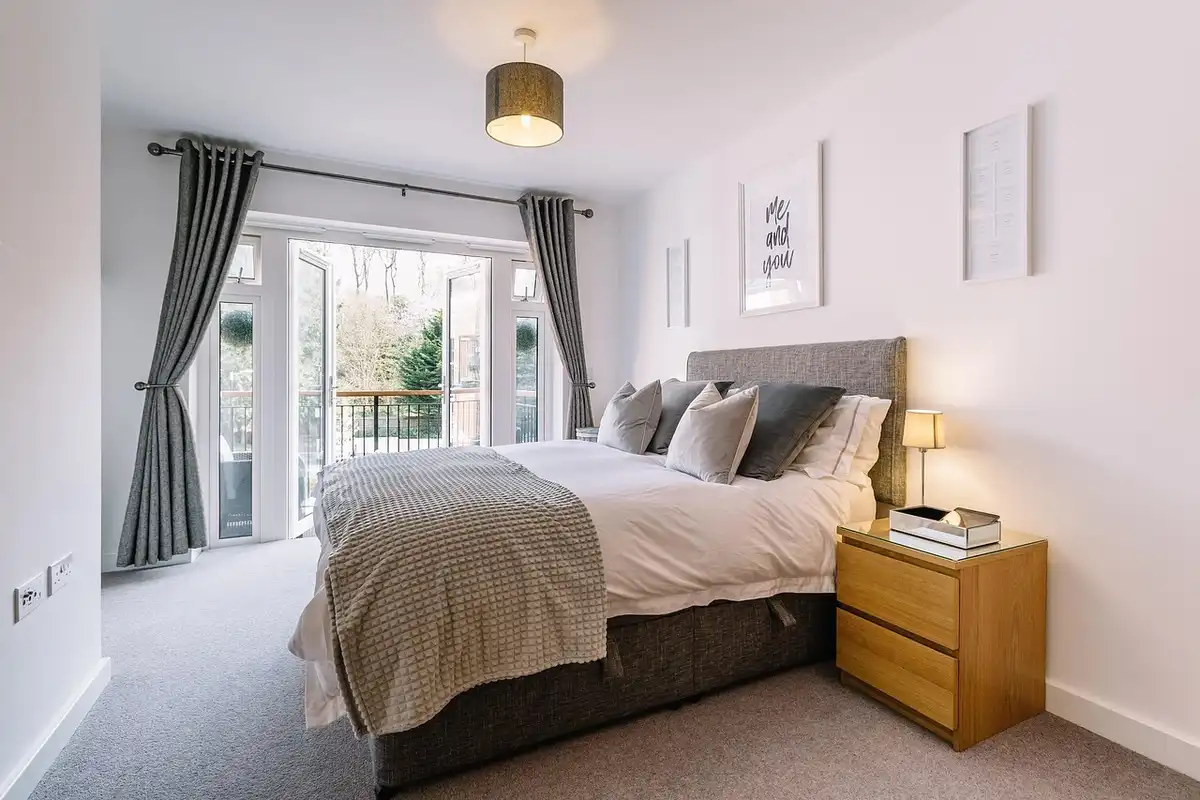
A well-designed bedside table acts as a small piece of architecture. It responds to the bed’s mass, the wall’s height, and the lighting above it. Its form must balance these vertical and horizontal relationships while remaining human in scale. In architectural terms, it mediates between the built environment and daily routine.
Designers often treat the bedside table as a test of spatial logic. The lines, shadows, and joints on a small table can echo the geometry of an entire interior. When crafted with care, it holds the same design discipline as a façade or staircase built on proportion, restraint, and continuity. It teaches that thoughtful design applies equally to the smallest details and to the grandest structures.
The Role of Proportion
Proportion governs every successful piece of furniture, but it is especially visible at the bedside. The table must relate precisely to the mattress height and to the reach of a resting hand. If it’s too tall, it interrupts the view across the room. If it is too low, it loses presence and purpose. Achieving this balance mirrors how architects align floors, windows, and ceilings to maintain spatial harmony.
The bedside table also shapes symmetry. Two identical tables can frame the bed like columns, defining a central axis. In contemporary interiors, asymmetrical layouts can create rhythm and tension. Each approach shows that furniture participates in the architectural language of the room. It reinforces structure and defines how space feels when it is lived in.
Function and Evolution
The bedside table has evolved from a simple platform for a lamp and a book into a multifunctional design element. Modern versions support integrated lighting, wireless charging, and discreet storage. Some merge directly into headboards or wall cladding, becoming part of the room itself.
This evolution reflects a broader architectural movement toward flexibility and integration. In smaller homes, furniture now performs several roles. The bedside table, once an independent object, is part of this new adaptability. It bridges the gap between structure and furnishing, proving that design boundaries can be fluid when guided by intent.
Material Honesty
Material choice defines both the personality and durability of a bedside table. Timber brings warmth and a natural rhythm. Stone and marble suggest permanence and weight. Metal introduces precision and a cool balance. In contemporary interiors, these materials often combine to express contrast and order, rough beside smooth, light beside dark.
Architecturally, this conversation between materials echoes the way entire buildings are composed. A timber drawer front might repeat the grain of the floorboards. A stone top could link visually with a bathroom vanity. Through consistent textures and tones, the bedside table unites the interior into a single composition.
Sustainability now shapes these material decisions. Designers increasingly choose responsibly sourced timber, recycled metals, and natural finishes that age well. A well-made bedside table becomes a statement of ethical practice as much as aesthetic judgment. Its value lies in the honesty of construction and the longevity of the design.
Integration with Space
Built-in bedside tables demonstrate how furniture and architecture can become one language. Floating surfaces, recessed shelves, and wall-mounted units maintain visual lightness while freeing the floor. They support the idea that the most effective interiors are those that appear effortless.
Lighting design strengthens this integration. Hidden LED strips or wall sconces eliminate clutter and reveal the purity of the form. Every element, from surface to handle, contributes to a sense of quiet order. The outcome is not decoration but architectural balance.
These integrated designs also address functionality. In compact rooms, they optimize movement and open sight lines. In larger bedrooms, they extend the horizontal flow of the bed and wall, emphasizing continuity. In both cases, the bedside table defines spatial rhythm and emotional calm.
Emotional Connection
Despite its architectural discipline, the bedside table remains a deeply personal object. It holds the final items a person touches before rest and the first they reach for in the morning. It supports individual rituals such as reading, writing, or reflection. Its top often displays objects of memory or significance.
This intimacy gives the bedside table emotional depth that architecture alone cannot always achieve. It marks the intersection between structure and life. A successful design recognizes this relationship, allowing the object to blend practicality with sentiment. In doing so, it becomes more than furniture. It becomes part of personal experience.
The Power of Restraint
Both architecture and furniture design often achieve beauty through restraint. The best bedside tables are not expressive through ornament but through proportion and precision. They rely on clarity rather than excess. Each line has intent. Each surface serves a purpose.
This discipline aligns with the broader architectural belief that design integrity produces comfort. When form follows function with accuracy, the result feels effortless. The bedside table, at its best, becomes a quiet presence that completes the room without dominating it. It is this understated quality that makes such a small object carry such a large meaning.

A Reflection of Thoughtful Living
The bedside table stands as a reminder that true design excellence depends on thought, not scale. Within its compact form, it embodies the same principles that guide architecture: proportion, material truth, and human connection. It gives structure to private space and meaning to daily life.
It also represents a wider cultural movement toward simplicity and authenticity. As design trends evolve, people continue to seek surroundings that feel grounded and honest. The bedside table, with its blend of function and emotion, fits naturally within that pursuit.
For those who appreciate furniture shaped by this architectural awareness, Australian retailers such as Shopica offer collections that combine proportion, craftsmanship, and material integrity, designed for modern interiors.
Comments on this guide to Bedside table design guide, home bedroom furniture article are welcome.
Bedroom Furniture Advice
Bedroom Furniture Ideas and Rules
Must-have bedroom furniture pieces
image source : pexels.com
Choosing bedroom furniture things to consider
Top 10 Bedroom Furniture Ideas
++
Building Articles
Residential Architecture
Comments / photos for the Bedside table design guide, home bedroom furniture page welcome.