
A Basic Guide to Choosing the Right Roof
29 January 2026
Whether it rains or shines, a roof has to keep the elements at bay. Beyond protection, it also helps regulate temperature, manage airflow, and contribute to the overall look of your property. That is a lot of responsibility for a single part of your home! In addition, beneath the roofing material sits a complex network of components, including ventilation and insulation, that work together to keep your home comfortable and energy-efficient year-round.
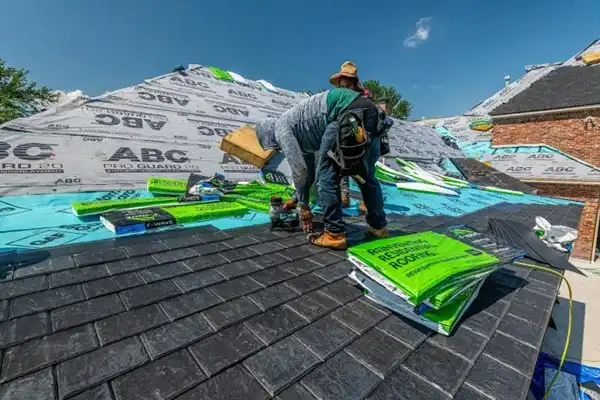
If you are building a house or renovating, you must decide among a wide range of roofing materials and styles. Unfortunately, roofing jargon can be difficult to understand, and it is easy to become overwhelmed by unfamiliar terms and conflicting advice. This guide aims to explain the options and help you choose the right San Diego roofing company to properly install and protect one of the most important systems in your home.
What Are My Roofing Options?
Shingle Roofing
Asphalt shingles are the most common choice for good reason. They are affordable, widely available, and relatively quick to install. Repairs are usually straightforward, and most contractors are familiar with them. While they do not last as long as some premium materials, they are a practical, no-nonsense option for homeowners who want reliability.
Metal Roofing
Metal roofing costs more upfront, but it makes up for it with longevity. It performs especially well in hot climates, heavy rain, and storm-prone areas. Metal roofs also reflect heat more effectively than many other materials, which can help with energy efficiency. If you are planning to stay in your home long-term, this option can pay off over time.
Tile Roofing
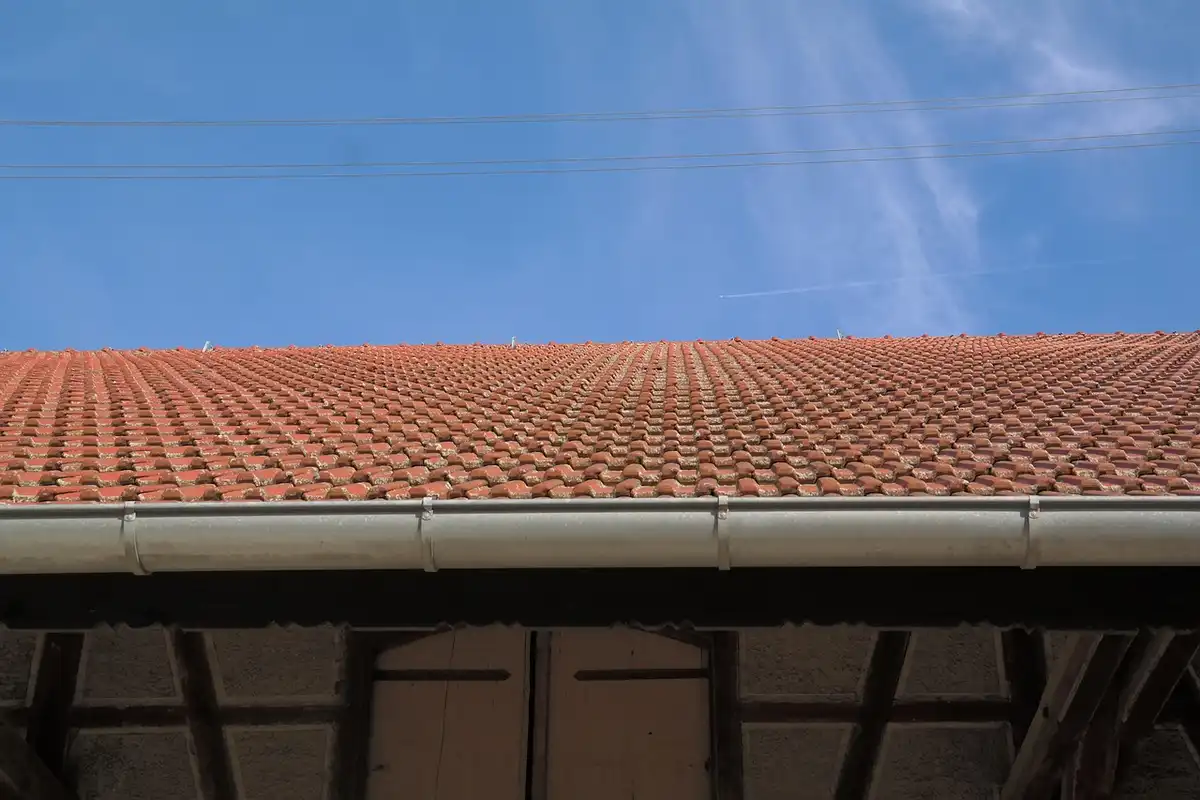
Tile roofs are known for their durability and classic look. They can last for decades, but they are significantly heavier than other materials. Because of that, they work best on homes specifically designed to support the extra weight. Tile also performs best in climates where moisture can dry out rather than remain trapped beneath it.
Slate Roofing
Slate is one of the most durable and visually striking roofing materials available. It can last a lifetime, but it comes with a high price tag and requires specialized installation. Slate is usually chosen for high-end homes or historic restorations where longevity and appearance outweigh cost considerations.
Flat or Low-Slope Roofing
Flat or low-slope roofs are common on modern homes, extensions, and additions. They use different materials than traditional pitched roofs and require careful attention to waterproofing and drainage. These roof installations are more complex and require experienced installers and regular maintenance to perform well.
Other Factors to Consider
Climate and House Design
Heat, humidity, snow, wind, salt air, and even nearby trees all affect how well a roof performs and how long it lasts. A roof that works great in a dry, mild climate may struggle in a hot, humid one. Steeper roofs shed water and debris more easily, while flatter roofs need excellent waterproofing and drainage. The style and structure of your home also limit what materials make sense. This is why choosing a roof simply by looks can backfire.
Lifespan and Warranties
When choosing a roof, you may hear phrases like “30-year roof” or “50-year material,” but those are assuming ideal conditions. Remember that real-world lifespan depends on installation quality, climate, ventilation, and maintenance.
Warranties are another area that can be confusing. Manufacturer warranties usually cover defects in materials, while workmanship warranties cover installation issues. Both types of protection are essential, so review carefully before committing to a contract.
What Lives Under the Roof
Underlayment, flashing, ventilation, and drainage may not be visible from the street, but they are key components that add to the performance and durability of your roof. Ensure your contractor addresses these hidden elements during roof installation to ensure long-term structural integrity and weather resistance.
How to Choose a Roofing Contractor
Choosing the right contractor matters more than most people realize, because even the best materials can fail if they are installed poorly. A professional contractor should be licensed and insured. Licensing ensures they meet local building codes and regulations, while insurance protects you from liability in case of accidents or property damage during the project.
Pay close attention to how the contractor evaluates your roof. A thorough contractor will inspect problem areas such as valleys, edges, flashing points, and ventilation before making recommendations. They will also take the time to explain why they recommend certain materials and how those choices affect your roof’s longevity.
The estimate itself will also tell you a lot about their professionalism. A solid quote is detailed and easy to follow, outlining materials, labor, removal, and any potential repairs. Vague or overly simple estimates can hide surprises later. You should also feel comfortable asking how long the job will take and what will happen if weather or unexpected issues arise.
Conclusion
Roofing feels complicated because most of us only deal with it once or twice in a lifetime. A professional roofing contractor can guide you through the process, so you only need to understand enough to ask good questions and make informed decisions. Take your time, choose materials that suit your home and climate, and work with someone whom you can trust with one of the most important components of your home.
Comments on this guide to A Basic Guide to Choosing the Right Roof article are welcome.
Home Roofing
Roofing Posts
What You Need to Know About Replacing Your Roof
Why consider eco-friendly metal roof installation
10 helpful tips to avoid leaking roofs
++
Homes
Residential Architecture Articles
Comments / photos for the A Basic Guide to Choosing the Right Roof page welcome.


