Top Challenges Facing Urban Planners in Australia: Planning
27 November 2025
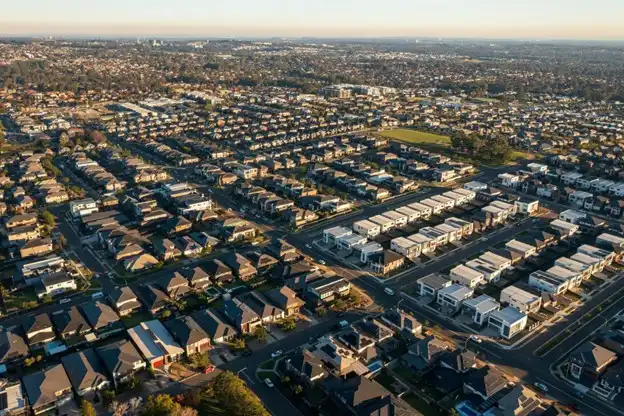
In some professional roles, every decision you make has an impact, even if you don’t see the results for years to come. Urban and regional planning is one of these roles. For urban planners, decisions on where to site a new suburb, how to link it to public transport, or where to locate local parks and schools can impact on how people live, work and interact for generations. The responsibility is empowering but it can also be daunting, especially when every choice seems to come at a cost.
As such, a successful urban planner needs to balance rising population and housing demand, affordability, sustainability and infrastructure investment, and that’s all in a constantly shifting landscape. Trends change, cities develop and mature, and communities protest when plans go awry, meaning that as an urban planner, you have to keep on learning even after you’ve been in the job a few years.
Fortunately, the challenges are also what makes the job so rewarding. So let’s explore some of the biggest hurdles Australian urban planners are facing today. From rising property prices to sustainability concerns, and how you can start thinking about tackling them in your own work.
Preparing for a Career in Urban Planning
Urban planning is a complex profession that aims to develop cities in Australia into sustainable, liveable, and vibrant places. When pursuing a Master of Urban Planning degree you get access to industry-leading knowledge to help you understand the existing planning frameworks and policies. But one of the most valuable lessons you will gain from studying urban planning is the insight on how people interact with their built and natural environments, because, as much as there are rules and regulations, people are unpredictable.
For example, you can begin to understand how small decisions in urban design, such as the location of a bike lane or the orientation of a public park, can make a significant impact on the everyday life of many city dwellers. One of the most exciting yet demanding aspects of urban planning as a career is that each project is unique, and each project site has its own challenges. You may be focused on planning for affordable housing in a new growth suburb one moment, and the next day you’re working on a transportation plan to ease traffic in a central business district.
A good education provides you with the analytical skills and understanding to address the challenge systematically. But the experience on the ground, from talking to residents and businesses, to negotiating with developers and working with budget constraints, helps to build your expertise.
Rising Property Prices
The goal of urban planning should be to make housing accessible to as many people as possible, and a major challenge that planners face is the ever-increasing cost of housing throughout Australia. The cost of housing is projected to rise by 5.6% during 2025, which obviously makes it more difficult to own a home.
This problem is especially pronounced in major population centres like Melbourne and Sydney, where it can sometimes feel impossible for buyers to find a decent place to live that falls within their budget. This has led to a phenomenon where the majority of new developments being built are either large detached homes for those who can afford them or small apartments for most first-time property owners.
The challenge is for urban planners to widen the range of properties available to those looking to purchase a home on a budget. One way to do this is to identify undervalued properties and revamp them to make them attractive living spaces. Another potential solution is to work with government agencies to expand the range of areas where developers are allowed to build residential properties, which can go some way to increasing the supply of housing in Australia’s more crowded areas.
Rising Population
Among the biggest reasons for the increase in property prices we’re witnessing is the rise in population. It’s a basic economic principle that the more demand there is for a good or service (in this case, housing) relative to supply, the more it’s going to cost. Besides the organic growth in population, there are also plenty of investors coming from overseas purchasing multiple local properties, which further raises prices.
Population growth seems to be inevitable, so it’s up to urban planners to come up with creative solutions to ensure that there’s sufficient housing for everyone. An obvious solution would be to increase the level of development of farther-flung areas, which will lift pressure off of Australia’s more densely-packed locales like the central business districts in Melbourne or Sydney. This includes building public transportation, schools and entertainment centres in less heavily populated suburbs to make them more attractive places to live.
Another potential solution is to make changes to the type of housing currently available. This might involve building more apartment buildings or breaking up larger plots of land into multiple livable houses. By coming up with innovative solutions, urban planners can help alleviate the pressure that comes with a rising population.
Lagging Infrastructure
A major roadblock to simply building as many residential areas as the population requires is the lack of infrastructure in more far-flung locales. We’ve already touched on this briefly in the previous section, but building essential infrastructure such as schools, hospitals, and shopping malls is a must to encourage people to move away from crowded population centres.
Another crucial factor to consider is the availability of public transport in the areas where you plan to build housing. Many places that are a good distance away from major cities lack train or tram stations, which makes them less accessible to people who don’t own their own cars. As an urban planner, it’s vital to make sure that you make arrangements for public transport as well.
Urban planning is far more complicated than simply building more residential sites and determining what sort of housing is best for a specific location. Creating inclusive housing solutions also means making sure that essential infrastructure including but not limited to schools, medical centres and public transport are in place.
Sustainability
As time goes on, both the government and the private sector alike are coming to realise the importance of sustainability. Nowhere is this more evident than in urban development. Urbanisation often means building over natural landscapes and agricultural land, which is a tradeoff that every urban planner needs to take into consideration. What’s more, the very act of building new structures has significant effects on the environment, whether that’s in the form of solid waste or carbon emissions.
To lessen the impact of urban development on the environment, urban planning professionals are coming up with creative ways to build sustainably. For instance, many new architectural styles have come about thanks to the increased focus on eco-friendliness, including the use of smart materials and circular building. As an urban planner, it’s crucial to design cities and towns in such a way that minimises their environmental footprint while still keeping them a pleasant place to live for inhabitants.
Making a Real Impact as an Urban Planner
Urban planners are tasked with plenty of responsibility. Not only are they responsible for ensuring that as many people as possible have access to affordable housing, but they also make sure that residential centres fit seamlessly within the wider context of the cities or towns they’re located in.
As you might expect, there are many difficulties involved with urban development. However, if you’re an urban planner, you can also contribute to solving issues that people face on a daily basis and make the country a better place to live. Make sure to understand the biggest challenges in modern Australian urban planning so you can help address them.
Comments on this guide to Top challenges facing urban planners in Australia article are welcome.
Structural Design & Building Construction
Building Structure & Construction Posts
Integrating humans with AI in structural design
Modular Building and Prefabricated Construction
7 Tallest skyscrapers under construction
+=
Buildings
Architecture Articles
Comments / photos for the Top challenges facing urban planners in Australia page welcome.