Investor’s Guide to Spotting Undervalued Properties
post updated 9 October 2026
9 October 2025
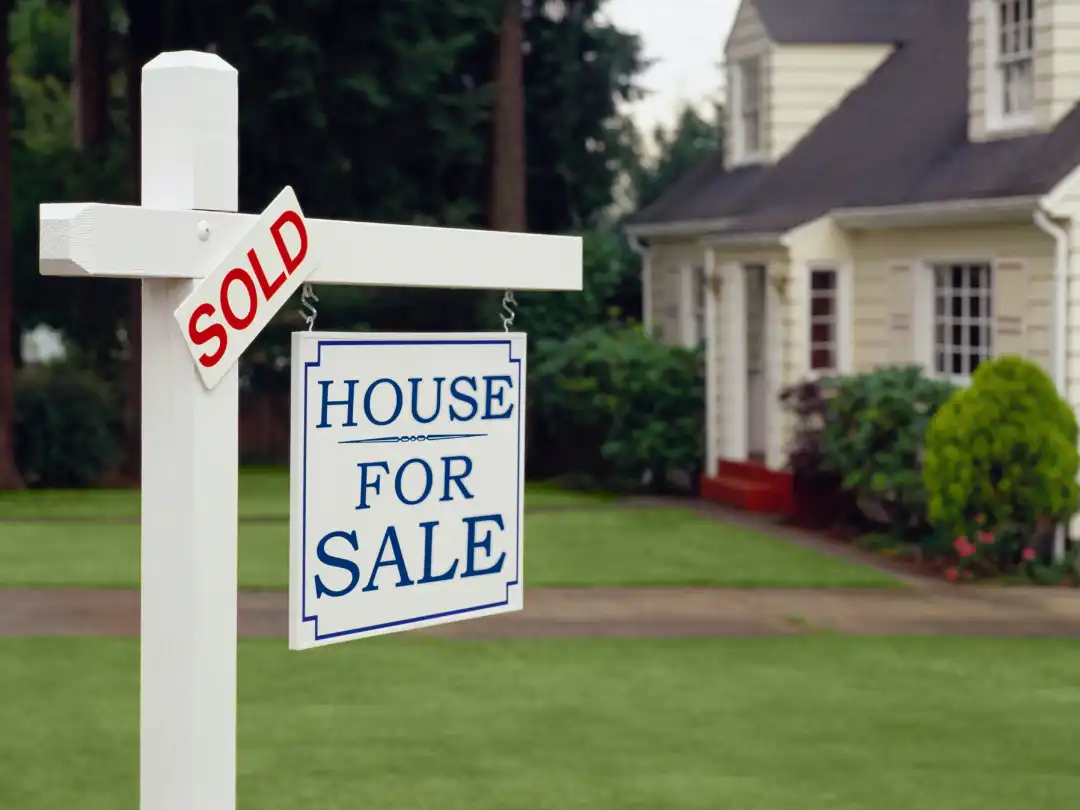
Real estate investing can be highly rewarding, but the most successful investors are those who can identify undervalued properties before the broader market catches on. Buying below market value creates opportunities for strong returns, whether through appreciation, rental income, or resale. However, finding these properties requires a blend of market knowledge, financial analysis, and practical strategies. This guide offers a detailed look at how investors can systematically spot undervalued properties and make smart purchasing decisions.
Understanding What Makes a Property Undervalued
An undervalued property is one that sells for less than its intrinsic or fair market value. This does not always mean it is cheap; rather, it may be overlooked, mispriced, or temporarily out of favour.
Key reasons why properties may be undervalued include:
- Motivated sellers: Owners facing foreclosure, divorce, relocation, or financial distress may accept lower offers to sell quickly.
- Market inefficiencies: Limited exposure, poor marketing, or being listed during off-peak seasons can reduce demand.
- Property condition: Homes needing renovations, cosmetic updates, or repairs may scare off casual buyers, even though improvements could significantly raise value.
- Neighbourhood perception: Areas undergoing change often hold hidden gems, as properties may still be priced according to outdated reputations rather than future potential.
By identifying these situations, investors gain access to opportunities that others may overlook. Working with a local real estate agent can provide valuable insight into these nuances, especially in competitive markets.

Using Market Data to Identify Opportunities
Data-driven analysis is one of the most effective ways to uncover undervalued properties. Instead of relying solely on instincts or word of mouth, investors should focus on measurable indicators.
Some important data points include:
- Comparative Market Analysis (CMA): Evaluates recent sales of similar properties in the area to determine fair market value. If a property is listed well below this benchmark, it may be undervalued.
- Price per square foot: Comparing this metric against neighbourhood averages reveals discrepancies that could indicate undervaluation.
- Time on market: Homes listed significantly longer than others may present negotiation opportunities, especially if the seller is motivated.
- Rental yields: For investment properties, calculating gross and net rental yields can help determine whether the income potential justifies the purchase price.
Technology platforms such as MLS listings, property analytics tools, and government data sources make it easier to gather this information. Savvy investors often combine multiple datasets to spot inconsistencies that signal value.
The Role of Location and Neighbourhood Trends
Even the most affordable property may not be a good investment if it is in the wrong location. Conversely, undervalued properties in growth areas can provide significant long-term gains.
Factors to consider include:
- Economic development: Planned infrastructure projects, new schools, or business investments can increase demand in a neighbourhood.
- Demographic shifts: Areas attracting young professionals, families, or retirees may see faster appreciation.
- Neighbourhood upgrades: Streetscaping, park improvements, and retail expansion often boost property values over time.
- Safety and livability: Crime rate reductions and improved amenities can transform previously overlooked communities.
Investors who research future growth areas before they become widely popular can capitalize on rising demand while property prices are still undervalued.
Practical Ways to Spot Undervalued Properties
Finding undervalued properties is not just about crunching numbers; it requires a strategic approach to the search process.
Here are practical methods:
- Search estate sales, auctions, and foreclosures: Properties sold under financial distress often come below market value, though investors must account for legal and repair costs.
- Network with industry professionals: Attorneys, contractors, and property managers may know about upcoming listings before they hit the market.
- Look for poorly marketed listings: Homes with low-quality photos, vague descriptions, or minimal exposure may be overlooked by most buyers.
- Focus on properties needing updates: Cosmetic renovations like fresh paint, landscaping, or flooring can significantly boost value with minimal investment.
- Explore off-market deals: Direct outreach to owners or using wholesalers can uncover opportunities not visible in public listings.
Persistence is key. The most profitable deals often come from continuous searching, analyzing, and negotiating.
Common Pitfalls to Avoid
While undervalued properties can be lucrative, they also carry risks if not carefully assessed. Some pitfalls include:
- Underestimating repair costs: Renovations can quickly exceed budgets if structural issues or hidden damages are discovered.
- Overvaluing neighbourhood potential: Betting too heavily on future growth without concrete evidence can backfire.
- Ignoring cash flow: Even if a property appreciates, it must generate sustainable income to cover expenses if rented out.
- Emotional decision-making: Buying based on excitement or pressure rather than analysis often leads to poor investments.

Due diligence, including inspections, financial modelling, and legal reviews, helps minimize these risks.
Building a Long-Term Strategy
Spotting undervalued properties should not be a one-time effort. The most successful investors develop a consistent system that allows them to identify, acquire, and scale their portfolios strategically.
Key steps in building a long-term approach include:
- Defining investment goals: Decide whether the focus is on cash flow, appreciation, or a balanced strategy.
- Creating repeatable criteria: Develop a checklist of must-have indicators, such as minimum rental yield or price-to-income ratios.
- Building a professional network: Ongoing relationships with brokers, contractors, lenders, and attorneys provide access to better deals.
- Monitoring market cycles:Real estate markets fluctuate, and being prepared for both downturns and booms helps investors act at the right time.
Over time, this consistency builds a competitive edge, allowing investors to spot undervalued properties more efficiently than casual buyers.
Spotting undervalued properties is both an art and a science. It requires analytical skills, market awareness, and practical strategies that go beyond surface-level assumptions. By leveraging data, watching neighbourhood trends, networking with professionals, and avoiding common mistakes, investors can consistently uncover properties with strong potential.
Ultimately, those who succeed are not simply lucky. They are disciplined, informed, and proactive in their approach. For any investor seeking to build wealth through real estate, mastering the skill of identifying undervalued properties is a powerful advantage.
Comments on this guide to The Investor’s Guide to Spotting Undervalued Properties article are welcome.
Construction and Project Management
Construction and Project Management Posts
Rise of AI in Construction Project Management
Construction business management software
Develop an Effective Project Management Plan
++
Property Articles
Comments / photos for the The Investor’s Guide to Spotting Undervalued Properties advice page welcome.