Asphalt Paving Explained: Costs, Benefits, and Installation Process
4 December 2025
Executive Asphalt paving & sealcoating is one of the most widely used methods for creating durable and functional surfaces, from residential driveways to commercial parking lots and public roads.
Its popularity stems from its affordability, resilience, and ability to provide a smooth finish that enhances both safety and aesthetics. For property owners considering asphalt paving, understanding the costs, benefits, and installation process is essential to making an informed decision. This guide explores each of these aspects in detail, offering a comprehensive overview of why asphalt paving remains a preferred choice across different applications.
Understanding Asphalt Paving
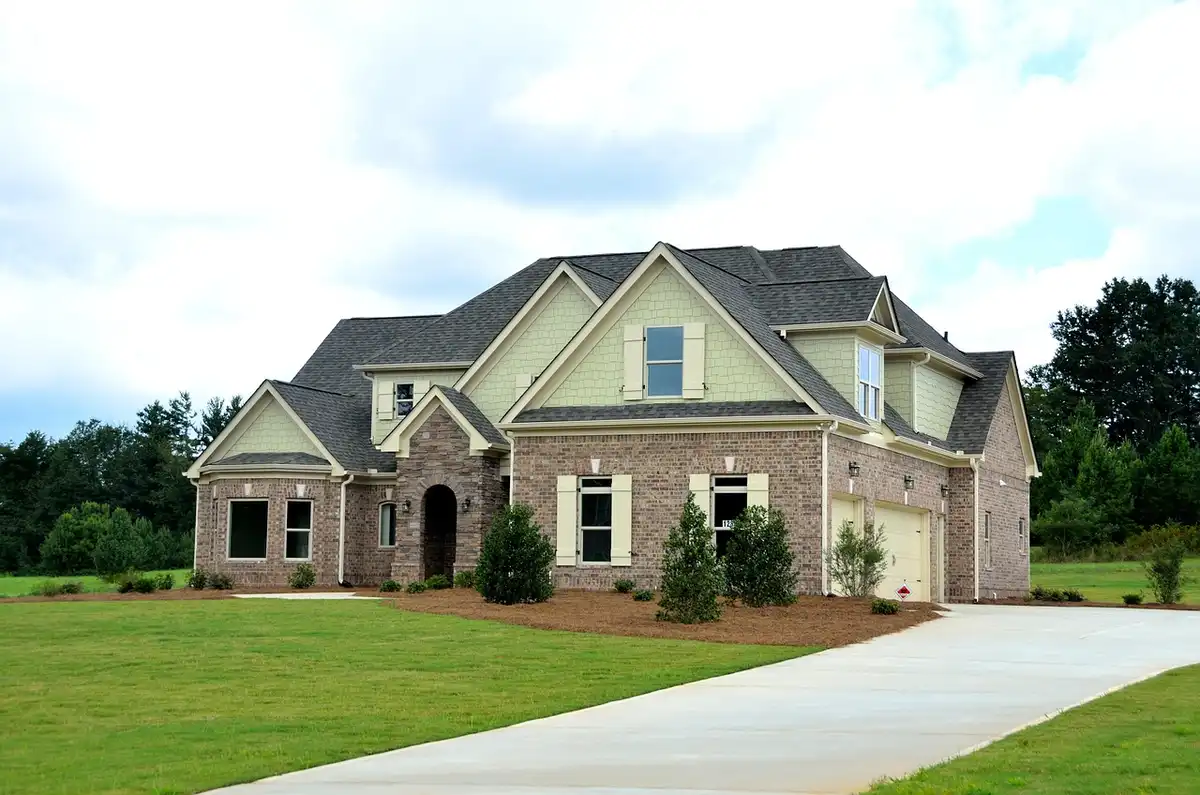
Asphalt paving involves the application of a mixture composed of aggregates, binder, and filler to create a strong, flexible surface. The process begins with preparing the site, ensuring proper grading and drainage, followed by laying a base layer that supports the asphalt.
Hot asphalt is then applied and compacted to form a smooth, durable surface. Asphalt is particularly valued for its ability to withstand heavy traffic and varying weather conditions, making it suitable for both residential and commercial use. Its flexibility allows it to adapt to minor ground movements, reducing the risk of cracks compared to more rigid materials like concrete.
Costs of Asphalt Paving
The cost of asphalt paving varies depending on several factors, including the size of the area, the thickness of the asphalt layer, the quality of materials used, and local labor rates. On average, residential driveways may cost less per square foot compared to commercial projects, which require thicker layers and more extensive preparation.
While asphalt is generally more affordable than concrete, property owners should also consider long-term maintenance costs. Sealcoating, crack repairs, and resurfacing are part of the upkeep, but these expenses are relatively minor compared to the cost of full replacement. Overall, asphalt paving offers a balance between upfront affordability and long-term value, making it a cost-effective choice for many property owners.
Benefits of Asphalt Paving
One of the most significant benefits of asphalt paving is its durability. Properly installed asphalt can last for decades with regular maintenance, providing a reliable surface for vehicles and pedestrians. Its smooth finish enhances safety by reducing tripping hazards and offering better traction for vehicles. Asphalt also has aesthetic advantages, as its dark, uniform appearance creates a clean and polished look that complements both residential and commercial properties.
Another benefit is its quick installation process, which minimizes disruption for homeowners and businesses. Asphalt surfaces are also relatively easy to repair, with cracks and potholes being fixable without requiring complete replacement. Additionally, asphalt is environmentally friendly, as it is fully recyclable and often reused in new paving projects, reducing waste and conserving resources.
The Installation Process
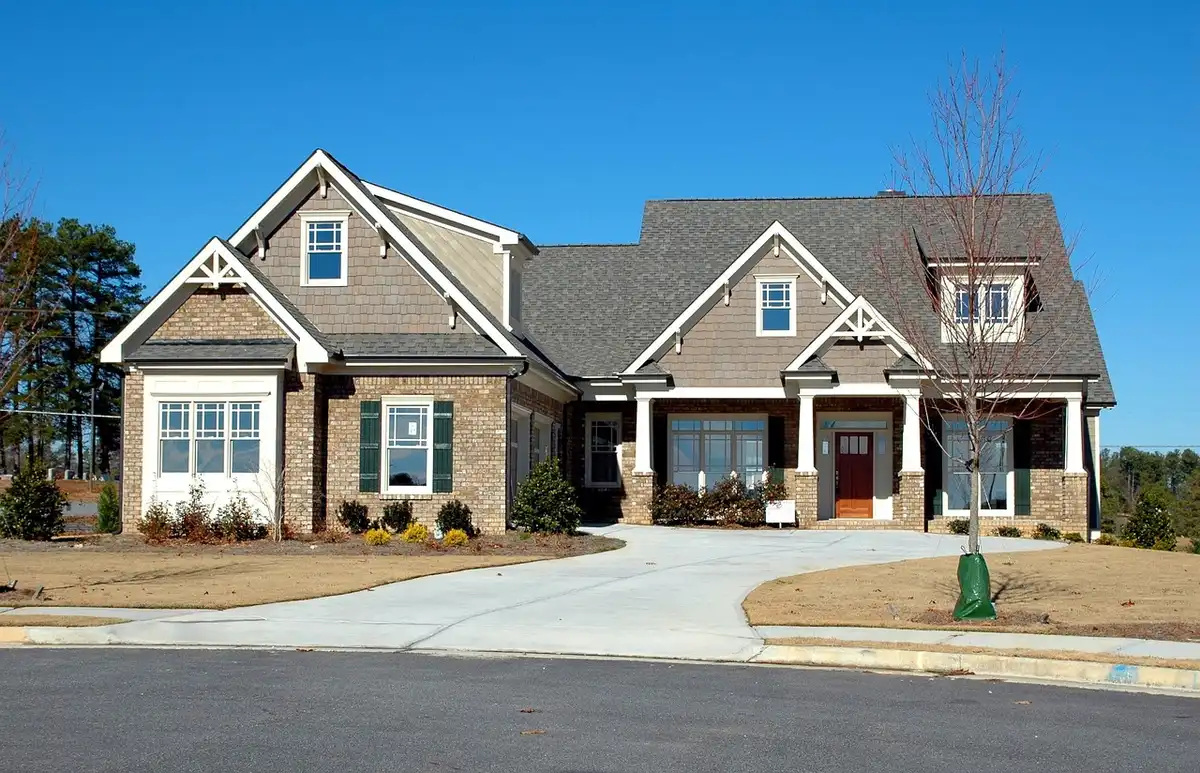
The installation of asphalt paving involves several critical steps that determine the quality and longevity of the finished surface. The process begins with site preparation, which includes clearing the area of debris, grading the soil, and ensuring proper drainage to prevent water damage. A strong base layer is then laid, typically composed of crushed stone or gravel, which provides stability and support for the asphalt.
Once the base is compacted, hot asphalt is applied in layers and spread evenly across the surface. Heavy rollers are used to compact the asphalt, ensuring a smooth and uniform finish. The final step involves allowing the asphalt to cure, which usually takes a few days before the surface is ready for regular use. Proper installation is crucial, as shortcuts or poor workmanship can lead to premature deterioration, cracks, and potholes.
Maintenance Considerations
While asphalt paving is durable, it requires regular maintenance to maximize its lifespan. Sealcoating is one of the most important maintenance steps, as it protects the surface from UV rays, water, oil, and chemical damage. Sealcoating also restores the rich, dark color of the asphalt, keeping it looking new.
Cracks should be repaired promptly to prevent water infiltration, which can weaken the base and cause structural damage. Periodic resurfacing may also be necessary for heavily used areas, ensuring the surface remains smooth and safe. By adopting a proactive maintenance strategy, property owners can extend the life of their asphalt surfaces and reduce long-term repair costs.
Conclusion
Asphalt paving offers a practical, cost-effective, and durable solution for residential and commercial properties. Its affordability, quick installation, and long-term resilience make it a preferred choice for driveways, parking lots, and roads.
Understanding the costs involved, the benefits it provides, and the installation process helps property owners make informed decisions that protect their investment. With proper installation and regular maintenance, asphalt paving delivers a smooth, attractive, and long-lasting surface that enhances both functionality and curb appeal. For anyone considering a new driveway or parking lot, asphalt paving remains one of the most reliable and valuable options available today.
Comments on this guide to Asphalt paving costs, benefits, and installation for omeowners article are welcome.
Driveways
Asphalt Paving and Driveways
Best types of paving for driveways and walkways
Best asphalt paving companies in Washington State
Asphalt Paving And Why It’s a Preferred Choice
++
Building Articles
Residential Architecture
Comments / photos for the Asphalt paving costs, benefits, and installation page welcome.