
Evergreen curb appeal: why artificial grass is the secret to a perfect year-round lawn
3 March 2026
Drive through any neighborhood in midsummer, and you’ll spot them immediately — the lawns that look like a golf course regardless of the weather, the drought, or how busy the homeowner is. Chances are, those lawns aren’t real grass. Artificial turf has quietly become one of the smartest investments a homeowner can make, and for good reason. It looks lush in January, it looks lush in August, and it never needs mowing, watering, or fertilizing. If you’ve been wondering whether synthetic grass is worth it, the short answer is yes — especially when curb appeal and long-term value are the goal.

What makes artificial grass so good for curb appeal
Natural grass is essentially a living thing that needs constant attention to stay presentable. Miss a few watering days during a heat wave, and brown patches spread fast. Skip one mowing, and the whole front yard looks neglected. Artificial turf removes that unpredictability entirely.
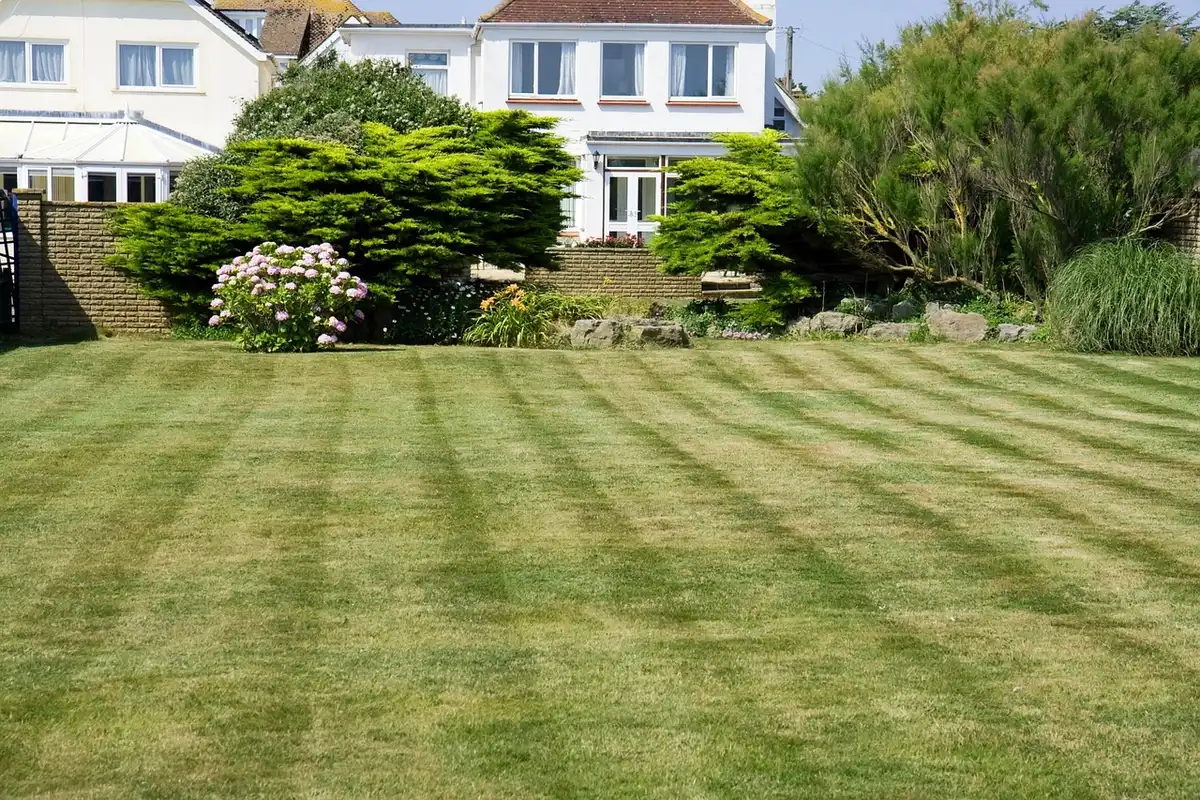
The visual consistency it provides is something real grass simply can’t match. Synthetic lawns hold their color and texture through every season — no dormancy in winter, no scorching in summer. For homeowners who care about how their property looks from the street, that reliability is genuinely valuable.
There’s also the question of installation quality. Working with experienced artificial turf installers makes a significant difference in how the final result looks and holds up over time. Poor installation — uneven base, visible seams, improper drainage — will ruin the aesthetics no matter how good the turf itself is. A well-installed synthetic lawn, on the other hand, is nearly indistinguishable from premium natural grass at a glance.
The year-round advantage: season by season
Spring
Real lawns in spring are a mixed bag — patchy recovery from winter, mud near the edges, and weeks of mowing ahead. Artificial grass comes through spring looking exactly as it did in the fall. No waiting for it to “fill in.” No reseeding bare spots.
Summer
This is where synthetic turf really earns its keep in most of the US. Water restrictions, high temperatures, and dry spells turn natural lawns yellow fast. Artificial grass stays green without a single drop of irrigation. For states like California, Texas, or Arizona, that alone justifies the switch.
Fall and winter
Leaves still fall, but they’re easy to blow off or rake. There’s no mud tracked indoors from a soggy lawn, and the grass doesn’t die back or go dormant. Even in snow, synthetic turf bounces back to its original appearance once the weather clears.
What artificial grass actually costs (and saves)
A lot of people hesitate when they hear the upfront cost of artificial turf. Installation typically runs between $8 and $20 per square foot depending on the turf quality, the size of the project, and site preparation needs.
But consider what you stop spending:
- Water bills (lawns can use 50–70 gallons per square foot annually)
- Lawn care services or equipment maintenance
- Fertilizer, pesticides, herbicides
- Reseeding and sod replacement after damage or drought
Most homeowners recoup the investment within five to eight years. After that, it’s pure savings — and the lawn still looks perfect.

The role of proper site preparation
One thing that gets overlooked in most artificial grass conversations is what happens underneath the turf. The base determines everything: drainage, stability, longevity, and how flat and natural the surface looks.
This is where a company like concrete foundation contractor “Site Prep” becomes relevant — not every artificial turf project is a simple soil-and-gravel job. Properties with drainage issues, uneven terrain, or existing hardscape complications often need professional ground preparation before any turf goes down. Skipping that step leads to pooling water, uneven surfaces, and turf that shifts or buckles over time.
A properly prepared base typically involves:
- Removing existing grass and organic material;
- Grading the soil for proper drainage;
- Compacting a crushed aggregate base (usually decomposed granite or crushed rock);
- Installing a weed barrier fabric;
- Securing the turf edges and infill.
Each of these steps affects the end result. Rushing through them — or hiring someone without experience — is one of the most common reasons synthetic lawns fail to look or perform as expected.
Choosing the right turf for your home
Not all artificial grass is the same. The pile height, blade shape, color variation, and infill material all affect how realistic and comfortable the lawn feels.
For front yards focused on curb appeal, a mid-pile turf (around 1.5 to 2 inches) with natural color variation — different shades of green plus some tan “thatch” fibers — tends to look the most realistic from the street. Avoid anything with a single flat color or overly long blades that flatten quickly under foot traffic.
For backyard spaces where kids or pets will use the lawn regularly, durability and drainage capacity matter more than pure aesthetics. Perforated backing and the right infill (silica sand, crumb rubber, or a combination) help the surface handle heavy use without deteriorating.
Common concerns — and honest answers
“Does it get too hot?” Yes, in direct summer sun, synthetic turf can get noticeably warm. This is real and worth knowing. Shaded areas stay cooler, and some turf products are made with heat-reducing technology. Watering it briefly before use on hot days also drops the temperature quickly.
“Does it look fake up close?” Lower-end products do. Quality turf with multi-tone blades and a realistic thatch layer looks convincingly natural at any distance.
“How long does it last?” Most quality synthetic lawns last 15–25 years with basic maintenance. The main threats are heavy UV exposure over time and physical damage from sharp objects.
“Is it pet-friendly?” Yes, and actually it handles pets better than real grass in many ways. No digging holes, no yellow burn patches from urine (with proper drainage), and no muddy paws after rain.
The bottom line on curb appeal
Curb appeal is one of the few home improvements that pays off both while you live there and when you sell. A consistently green, well-maintained-looking lawn signals that the property is cared for — which matters to visitors, neighbors, and future buyers alike.
Artificial grass delivers that signal reliably, without the effort or expense of maintaining real turf. When installed correctly on a solid base, it’s genuinely hard to tell the difference — and the lawn looks just as good in February as it does in June.
For homeowners who are tired of fighting their lawn through every season, synthetic turf isn’t a compromise. It’s an upgrade.
Comments on this guide to Lawn care insights on snow and ice impact article are welcome.
Property Lawn Care
Lawns Posts
DIY lawn care plan that is easy to maintain
How to Properly Take Care of Your Lawn
Avoid typical mistakes in lawn care
++
Home Gardens and Landscape Designs
Contemporary Property Articles – architectural selection below:
Comments / photos for the Lawn care insights on snow and ice impact page welcome.
