Architecture in the Rockies: Designing with Altitude and Climate
post updated October15, 2026
October 15, 2025
Designing in the mountains presents challenges and opportunities that flatland settings rarely encounter. For any Aspen architecture firm, the Rocky Mountain landscape offers a unique canvas shaped by elevation, weather, and natural beauty. Architecture in this region must respond not only to site and client but also to the character of the place itself.
Respecting the Terrain
Topography is not something to be flattened or ignored. Mountain sites often involve steep slopes, exposed rock, and dense forest. Designing for this kind of terrain requires careful study. Every project begins with a deep understanding of the land: where the sun rises, how water flows, how winds move through the site.
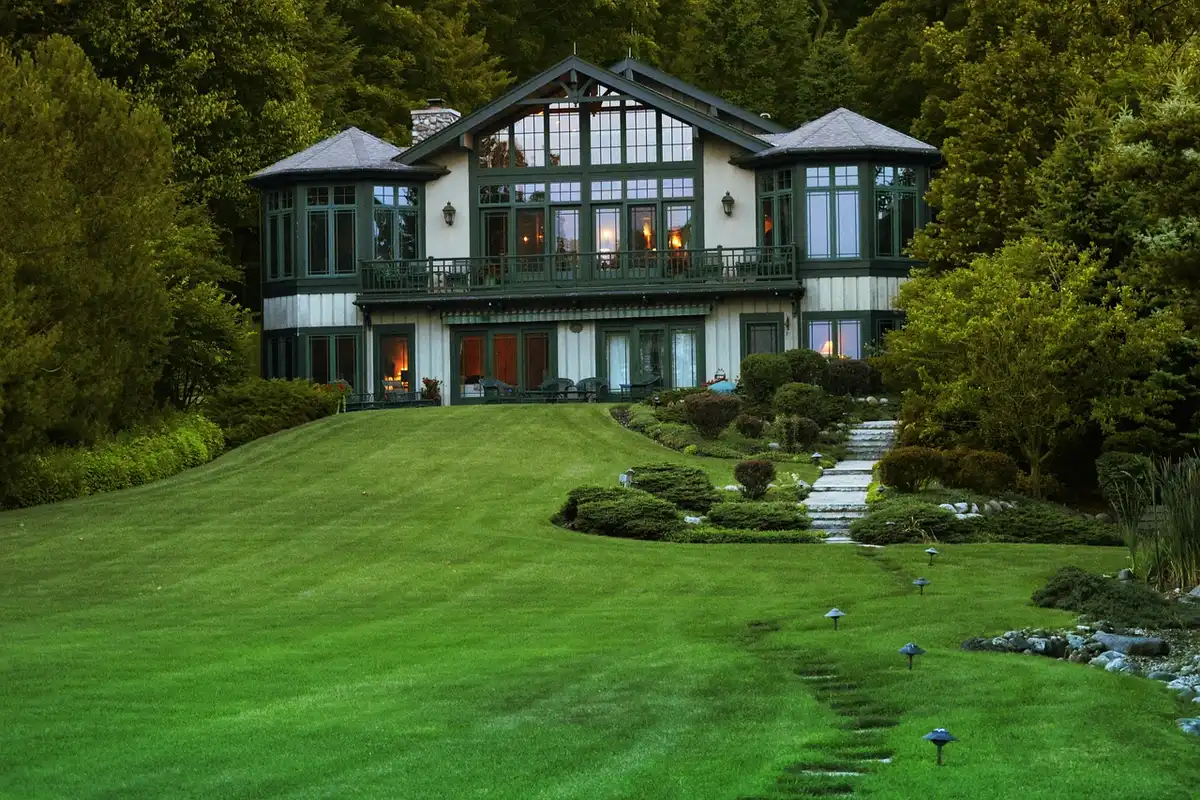
Rather than fighting the terrain, thoughtful architecture adapts to it. This might mean tucking a structure into a hillside or orienting living spaces to capture the best light. Retaining the site’s natural features not only protects the environment but also gives the home a sense of belonging.
Embracing the Climate
High-altitude climates bring a mix of sun, snow, wind, and rapid temperature shifts. A building in Aspen might experience intense solar gain during the day and freezing temperatures at night. These conditions call for smart passive design strategies.
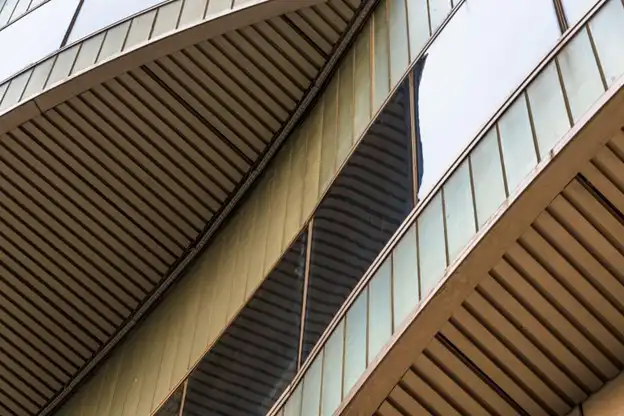
Large overhangs shield interiors from summer sun while allowing winter light to warm the space. High-performance glazing preserves views without sacrificing efficiency. Materials must endure snow, ice, and freeze-thaw cycles, making durability as important as aesthetics.
Natural ventilation, thermal mass, and site orientation all play a role in reducing energy use. The goal is not only comfort but also long-term sustainability. A well-designed mountain home becomes part of its environment rather than a burden to it.
Local Materials and Lasting Character
Mountain architecture often draws from a palette of natural materials: wood, stone, metal, and glass. These elements connect the building to its setting. Using local materials reduces environmental impact and gives each project a sense of place.
Stone foundations anchor buildings into the earth. Timber framing echoes the surrounding forest. Metal roofs handle snow loads and weather gracefully. These choices are not simply aesthetic. They reflect local craft traditions and environmental realities.
Such materials also age well. A wooden facade that weathers with time or a stone wall that carries moss creates a story over decades. This timelessness suits the landscape and the lifestyle of mountain communities.
Designing for Views and Privacy
In a place like Aspen, views matter. Whether looking out toward a mountain ridge or down a wooded valley, framing the landscape becomes part of the architectural act. Yet mountain homes also need privacy, especially when clustered on scenic ridges or accessed by narrow drives.
Design solutions often include layered site planning. Public and private spaces unfold as the occupant moves through the home. Outdoor rooms, covered terraces, and framed openings provide moments of connection without overexposure.
Balancing openness with shelter is part of mountain living. Good design invites the landscape in while protecting comfort and solitude.
Living with the Land
Architecture in the Rockies is as much about restraint as it is about expression. It asks architects to observe before they draw, to listen before they design. The landscape is not a blank page but a partner in the creative process.
Homes built with this mindset feel grounded. They do not dominate their sites; they emerge from them. This relationship between building and place enriches daily life. It means waking up with the light, watching storms move across the peaks, and feeling connected to a larger rhythm.
A Regional Ethos
What sets apart an aspen architecture firm is not only experience but also ethos. Designing for altitude, climate, and terrain requires more than technical skill. It demands care. It demands curiosity about local history and culture. It demands attention to the fine balance between shelter and openness.
In mountain towns, the most admired buildings are often those that feel like they have always belonged. They respect their surroundings, support sustainable living, and offer quiet beauty. This is the aspiration of architecture in the Rockies: to build not just for today, but for generations to come.
In the end, designing with elevation means more than measuring height above sea level. It means thinking clearly, building wisely, and creating spaces that honor both people and place.
Comments on this guide to Architecture in the Rockies, USA, designing with altitude and climate – Colorado architects firm article are welcome.
Windows
Windows Posts
Buying new window treatments for your home
5 creative uses of glass in architecture
7 reasons why you should replace your old glass windows
++
Architecture Designs
Home Designs
Comments / photos for the US Rockies architecture altitude and climate – Colorado architects office page welcome