Architectural Upgrades Going Beyond Visual Appeal
post updated 11 July 2026
A Closer Look at Some Architectural Upgrades That Go Beyond Visual Appeal
Architecture is often appreciated for its form, style, and the way it transforms physical space into something memorable. But beyond surface beauty, the most lasting value lies in the practical improvements that make structures stronger, safer, and more efficient. Some architectural upgrades are quiet powerhouses, less visible, yet instrumental in improving how buildings perform in everyday use. These refinements reflect not just design trends, but a deeper understanding of what people need from the spaces they live and work in. Whether building new or renovating old, these adjustments often bring enduring benefits that reach far past the cosmetic.
22 July 2025
Roofing with Purpose: How Modern Techniques Improve More than Just Looks
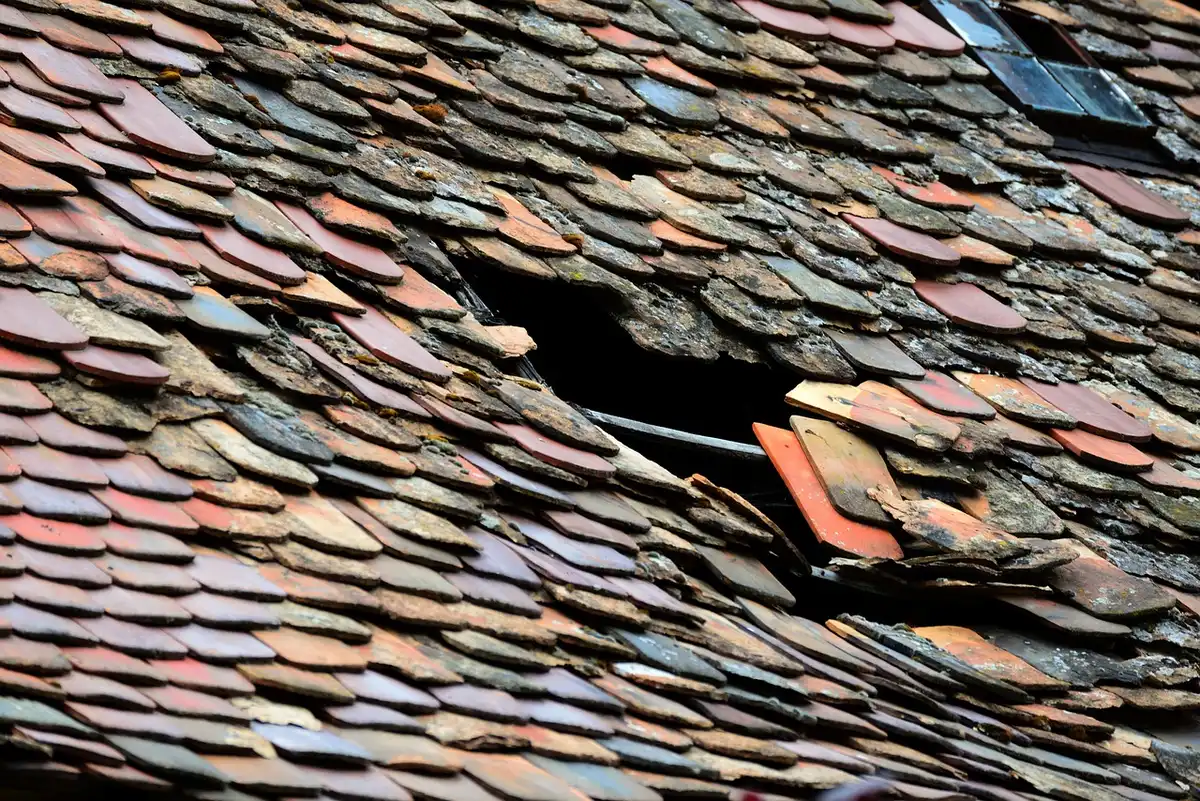
The roof of a home or commercial building often sets the tone visually, but it plays a critical role far beyond aesthetics. Advances in roofing materials, insulation systems, and drainage solutions have led to longer-lasting protection and greater interior comfort. Today’s roofs are engineered to withstand increasingly unpredictable weather patterns, maintain internal temperatures, and reduce energy use through reflective coatings or integrated ventilation layers. The emphasis has shifted toward performance and sustainability.
Experts like Bryan Dennis Roofing and Construction – www.bryandennisroofingtn.com – provide a compelling example of how roofing has moved beyond basic shelter. Their approach integrates energy-efficient systems and precision installation techniques, extending the life of the structure while improving the experience of those inside. Whether using metal, composite, or high-grade shingles, this commitment to smart roofing translates into cost savings, fewer repairs, and higher resale value. Rather than just a cover overhead, the modern roof becomes a central part of a building’s performance ecosystem.
Windows That Do More Than Let in Light
The windows of a building do more than frame the outside view. With advanced technologies and smarter materials, they can now influence energy use, sound insulation, and security. Double- and triple-glazed windows, low-emissivity coatings, and thermally broken frames have turned ordinary windowpanes into active components in thermal regulation. These features reduce heating and cooling demands by minimizing air transfer between inside and outside environments.
Beyond temperature control, upgraded windows can limit noise from busy streets, protect furnishings from UV damage, and offer increased resistance to forced entry. Smart glass options go a step further by adjusting transparency based on light levels or user preference, helping control glare and privacy in real time. By choosing high-performance windows, property owners invest in both comfort and durability. They no longer need to sacrifice design for function, as many modern models come in diverse styles and finishes that match traditional or contemporary architecture.
Insulation That Thinks Ahead
Insulation has traditionally been about keeping warm air in during winter and hot air out during summer. While this remains true, the science of insulation has expanded to include moisture control, indoor air quality, and environmental responsibility. New materials like spray foam, cellulose, and mineral wool are not only better at regulating temperature, but also prevent mold, reduce allergens, and resist fire.
These smart insulation solutions respond to different building types and regional climates, improving HVAC efficiency and extending the life of other structural components. They are also an integral part of energy certification programs, often determining whether a building qualifies for tax benefits or sustainability ratings. As codes evolve and energy standards tighten, well-planned insulation becomes a proactive feature that contributes to a building’s long-term success.
Lighting Systems That Balance Efficiency and Comfort
Lighting has shifted from mere illumination to a dynamic tool that shapes mood, supports productivity, and cuts down on power use. LED technology paved the way, offering lower energy consumption and longer life spans. But the next phase involves adaptive lighting systems that adjust brightness and color temperature according to the time of day, occupancy, or natural light conditions. These systems mimic natural circadian rhythms, helping users feel more alert during the day and more relaxed in the evening.
Architects and designers now integrate lighting systems directly into the structure, with recessed fixtures, linear channels, and cove lights that blend into ceilings or walls. This not only reduces visual clutter but also provides consistent illumination throughout a space. Lighting controls, whether through motion sensors or mobile apps, add flexibility and reduce waste. In commercial buildings, daylight harvesting techniques help monitor and optimize usage by automatically responding to sunlight levels. Thoughtfully integrated lighting makes spaces more livable and inviting without demanding more from the environment.
HVAC Upgrades That Deliver More Than Airflow
Heating, ventilation, and air conditioning systems are often taken for granted until they stop working. But the new generation of HVAC equipment is quieter, more responsive, and considerably more efficient. Zoned systems let users customize temperatures for individual rooms, avoiding energy loss in unused areas. Variable-speed motors and smart thermostats adapt to real-time needs, maintaining comfort with minimal strain on the system.
Better HVAC design also supports indoor air quality. Advanced filtration systems remove particulates, pollen, and pollutants, making the air inside healthier for everyone, especially those with respiratory concerns. Fresh air exchange systems prevent stale air buildup, while humidity controls maintain balance across seasons. These upgrades aren’t flashy, but they directly affect well-being and utility costs. They reflect an understanding that comfort isn’t only about temperature, but also about purity, circulation, and control.
Foundational Work That Strengthens and Stabilizes
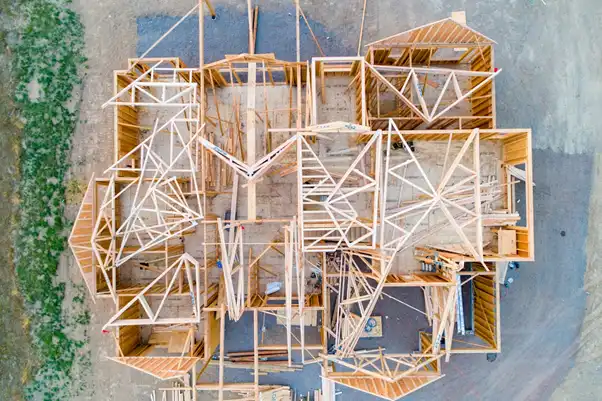
Structural upgrades at the foundation level might be the least visible but are among the most impactful. Soil shifts, water seepage, and age can compromise a foundation over time, leading to uneven floors, cracks in walls, or worse. Reinforced footing systems, moisture barriers, and drainage channels are increasingly standard in both new construction and retrofitting.
Today’s materials and engineering techniques help distribute loads more evenly and resist environmental stressors. Vapor barriers, for example, reduce the chance of mold and wood rot by blocking ground moisture from entering basement walls. Piering systems can correct settling issues, lifting buildings back into proper alignment without tearing them apart. These upgrades go unnoticed when everything works well, but they play a central role in keeping a structure safe and standing for generations. Investing here minimizes risk and protects all other upgrades from damage.
Doors That Work Harder Than They Look
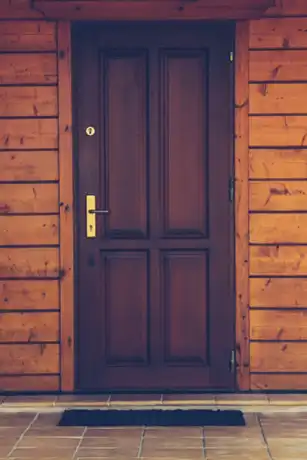
Modern doors have moved far beyond their role as entry points. Materials like fiberglass, engineered wood, and insulated steel now combine strength, insulation, and style into a single product. A well-upgraded door can improve energy retention, block sound transmission, and deter forced entry, without sacrificing visual appeal. These doors often come pre-fitted with integrated weatherstripping and multi-point locking systems that strengthen the perimeter of the building.
Interior doors have evolved as well. Sliding barn-style options save space in tighter layouts, while pocket doors provide privacy without needing swing clearance. Hollow-core models are being replaced with solid or semi-solid options that resist warping and absorb sound more effectively. Whether it’s for thermal performance or acoustic control, upgraded doors support both security and livability in ways often overlooked during the design process.
Smart Home Systems That Quietly Transform Functionality
Technology now plays a central role in how homes and commercial spaces operate, with integrated systems providing oversight over everything from security to energy use. Smart thermostats learn usage patterns and adjust climate controls without manual input. Security cameras and sensors link directly to mobile devices, offering peace of mind with real-time monitoring. Voice-activated assistants allow users to operate lighting, locks, and appliances with a simple command.
These systems often come built into the architecture rather than as add-ons, which increases reliability and integration. Hardwired hubs, discrete wall panels, and sensor-based automation help the building operate efficiently without requiring ongoing attention. What once felt futuristic is now standard in many upgraded spaces. Quietly working behind the scenes, smart systems give property owners more control while cutting down on waste, time, and unexpected maintenance.
Exterior Cladding That Does More Than Protect
Cladding serves as the first line of defense between a building and the outside world. Beyond its contribution to visual character, its role in protecting the structure from moisture intrusion, temperature swings, wind pressure, and impact damage is critical. Over the years, traditional wood siding and stucco have been joined by more advanced materials like fiber cement, metal panels, engineered wood, stone veneer, and high-pressure laminates. These newer options are designed not only to withstand harsh conditions, but to do so with minimal upkeep and long-term consistency in color, shape, and texture.
Fiber cement boards, for example, resist rot, termites, and fire, while offering the appearance of natural wood grain or masonry. Metal cladding, often aluminum or steel, provides superior impact resistance and is now manufactured with high-performance coatings that reduce corrosion and fading over time. Engineered wood products, treated to resist moisture and fungal growth, offer a warmer, more natural look without the maintenance demands of traditional timber. Each of these materials contributes to the building’s resilience by preventing water intrusion and reducing thermal bridging, the process by which heat escapes through poorly insulated materials.
Many modern cladding systems incorporate rainscreen technology, which includes an air gap behind the cladding that allows moisture to drain and air to circulate. This helps prevent mold growth and decay by reducing the risk of trapped water and condensation. At the same time, breathable membranes behind the exterior surface help maintain pressure balance and protect internal wall assemblies from long-term degradation. These elements work together as a multi-layered envelope that performs quietly but constantly to preserve the building’s integrity.
Garage Spaces That Adapt to Modern Living
Garages have long been utilitarian spaces, but modern upgrades have reimagined them as adaptable zones that serve more than just vehicle storage. Insulated garage doors, better ventilation systems, and polished concrete or modular flooring options now make garages suitable for a wider range of uses, from home gyms to workshops and flex spaces. The materials used here must endure temperature swings, humidity, and frequent movement, making quality upgrades even more significant.
New garage door openers can now be controlled via smartphone apps, offering alerts, remote access, and integration with broader smart home systems. Built-in cabinetry and vertical storage solutions help declutter and optimize the space for function. Lighting upgrades and electrical outlets with higher amperage support modern tools and electric vehicle charging. These changes often go unnoticed from the curb, but they make a strong impact in daily use.
Gutters and Drainage That Guard the Whole Building
Drainage systems may not draw much attention, but their influence extends to nearly every part of a building’s health and stability. Without a well-designed plan to manage water, structures face long-term risks that include wood rot, mold, basement flooding, soil erosion, and even foundation shifting. Gutters, downspouts, and grading play a quiet yet critical role in directing water safely away from roofs, walls, and footings. Over time, these elements can either protect or erode the integrity of an entire structure, depending on how well they perform.
Modern gutter systems have evolved beyond the traditional sectional models that often leak at the seams. Seamless aluminum or copper gutters reduce failure points and provide a clean, streamlined look that complements the building’s exterior. Larger gutters with expanded downspout openings handle increased water flow from intense storms, an increasingly common concern in many regions. Splash blocks and underground drainage piping carry runoff farther away from the foundation, preventing soil saturation and pressure buildup that can lead to cracking or movement in the structural base.
For homeowners in wooded or debris-prone areas, gutter guards have become a practical addition. These mesh or perforated covers help keep leaves, twigs, and other obstructions out of the channel, minimizing clogs and reducing the need for frequent cleanouts. In climates with snow and ice, heated gutter systems and snow guards can prevent dangerous ice dams that cause water to back up under roofing materials. Together, these upgrades support a more efficient drainage network that functions consistently in every season.
Architecture continues to evolve not just in how it looks, but in how it performs. Upgrades that were once seen as optional or purely aesthetic now offer measurable benefits in terms of longevity, efficiency, comfort, and safety. From roofing and insulation to lighting and HVAC systems, each improvement carries more weight than meets the eye. These refinements reflect a smarter way of building, where beauty and utility work together, quietly reshaping what we expect from the spaces we inhabit. The strongest impact often comes from the changes you don’t see but feel every day.
Comments on this guide to Architectural upgrades that go beyond visual appeal article are welcome.
Roofing Articles
Roofing Posts
Insulation Options for Your Roof
+++
Property Design
Contemporary Property Designs – recent architectural selection from e-architect below:
Comments / photos for Architectural upgrades that go beyond visual appeal page welcome