Architectural Changes That Add Value To A Home
post updated 8 July 2026
7 August 2025
Improving your home is not just about aesthetics; it is about making strategic upgrades that boost both functionality and market value. Whether you are planning to sell soon or simply want to invest in your property for the long term, the right architectural changes can offer significant returns. This guide takes a practical, fact-based approach to identifying which improvements are most likely to pay off.
1. Open Concept Layouts for Modern Living
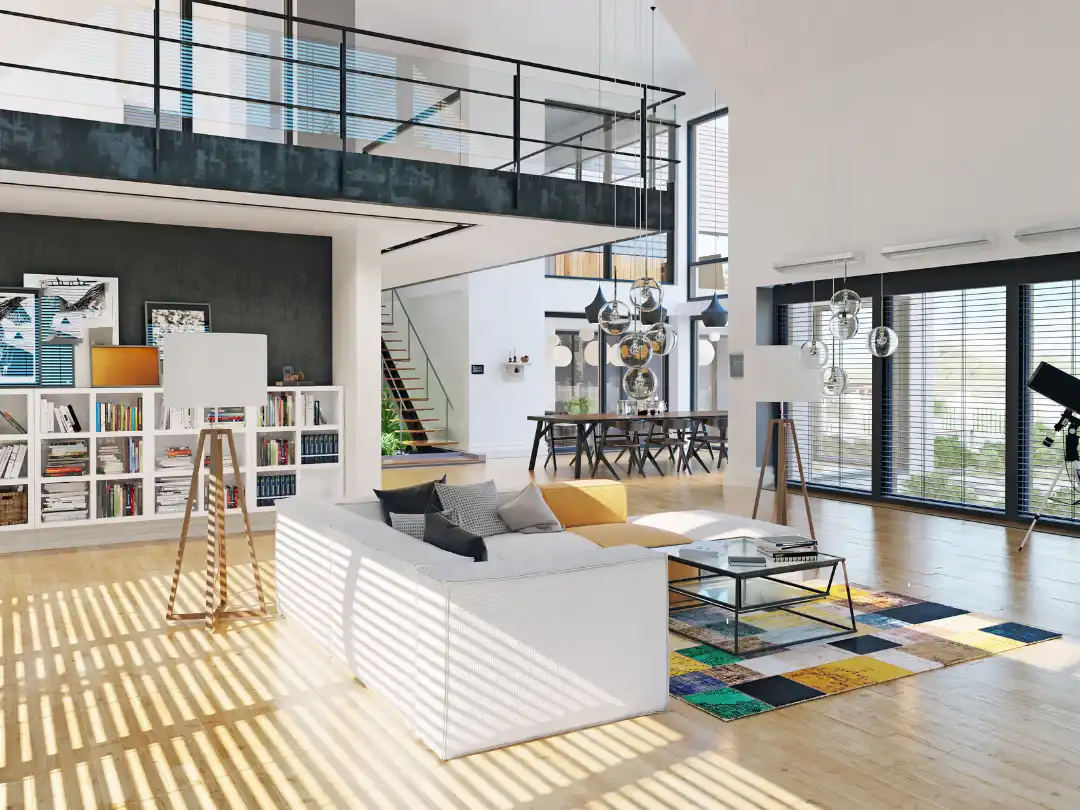
One of the most sought-after architectural changes in recent years is converting closed-off rooms into an open floor plan. By removing non-structural walls, you can create a seamless flow between the kitchen, dining, and living areas. This change not only makes a space feel larger but also maximizes natural light, improving the home’s overall atmosphere.
From a resale perspective, buyers increasingly favour homes with open layouts that promote social interaction and flexible use of space. According to the National Association of Realtors, open floor plans consistently rank among the top features buyers desire. If you are considering such a renovation, consult an expert real estate agent for advice on which walls can be safely removed without compromising structural integrity.
2. Expanding and Enhancing the Kitchen
The kitchen is often referred to as the heart of the home, and its design plays a critical role in property value. Expanding the kitchen or reconfiguring its layout can significantly increase buyer appeal. Key architectural changes include:
- Adding a kitchen island for extra prep space, seating, and storage.
- Expanding square footage by incorporating adjacent areas, such as breakfast nooks or unused hallways.
- Upgrading cabinetry and fixtures with timeless materials like wood, quartz, and stainless steel.
- Integrating built-in appliances for a sleek, modern finish.
Data from multiple home improvement cost versus value reports suggest that kitchen remodels can recoup between 60% and 80% of their cost at resale, depending on scope and quality. Even smaller architectural adjustments like widening doorways and improving sightlines can create a more inviting, functional space.
3. Adding or Redesigning Bathrooms
An extra bathroom or an upgraded existing one can have a profound impact on a home’s marketability. Adding a full bathroom can increase a property’s value by as much as 20%, depending on location and quality of finishes.
Architectural changes in this category may involve:
- Converting underused spaces, such as closets or large laundry rooms, into bathrooms.
- Reconfiguring layouts to add double vanities, separate showers, and soaking tubs.
- Improving accessibility by including walk-in showers and wider doorways.
- Maximizing natural light through skylights or well-placed windows.
Bathrooms are often underestimated in their influence on resale value, but buyers tend to prioritize them alongside kitchens when making decisions. A functional, well-designed bathroom can help a property stand out in competitive markets.
4. Building Functional Additions
Adding square footage through a home addition is one of the most direct ways to boost value, though it requires careful planning to avoid overcapitalizing. Functional additions often yield the best returns. Examples include:
- Primary suite additions with ensuite bathrooms and walk-in closets.
- Sunrooms or enclosed patios that provide year-round living space.
- Finished basements that add usable square footage for recreation, offices, or guest suites.
- In-law suites with private entrances can appeal to multi-generational households.
The cost-to-value ratio for additions varies significantly by market. In urban areas with high land costs, the ROI can be substantial. However, additions must blend seamlessly with the existing architecture to avoid looking like afterthoughts, which can deter buyers.
5. Improving Energy Efficiency Through Design
Sustainability has moved from being a niche interest to a mainstream demand. Energy-efficient architectural changes can both lower operating costs and increase buyer appeal. Key improvements include:
- Installing energy-efficient windows to reduce heat loss.
- Adding extra insulation in walls, attics, and crawl spaces.
- Incorporating passive solar design elements like strategic window placement and roof overhangs.
- Upgrading HVAC systems with high-efficiency models.
The Appraisal Institute notes that homes with documented energy efficiency features can command higher prices and sell faster. Beyond financial returns, these upgrades can also help meet building code requirements and environmental goals.
6. Enhancing Curb Appeal with Structural Updates
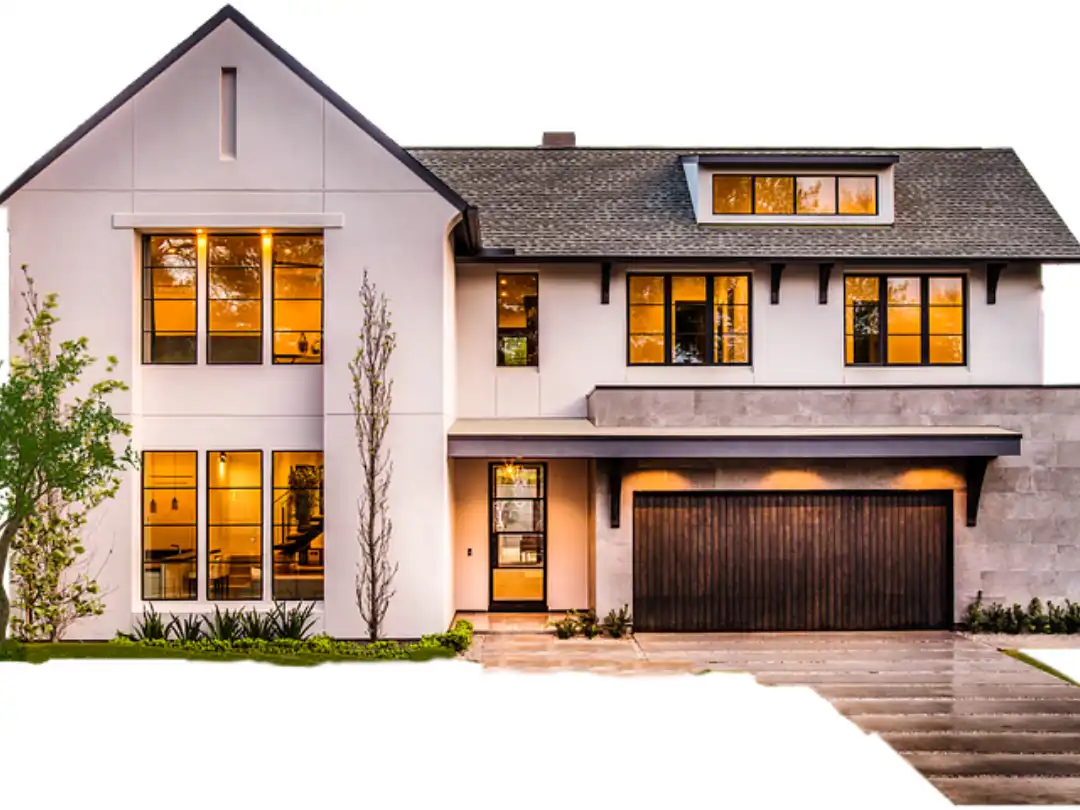
First impressions matter, and the exterior architecture of your home sets the tone for everything inside. Structural and design changes that enhance curb appeal can significantly influence perceived value. Popular architectural updates include:
- Replacing outdated siding with durable, low-maintenance materials like fibre cement or engineered wood.
- Upgrading the front entrance with a more substantial door, improved lighting, and an expanded porch.
- Adding architectural details like gables, trim, or stone accents to break up plain façades.
- Improving garage design by integrating it into the home’s overall style rather than leaving it as a visual afterthought.
Research shows that a well-designed exterior can boost perceived value by up to 10%. While cosmetic landscaping is important, structural improvements to the façade create a lasting impact.
7. Modernizing Floor Plans for Lifestyle Needs
Architectural changes that adapt a home to modern lifestyles can help it stand out. This might involve:
- Converting formal dining rooms into flexible spaces like home offices or libraries.
- Removing small, unused rooms to create larger, multi-purpose areas.
- Incorporating indoor-outdoor connections with sliding or folding glass walls.
- Designing storage solutions, like built-in shelving or mudrooms.
Buyers today prioritize adaptability, and a home that meets a variety of needs often sells more quickly. This flexibility is especially valuable in areas where remote work has increased demand for multi-use spaces.
Practical Approach to Planning Architectural Changes
- Assess Market Trends – Research what buyers in your area are looking for. Trends can vary by city and even neighbourhood.
- Consult Professionals – Structural changes require input from architects, contractors, and real estate experts to avoid costly mistakes.
- Create a Realistic Budget – Include not just construction costs but also permits, design fees, and contingency funds.
- Focus on Quality – Poorly executed upgrades can hurt rather than help your home’s value.
- Prioritize High-Impact Areas – Kitchens, bathrooms, and curb appeal improvements typically offer the best returns.
- Document Improvements – Keep records, warranties, and before-and-after photos to show buyers the value of your upgrades.
The right architectural changes can dramatically improve both your enjoyment of your home and its resale value. By focusing on open layouts, functional kitchens, updated bathrooms, smart additions, energy efficiency, curb appeal, and flexible floor plans, you can make your property more appealing to today’s buyers. Careful planning, professional input, and market research will ensure your investment pays off.
Comments on this guide to What Architectural Changes Add Value To A Home article are welcome.
Roofing Articles
Roofing Posts
Insulation Options for Your Roof
How to make your roofing company a success
+++
Property Design
Contemporary Property Designs – recent architectural selection from e-architect below:
Comments / photos for What Architectural Changes Add Value To A Home page welcome