Types of Air Conditioning for Residential Builds
10 December 2025
Your choice of air conditioner can substantially affect your comfort level and energy costs. Australian homes use 20% to 50% of their energy for heating and cooling, depending on their climate zone. This makes selecting the right system a vital decision to ensure lasting comfort and optimal energy use.
Window units, portable systems, split or multi-head split systems, and ducted air conditioners are the most common cooling options. Split systems work best for single rooms. Ducted systems, also called central air conditioning, provide the best solution to cool an entire home. The installation of a ducted system requires extensive home modifications and higher initial investment, yet it often proves to be the most practical choice.
Today, BG Electrical and Air Con, the air conditioning Brisbane experts, review each AC type. The right cooling system choice matters whether you plan to build a new home or upgrade existing equipment.
Split System Air Conditioning
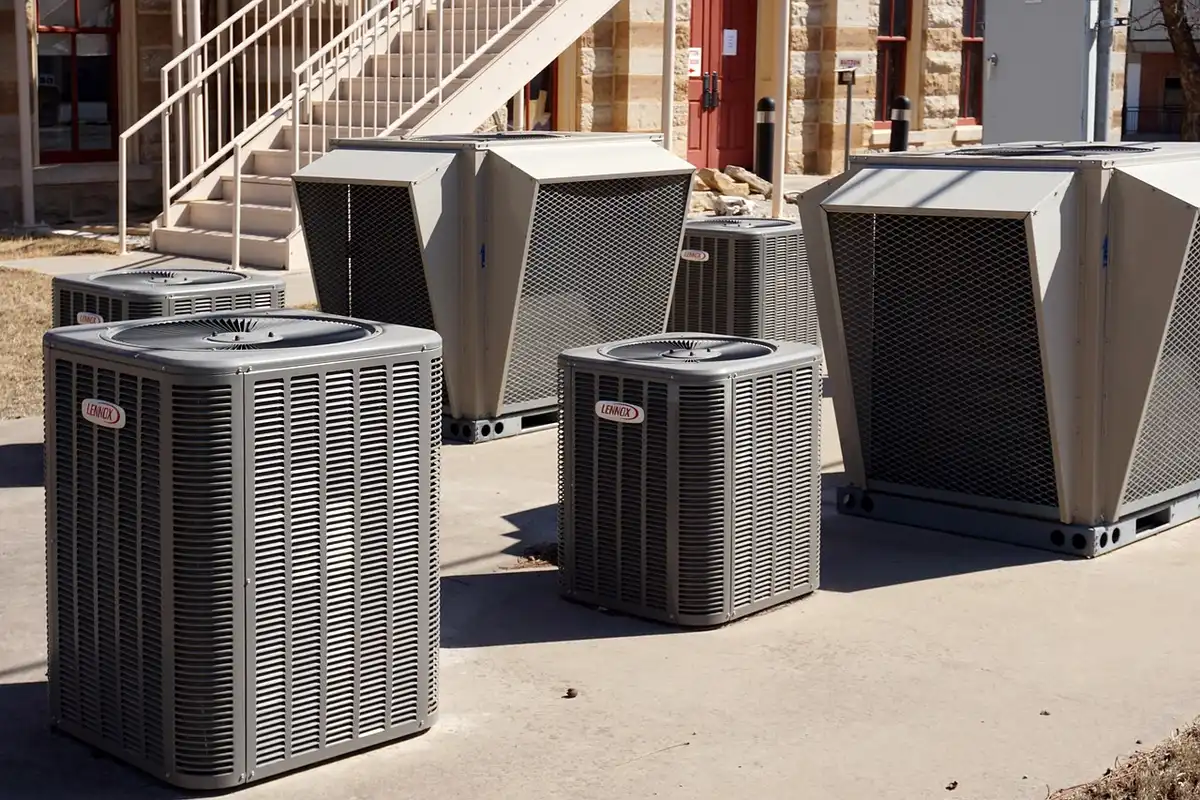
Split system air conditioners are the most popular choice in Australian homes. These systems have two main parts. The indoor unit blows cooled or heated air into a single room, while the outdoor unit removes heat from the refrigerant. People love them because they’re efficient, easy to install, and cool specific areas well.
Split system air conditioning features
The heart of a split system lies in its refrigeration cycle. The system absorbs indoor heat and releases it outside. The refrigerant starts as a low-pressure gas before the outdoor unit compresses it. This creates a hot, high-pressure liquid that flows through the condenser coil. A fan cools the refrigerant by releasing heat outdoors, turning it into a high-pressure liquid. This liquid then moves to the indoor evaporator coil and becomes a cold, low-pressure gas. The fan pulls warm air across the coil, cools it, and sends it back into the room.
Modern split systems come with inverter technology. The compressor runs at different speeds to match the room’s temperature needs. This helps maintain steady temperatures without frequent cycling. These units also offer:
- Wi-Fi connectivity to control from your smartphone
- Clean air purifiers and anti-allergy philtres
- Night mode with dimmed LED displays and quieter operation
- Programmable thermostats and timers
Premium models include smart power-saving features. They use infrared sensors to detect empty rooms and switch to energy-saving mode. The reverse cycle feature lets you heat and cool with one unit, making it useful year-round.
Split system air conditioning pros and cons
Split system air conditioning Pros:
These systems shine in energy efficiency. You’ll save money on electricity bills because they only cool the spaces you use. The installation costs less than central air systems, making them budget-friendly for many homeowners.
You get amazing flexibility with split systems. Each room can have its own temperature setting. The systems run quietly because the noisy parts stay outside.
Taking care of these units is simple. Regular philtre cleaning in the indoor unit keeps the air clean and the system running well. The philtres are easy to reach and clean.
Split system air conditioning Cons:
Split systems have their limits. They struggle to cool large open spaces or multiple rooms at once. Homes with open floor plans might need several units.
The indoor units mount on walls. While they look sleek, some people might not like seeing them. Each indoor unit needs its own outdoor unit, which means finding enough space outside.
You’ll need professional installation even though split systems need fewer changes than ducted ones. This includes making a small wall hole for pipes and setting up electrical connections.
Multi-Split Air Conditioning
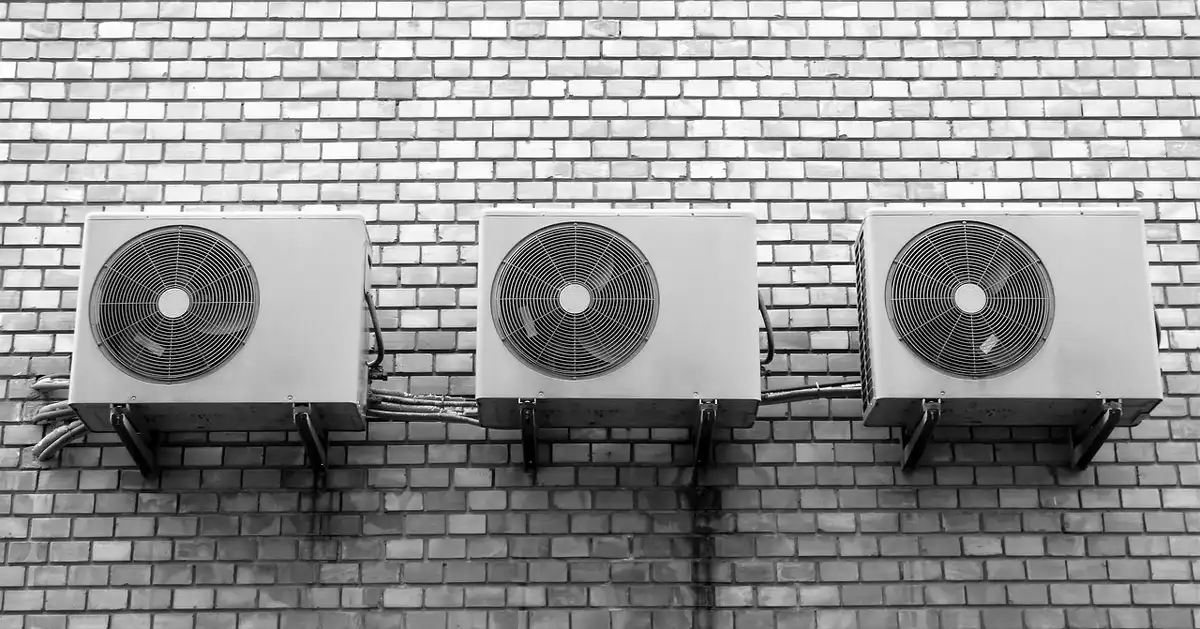
Multi-split air conditioning systems build on regular split systems by connecting multiple indoor units to a single outdoor compressor. You can give each room its own thermostat without needing bulky ductwork. This makes them perfect for homes that don’t have much roof or subfloor space.
Multi-split air conditioning features
The core concept links several indoor units to one outdoor unit. While it works like standard split systems, you get more flexibility for whole-home climate control. You can mix different types of indoor units – wall-mounted, floor-standing, ceiling-mounted, or bulkhead units – all connected to the same outdoor condenser.
These systems stand out because of their independent zone control. Each indoor unit works on its own, letting you set unique temperatures, airflow rates, and timers for different rooms. You can cool or heat just the rooms you’re using, which helps cut down on energy costs.
Multi-splits really shine in homes where traditional ducted systems won’t work. The refrigerant lines can stretch up to 80 metres in some models, making them great for multiple levels or tricky corners. They work especially well for:
- Townhouses and apartments with body corporate restrictions
- Properties with limited outdoor space
- Multi-storey dwellings
- Homes needing different cooling capacities in various rooms
Most systems use inverter technology that adjusts the compressor output based on what you need. This means quiet operation and better energy efficiency, even if you’re only cooling one room.
Multi-split air conditioning pros and cons
Multi-split air conditioning Pros:
The space-saving design is a huge plus. One outdoor unit supports multiple indoor units, keeping your exterior looking clean and using minimal space. This helps a lot if you live in an apartment, townhouse, or have a small balcony.
Independent zone control gives you amazing customization options. Each room maintains its own temperature setting for perfect comfort throughout your home. You can adjust cooling or heating in bedrooms, living areas, and other spaces just the way you want them.
These systems are also super flexible during installation. You can mix and match different indoor unit types and sizes for various rooms. Put a compact bulkhead unit in your kitchen and a wall-mounted unit in your bedroom – whatever works best.
Multi-split air conditioning Cons:
The upfront costs are higher than single splits. You’ll pay more initially because of the complex design and installation, even though you’re using fewer outdoor units.
The system dependency is another drawback. A broken outdoor unit means all your indoor units stop working, affecting your entire home’s comfort. Single split systems don’t have this vulnerability.
You’ll need qualified refrigeration mechanics for installation because these systems are complex. Connecting multiple indoor units to one outdoor unit takes more work, which can bump up labour costs.
The system might not perform at its best when all units run together. Each indoor unit might not reach its full rated capacity during simultaneous operation. Your bedroom and living room units might not cool as well when they’re both running.
Ducted Air Conditioning
Ducted air conditioning is a premium solution that controls the climate of your entire home. It works by sending conditioned air through hidden ducts across your property. The system has an indoor unit usually placed in the roof space or under the floor, with vents in each room to keep temperatures steady throughout your home.
Ducted air conditioning features
The system works with an indoor unit placed centrally, often in the ceiling. This unit connects to a network of ducts that spread conditioned air throughout your home. The outdoor unit sits in a ventilated spot outside, connected to the indoor unit through refrigerant pipes and electrical wiring.
A key feature lets you split your home into different zones with their own temperature controls. You can cool or heat specific rooms while leaving others untouched, which helps optimise energy use. Today’s systems come with:
- Variable-speed compressors and programmable thermostats to save energy
- Advanced air filtration that removes airborne particles, dust, and allergens
- Smart home features like voice control, remote monitoring, and automated scheduling
- Humidity control to prevent mould and moisture damage
These systems run quietly because their working parts sit outside or in the ceiling space. Many modern units also offer reverse cycle functionality, so you get cooling and heating from one system.
Ducted air conditioning pros and cons
Ducted air conditioning Pros:
The biggest advantage is how these systems cool your entire house. Unlike other options, ducted systems maintain even temperatures in every room. This creates year-round comfort throughout your home.
These systems look great too. You’ll only see small vents in each room. The indoor unit and ductwork stay hidden in the ceiling or bulkhead, keeping your home’s appearance clean and uncluttered.
The zone control feature lets you manage different areas of your home separately. You can turn areas on or off as needed, which cuts energy use and saves money.
Ducted air conditioning Cons:
The upfront cost is higher than other systems. Installing these systems can be tricky, especially in existing homes. You’ll need qualified technicians with Refrigerant Handling Licences to do the work. The process often needs major property changes, making it better suited for new builds or big renovations.
Maintenance costs more than other air conditioning types. The system’s adhesive tape weakens over time, creating leaks that get bigger and more numerous. Regular professional service keeps the system running efficiently and prevents wasted energy.
Ducted air conditioning best use cases
These systems work best in larger properties needing whole-home climate control. They’re perfect for open-plan areas where you need steady temperatures across connected spaces.
Ducted air conditioning suits:
- Multi-storey or large homes needing even temperature control
- Families wanting to cool or heat their entire home with one system
- Properties under construction or major renovation
- Homeowners who prefer hidden climate control systems
- Houses in areas with extreme weather that need year-round climate management
These systems add value to your property. Home buyers often see ducted air conditioning as a plus, which can boost your home’s appeal and value.
Window Air Conditioners
Window air conditioners are a simple cooling solution that’s perfect for homeowners who want something affordable and easy to use. These all-in-one units pack everything—the compressor, condenser, evaporator, and controls—into a single box that fits right into your window frame or wall opening.
Window air conditioner features
These units pull warm air from your room, cool it through refrigeration coils, and send the cooled air back while pushing excess heat outside. Unlike split systems, you get everything in one package without needing professional help to set it up.
Window air conditioners work as complete cooling systems that are perfect for smaller spaces. You’ll find many modern units now come with digital controls instead of simple high/low settings, which lets you manage the temperature just right. Some great features include:
- Programmable timers so you can set when it runs
- Remote controls to adjust settings from anywhere in the room
- Sleep modes that keep you comfortable at night
- Anti-bacterial mesh filters to clean out particles and bacteria
- Some models that can both heat and cool your space
These units work best in rooms up to 50 square metres. Getting the right size makes all the difference—your unit’s cooling power (in BTU or kilowatts) should match your room size. A unit that’s too big will turn on and off too much and waste energy, while one that’s too small won’t keep you cool enough.
Window air conditioner pros and cons
Window air conditioner Pros:
The price tag is the first thing you’ll love. Setting them up is a breeze. Most people can install these units themselves in just a few hours. This makes them perfect for renters or anyone who might need to move soon.
They’re also great space-savers since they sit in your window frame instead of taking up floor space. You can cool just the rooms you’re using, which helps save on energy bills.
Window air conditioner Cons:
Noise can be an issue. Many units make noticeable sounds that might bother light sleepers. This happens because all the working parts are right there in one box.
They’re not the prettiest addition to your home—they block some of your view, cut down on natural light, and might not look great from outside. You also can’t open that window for fresh air when you don’t need cooling.
Safety is another concern. Units that aren’t installed properly could fall out and hurt someone. They might also make your home less secure since someone could remove the unit to break in.
These units can only cool one room or small space at a time. If you need to cool more space, you’ll need multiple units or a different type of air conditioning.
Portable Air Conditioners
Portable air conditioners are the only truly mobile cooling option you’ll find in the residential air conditioning market. These standalone units don’t need permanent installation, making them perfect for renters, temporary cooling needs, or spaces where other systems won’t work.
Portable air conditioner features
Portable air conditioners work as self-contained cooling systems with all components in a single, movable unit. The system pulls warm air from the room, cools it, and sends heat and moisture outside through an exhaust hose. Most units come with window installation kits that fit various window styles easily.
You’ll find these units in two categories: single-hose and dual-hose systems. Single-hose models use one exhaust pipe to vent hot air outside. Dual-hose systems use separate hoses—one pulls outdoor air to cool internal components while another expels heat. Dual-hose designs work more efficiently because they create less negative air pressure inside the room.
These units do more than just cool the air.
Here are some extra features:
- Dehumidification systems remove up to 1.7L of moisture per hour
- Wi-Fi connectivity lets you control from your smartphone
- Programmable timers and sleep modes
- Multiple fan speeds to customise comfort
- Air purification through built-in filtration systems
Portable air conditioner pros and cons
Pros: Mobility stands out as the main advantage—these units roll throughout your home on built-in castors. Setup takes just 10-15 minutes without any need for professional help. Renters and people in temporary homes love this convenience since they can’t make structural changes.
These air conditioners work with many window types where traditional units won’t fit. Users can cool specific areas as needed, which saves money by avoiding whole-house cooling.
Cons: Energy efficiency remains the biggest problem.
Noise levels create another challenge. Operating sounds range from 47-65dB. The units run louder than most fixed systems because all components, including the compressor, work inside your room.
These units weigh between 13-43kg and take up valuable floor space, despite being called “portable.” You must also place them near windows for venting, which limits your options.
Final Say
The right air conditioning system can affect your home’s comfort, energy use, and budget substantially. This piece explores five main types of air conditioning options that offer distinct benefits for different living spaces.
Split systems balance efficiency and cost well when cooling individual rooms. Multi-split setups cool the entire home while using minimal outdoor equipment. A ducted system gives you a premium solution with hidden components, but needs more money upfront and changes to your home’s structure.
Window units work well for budget-conscious homeowners because they cost less and install easily, though they cool less space and change how your home looks. People who rent or need flexibility will find portable air conditioners useful since they don’t need permanent installation, even though they use more energy.
Several key factors determine your best choice. Your property type matters – apartments work better with split or portable systems due to space limits, while larger homes need ducted installations for even cooling. The budget plays a crucial role too, as higher initial costs often lead to better efficiency and savings over time. You’ll also need to think over installation needs and any rules about changing your property’s structure.
A climate control system is a major investment that shapes both comfort and utility bills. Now that you know the strengths and limits of each system type, you can pick an air conditioning solution that fits your needs and keeps you comfortable year-round without extra costs.
Comments on this guide to Air conditioning types for residential builds article are welcome.
HVAC – Air Conditioners
Air Conditioners Posts
Why Rely On Professionals For Air Conditioning, Heating, HVAC
HVAC Systems in Modern Architecture
5 great advice from top rated HVAC contractor
++
Buildings
Residential Architecture Articles
Comments / photos for the Air conditioning types for residential builds – Buildings temperature control page welcome.