Air Conditioning Enhances Climate Control in Modern Homes
2 December 2025
These days, you likely expect more from your home than simply shelter; it should be a haven of comfort, calm, and control. In regions where warm weather stretches for months, maintaining a steadily pleasant indoor environment matters more than ever. Modern homes are now designed not just with insulation and smart windows, but with climate control systems that actively shape the indoor atmosphere.
Among those systems, your air conditioner plays a central role not only in cooling the air but also in managing humidity, airflow, and indoor air quality, helping your home feel consistently comfortable. As you consider how your home responds to rising outdoor temperatures, you’ll see that a well-maintained air conditioning system is vital to the broader goal of climate control. In the next section, we’ll explore how keeping your system in good health supports all of this.
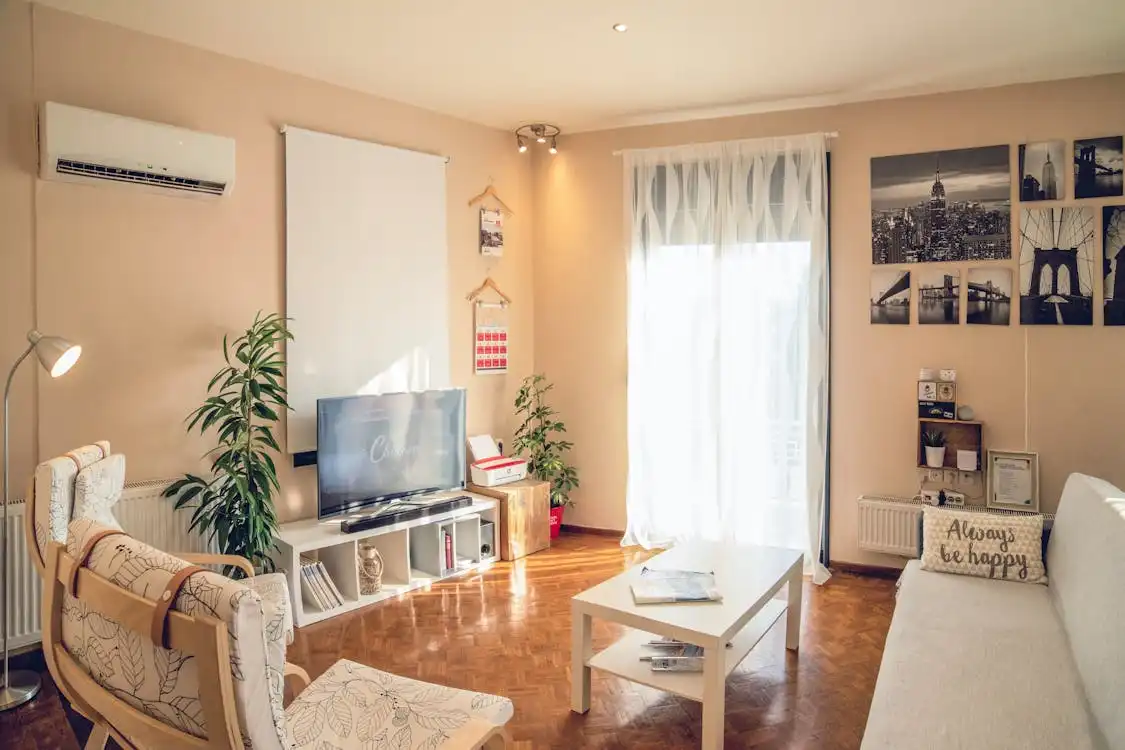
Understanding Modern Air Conditioning Systems and Why Their Upkeep Matters
Air conditioning systems in today’s homes do much more than cool the air. They regulate temperature, reduce excess moisture, and keep conditioned air moving so each room feels consistent. Key components such as the compressor, evaporator coil, blower, and filters work together to maintain this balance. When airflow is restricted, coils get dirty, or refrigerant levels drop, the system has to work harder, reducing comfort and efficiency.
If you’re starting to notice changes like weak airflow, strange sounds, or inconsistent cooling, reaching out to local experts for regular AC maintenance ensures small issues don’t grow into major repairs. A routine check can catch early signs of clogged coils, refrigerant leaks, or failing parts before they lead to breakdowns or higher energy costs. Staying ahead of these problems helps your system run more reliably and last longer.
With that context in place, let’s look at how air conditioning enhances climate control in multiple ways.
Temperature Regulation: The Foundation of Climate Control
At its simplest, your air conditioner ensures that indoor temperatures remain stable and comfortable, regardless of how hot it is outside. It detects the indoor temperature via a thermostat, then cools the air until the set point is reached. But it’s not just about blasting cold air; it’s about maintaining a steady level of comfort without giant swings.
Many modern units also include zoning or smart controls so you don’t overcool spaces you’re not using. Imagine keeping the living room cool while bedrooms remain gently moderated until you sleep. That flexibility means you stay comfortable while saving energy. Because when your system runs efficiently, you’re not fighting to reach the next 10 °F drop; you’re simply keeping everything in balance. That’s the essence of effective climate control.
Humidity Management and Indoor Air Quality
Temperature is just one part of comfort. The feel of a room, you know, whether it seems sticky or crisp, airy or stale, is also determined by humidity and air cleanliness. Your air conditioning unit helps here, too. As it cools the air, it also removes moisture, reducing humidity levels so that the cooled air feels more comfortable and less oppressive.
Lower humidity also protects your home from mold and mildew growth, and prevents musty smells or damp-feeling extremes. Additionally, many systems include air filters and ventilation controls to trap dust, allergens, and other particles, helping indoor air feel fresher and healthier. When your system handles temperature, humidity, and air quality together, it creates an environment that simply feels right cool, dry (but not dry-dry),
People from all over the Big D are employing air conditioning services in Dallas to help them tune up their cooling systems before the intense summer heat sets in. Professional technicians ensure that components run efficiently, optimizing humidity control and maintaining clean indoor air throughout the year.
Energy Efficiency and the Role of Smart Technology
One of the major shifts in modern climate control is that keeping things comfortable no longer means “run full blast until everything’s frozen.” Today’s systems are designed for efficiency. Inverter technology, high Seasonal Energy Efficiency Ratio (SEER) ratings, and smart thermostats all allow the AC to do more with less electricity.
Smart controls can learn your usage patterns, adjust cooling when rooms are unoccupied, and allow remote access from your phone. That means you can set it to cool the house just before you arrive, instead of keeping everything chilled all day. The result: lower bills, less wasted energy, and a smaller environmental footprint. And of course, if the system is well maintained, it operates at peak efficiency, reinforcing the value of preventive care that we discussed earlier.
Customizable Comfort: Personalized Climate Settings
One of the greatest perks of modern air conditioning is how much you can tailor it to your lifestyle rather than one-size-fits-all comfort. You can keep the room you spend most time in cooler while leaving guest rooms a little warmer. You can program settings for mornings, when you wake, versus evenings when you’re winding down. You might even use separate zones for home offices, workout areas, or children’s rooms.
These options give you control rather than fighting the system or manually adjusting vents and fans; the AC adjusts for you. You’ll stay comfortable without having to think about it. And because the system is functioning properly (see earlier about upkeep), the transitions are smoother and the comfort more consistent.
Enhancing Home Value and Long-Term Durability
A home equipped with an efficient, well-maintained climate control system isn’t just more comfortable—it’s more desirable. Prospective buyers pay attention to whether your home has efficient cooling, proper insulation, and systems that are in good condition. When the AC system is known to be properly cared for, it signals fewer surprises, lower utility bills, and a longer useful life.
Durability also depends on care: a system that’s neglected is more likely to break down early, require costly repairs, or lose efficiency. But when your system runs smoothly, the lifespan extends, and you avoid the disruption of emergency replacements. It’s not just a convenience, it’s a long-term investment in comfort, value, and peace of mind.
Cooling your home might seem like a single task, but modern air conditioning systems actually provide a comprehensive approach to climate control: stable temperatures, balanced humidity, cleaner air, efficient performance, personalized comfort, and boosted home value. When each part works together, your home becomes a steady retreat from external weather, rather than a battleground against it.
And while technology advances continue, the simple reality remains: a system that is installed properly, used thoughtfully, and cared for regularly will serve you best. Take advantage of smart features, stay aware of comfort issues, and make the small investment in upkeep today so your home continues to feel just right.
Comments on this guide to How Air Conditioning Enhances Climate Control in Modern Homes article are welcome.
HVAC – Air Conditioners
Air Conditioners Posts
Why Rely On Professionals For Air Conditioning, Heating, HVAC
HVAC Systems in Modern Architecture
5 great advice from top rated HVAC contractor
Buildings
Residential Architecture Articles
Comments / photos for the How Air Conditioning Enhances Climate Control in Modern Homes – Buildings temperature control page welcome.