
Advanced Engineering Fixes for Foundation & Crawl Space
post updated 8 October 2026
8 October 2025
Some foundation problems can’t be patched with basic fixes. When soil shifts, loads redistribute, or structural damage runs deep, you need solutions backed by real engineering expertise. Quick patches might look good initially, but they’re temporary at best when dealing with serious structural movement that threatens your home’s stability.
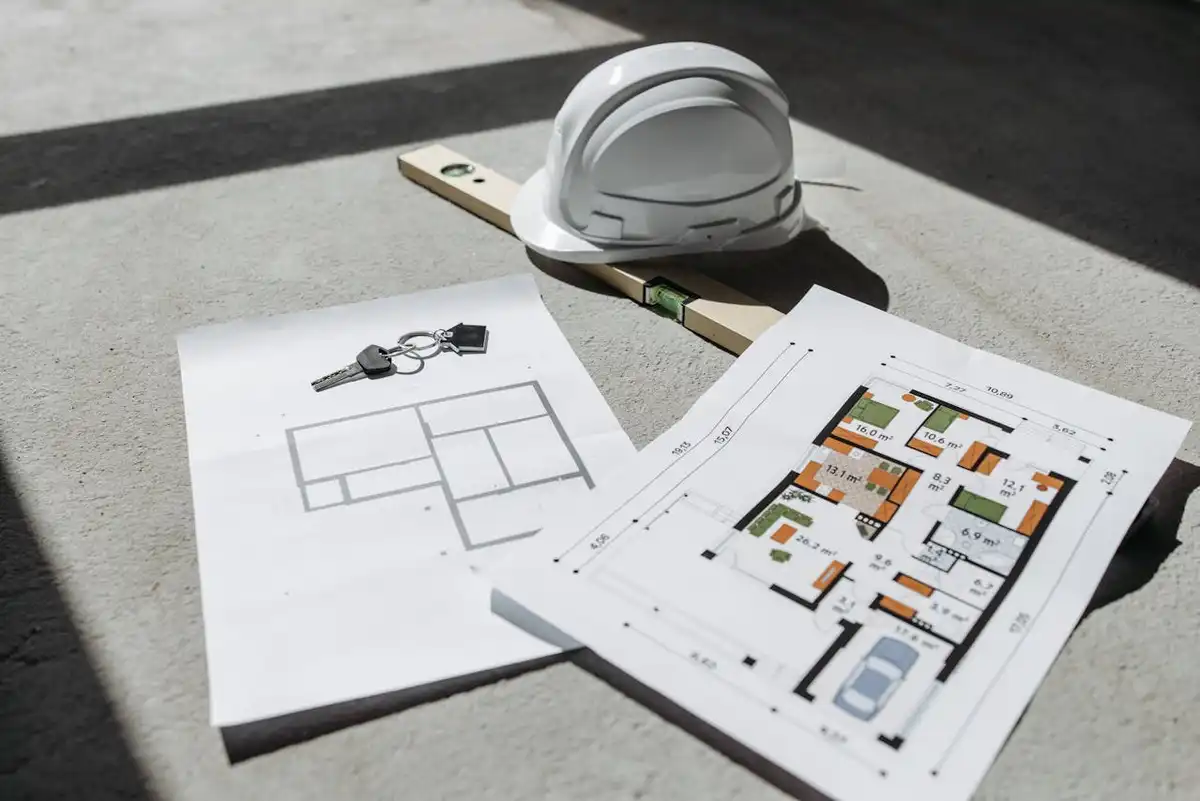
Standard repairs might stop visible symptoms for a while, but they won’t address the underlying forces causing your foundation to fail. That’s where advanced methods come in – the kind that involve soil analysis, load calculations, and precision-engineered support systems designed to handle serious structural challenges that go beyond surface-level issues. These approaches target the root cause instead of just treating symptoms.
Specialists like esogrepair.com bring high-tech tools and structural knowledge to stabilize homes for decades, not just years. These engineering-driven approaches cost more upfront but save homeowners from repeated repairs and escalating damage that only gets worse over time, protecting both safety and property value for the long haul.
When Standard Repairs Aren’t Enough
You’ve patched cracks before, maybe even had basic underpinning done, but the problems keep coming back. Doors still stick, floors still slope, and new cracks appear every few months. That’s your home telling you the root cause hasn’t been addressed.
Standard repair methods work great for minor settling or isolated issues. But when you’re dealing with expansive soil, inadequate original foundation design, or significant load-bearing changes, surface-level fixes just buy time. The forces causing movement are still active underground, quietly working against whatever Band-Aid solution you applied.
This is when engineering analysis becomes non-negotiable. Structural engineers assess soil composition, moisture patterns, and load distribution to understand why your foundation is failing. Without that diagnostic work, you’re guessing at solutions and likely wasting money on repairs that won’t last.
Engineering Analysis for Soil and Load Issues
Soil isn’t just dirt – it’s a complex system that expands, contracts, shifts, and bears massive weight. Clay soils swell when wet and shrink when dry, creating movement that standard foundations weren’t designed to handle. Sandy soils can wash out, and organic soils compress unpredictably.
Engineers use soil borings and tests to determine what’s beneath your home and how it behaves under different conditions. They measure load paths to see where weight concentrates and whether existing supports can handle it. This data-driven approach removes guesswork and identifies exactly what’s causing your foundation to move.
The analysis also reveals hidden problems you can’t see from the surface. Maybe water drainage is undermining one corner, or tree roots are pulling moisture from beneath your slab. These insights shape repair strategies that actually solve problems instead of temporarily masking them.
Modern Support Systems: Helical Piers & More
Helical piers are game-changers for foundation stabilization. These steel shafts with helical plates screw deep into stable soil layers, sometimes 20 to 30 feet down, anchoring your foundation to ground that won’t shift. They transfer loads past problematic surface soils to bedrock or dense layers that can actually handle the weight.
Installation is surprisingly minimally invasive compared to older methods. Hydraulic equipment drives the piers into place without massive excavation or disruption to your landscaping. Once they’re anchored in stable soil, steel brackets connect them to your foundation, and hydraulic jacks can even lift settled sections back to level.
Beyond helical piers, engineers might use push piers, slabjacking, or carbon fiber reinforcement depending on your specific situation. Each method addresses different types of failure, and the right choice depends on soil conditions, the extent of damage, and your home’s structure. Cookie-cutter solutions don’t work here.
Long-Term Reliability and Safety Benefits
Engineering-backed repairs come with something DIY fixes and basic contractors can’t offer – predictable, lasting stability. When solutions are designed based on actual data about your soil and structure, they account for future stresses and environmental changes instead of just fixing what’s broken today.
Safety matters more than aesthetics when it comes to foundations. A compromised foundation threatens your home’s entire structural integrity, putting your family at risk if walls or floors fail. Properly engineered supports eliminate that danger by ensuring every part of your foundation can handle the loads it’s supposed to carry.
There’s also peace of mind in warranties and documentation. Reputable engineering firms stand behind their work with transferable warranties that protect your investment and add value if you sell. Buyers and inspectors recognize professionally engineered repairs as legitimate solutions, not red flags that tank your home’s marketability.
Conclusion
When foundation problems go beyond cosmetic cracks, engineering expertise becomes essential rather than optional. Soil analysis, advanced support systems, and data-driven repair strategies address root causes instead of masking symptoms. The upfront investment in proper engineering saves money, protects safety, and provides long-term stability that basic repairs simply can’t match. Your home deserves solutions built to last.
Comments on this guide to Advanced Engineering Fixes for Foundation & Crawl Space Problems article are welcome.
Building Basements
Home Basement Articles
Combining basement waterproofing and underpinning
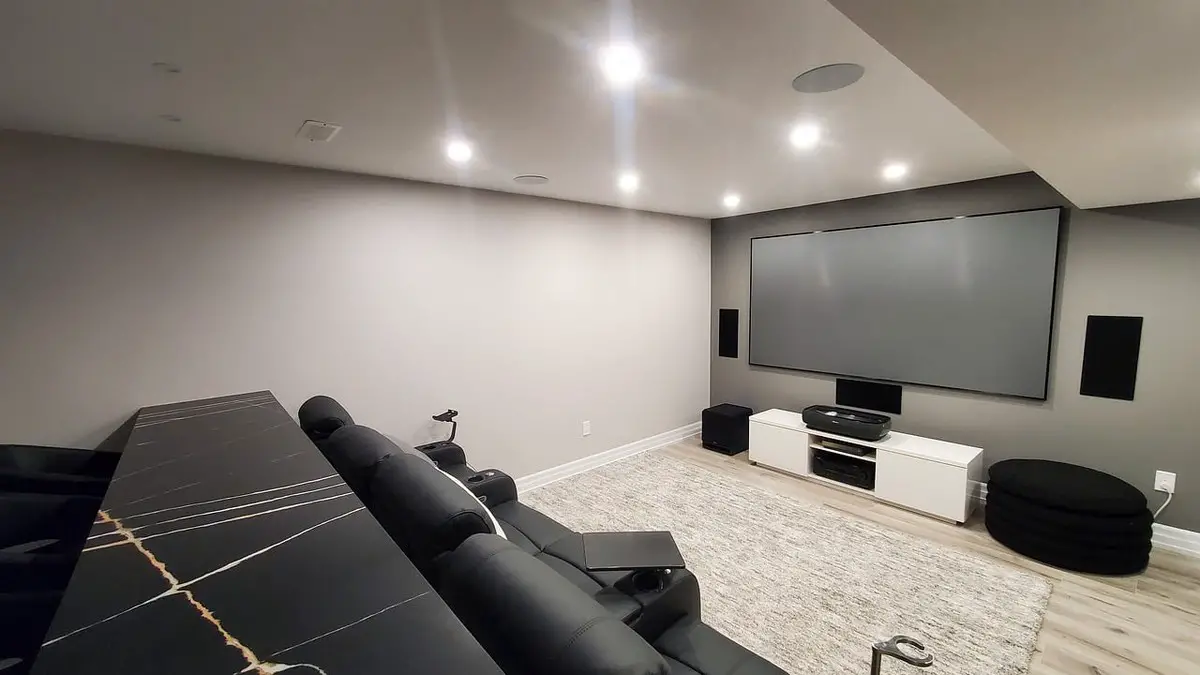
Basement Remodelling – Luxury or Necessity
Thinking of Hiring A Basement Waterproofing Contractor
++
Building Articles
Comments / photos for the Advanced Engineering Fixes for Foundation & Crawl Space Problems page welcome


