8 Ways Electric Fencing Protects Livestock and Property
27 May 2026
Well-run farms rely on boundaries that animals grasp without constant chasing or shouting. A brief, controlled pulse teaches respect for a line while limiting bruises, sprains, and panic injuries from pushing against rigid barriers.
Good layout, steady power, and clear visibility keep stock settled, support cleaner grazing, and reduce late-night surprises. With simple checks for grounding, weeds, and loose connections, a fence becomes a dependable part of daily risk control.

1) Creates a clear, memorable boundary
Livestock respond best to consistent feedback, and a predictable pulse builds respect quickly. Training works more smoothly in a small pen first, where handlers can watch reactions and prevent crowding. Once habits form, fewer animals test posts, rub corners, or lean on the wire. When choosing materials, electric fencing should match the species’ size, coat thickness, and terrain. Keeping voltage steady, managing grass contact, and tightening lines preserves that learned boundary.
2) Reduces predator pressure at the perimeter
Predators probe edges for weak corners, low strands, or gaps near brush. A charged wire discourages nose-first testing, which can interrupt the pattern of repeated visits. Night risk rises when response time slows, so perimeter reliability matters. For smaller animals, additional lower strands reduce access for crawling. Visibility aids avoidance, so flags or tape can help. Regular voltage checks after rain or wind prevent a silent failure that invites another attempt.
3) Prevents costly escapes and road hazards
An escape can lead to lameness, dehydration, vehicle impact, or legal claims, and those outcomes often arrive fast. Electric lines add a psychological barrier that supports fences and posts rather than replacing them. Gates, corners, and creek crossings deserve extra care because movement tends to concentrate there. After storms, a quick walk finds fallen limbs, sagging wire, and broken insulators. Early repairs lower the chance of a sudden breakout during the next weather shift.
4) Protects gardens, crops, and stored feed
Animals seek calories, salt, and novelty, so gardens, haystacks, bins, and mineral sites are subject to repeated pressure. A hot line establishes a simple rule that reduces trampling, browsing, and spilled grain. Less access also lowers contamination from manure near feed storage. Wildlife damage can be reduced with a second outer strand where deer or hogs visit. Keeping spacing and height appropriate prevents curious heads from reaching through.
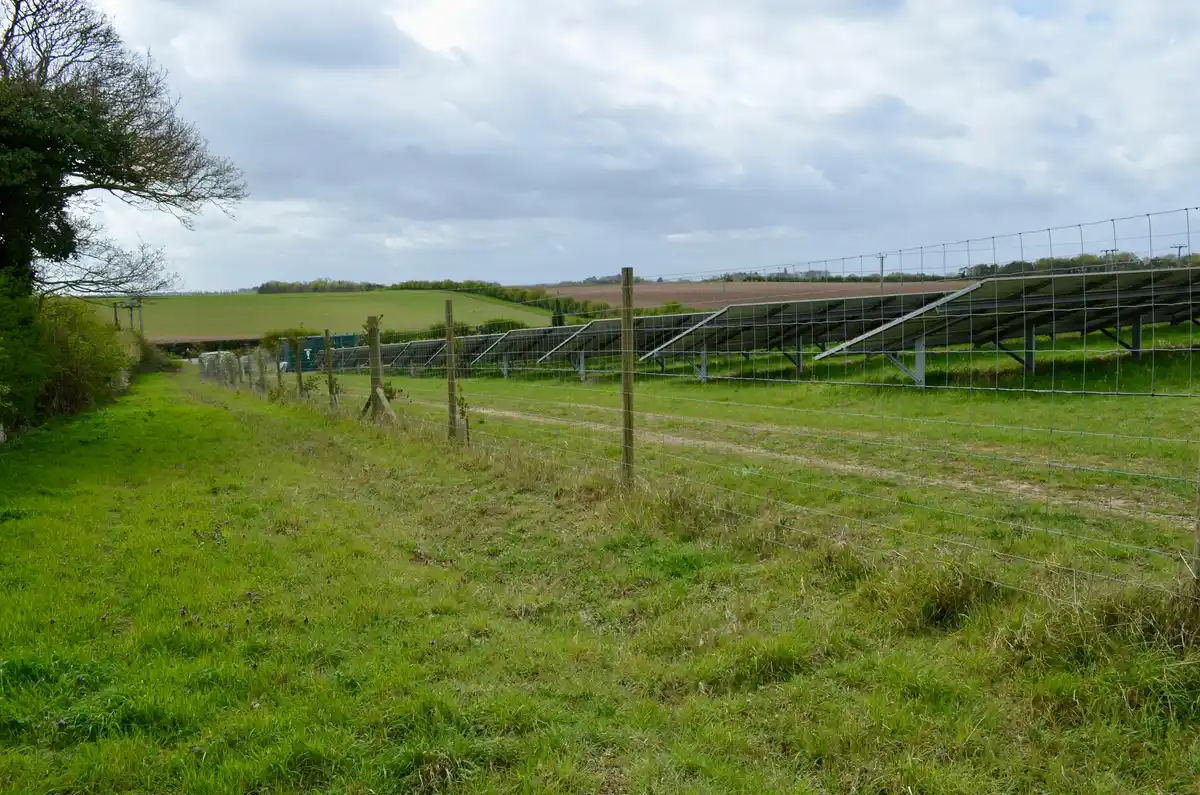
5) Supports rotational grazing and pasture recovery
Rotational plans depend on controlled access, and temporary divisions are easier with energized wire. Short grazing windows, followed by rest, protect regrowth points and maintain leaf area for photosynthesis. Better cover improves infiltration, reduces runoff, and limits erosion after heavy rain. Timed moves also reduce parasite exposure because animals spend fewer days on heavily soiled ground. Simple reels, step-in posts, and clear lanes make frequent shifts practical during busy weeks.
6) Limits bullying, crowding, and fence-line injuries
Crowding at a boundary can trigger pushing, horn strikes, and abrupt turns that strain joints. When animals respect the line, less pressure hits hard barriers, so weak spots draw fewer challenges. Calmer traffic patterns reduce slips on uneven ground, protecting hooves and tendons. Adequate space, multiple water points, and wide entry lanes decrease conflict. Handlers benefit too, since predictable movement lowers the chance of a startled surge.
7) Improves biosecurity by controlling contact
Fence-line contact can spread respiratory illness, external parasites, and unintended breeding. Separation helps keep groups stable, supports quarantine for new arrivals, and reduces shared access to ditches or feed sites near borders. During outbreaks, a double line with a gap limits nose-to-nose touching. Clear divisions also support targeted treatment, since animals can be held in smaller areas for observation. Routine checks for shorts keep the barrier effective across long property lines.
8) Protects equipment areas and work zones
Work areas attract curious animals, and damage to hoses, cords, seed bags, or small machines can happen in minutes. An exclusion line keeps stock out of barns, loading ramps, and repair spaces, reducing injury risk for people and animals. Cleaner entrances also reduce slips linked to manure buildup. Visible markers help workers avoid accidental contact during chores. Placing lines to guide foot traffic supports safer routines when tasks change across seasons.

Conclusion
Electric fencing improves day-to-day control by teaching animals to avoid boundaries and by discouraging predators from repeated probing. It also supports safer roadsides, steadier grazing plans, cleaner feed zones, and more orderly work areas. Outcomes depend on strong grounding, consistent voltage, and quick attention to vegetation, corners, and gate hardware. With training, routine inspections, and site-matched design, farms can reduce losses while protecting animals and property through simple habits.
Comments on this guide to 8 ways electric fencing protects livestock and property article are welcome.
Garden Fences

Fencing Posts
Choosing a Wood and Metal Fence for Your Home
Choose best fence for your garden and yard
Top 5 reasons why a fence is good for your home
++
Building Articles
Residential Architecture
Comments / photos for the 8 ways electric fencing protects livestock and property page welcome