6 Elements of Designing a Home That Homeowners Need to Decide on
3 June 2026
Designing a new home is one of the most exciting projects a homeowner can undertake. While architects, designers, and builders bring valuable expertise to the process, certain decisions ultimately need to come from the homeowner. Professionals can provide recommendations, explain the advantages and disadvantages of different options, and ensure the design is practical. However, many of the features that define how a home looks, feels, and functions are personal choices that reflect the homeowner’s lifestyle and preferences.
Making these decisions early in the design process helps create a home that is both beautiful and practical for years to come.
- The Overall Layout
Architects are skilled at creating floor plans that maximise space, improve flow, and make the most of a property’s surroundings. However, homeowners still need to decide how they want to live within that space. Some families prioritise open-plan living areas that encourage interaction, while others prefer separate rooms that provide privacy and quiet. Decisions about the number of bedrooms, home offices, bathrooms, and entertainment areas should be based on current and future needs. A layout that works well for a young couple may not suit a growing family, so it is important to think long-term when making these choices.
- Doors
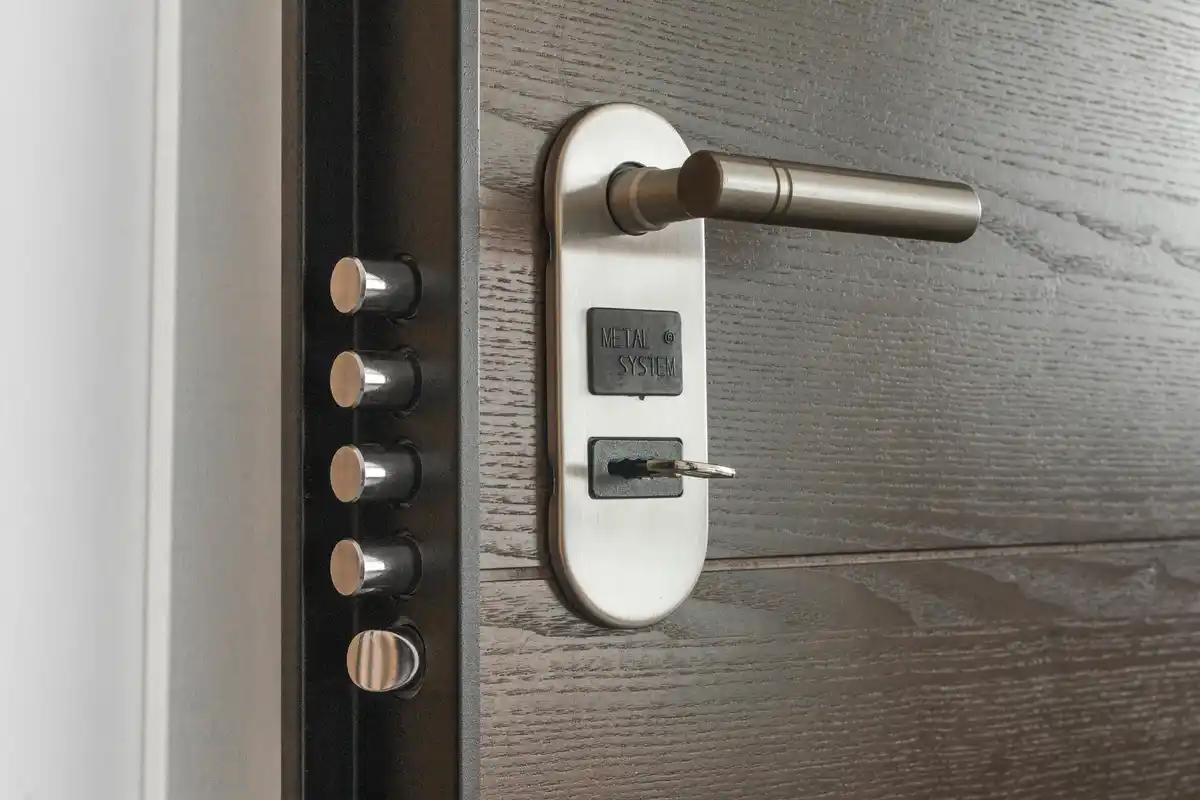
Doors are often viewed as a practical necessity, but they play a major role in both the appearance and security of a home. Homeowners need to decide on the style, material, colour, and level of protection required for different entry points.
Front doors create a strong first impression and can influence the overall character of the property. Internal doors also affect the home’s design aesthetic, whether homeowners prefer traditional panel doors, contemporary flush designs, or glazed options that allow more natural light to flow through the house.
Security is another important consideration. Many homeowners choose to invest in high-quality security doors for enhanced protection and peace of mind. Modern steel security doors are designed to resist forced entry while still complementing the appearance of a home through a range of finishes and styles. Certified security doors can also help homeowners meet specific safety and insurance requirements.
- Exterior Materials and Finishes
The exterior of a home is one of the most visible design decisions homeowners will make. Architects can suggest materials that suit the local climate and planning requirements, but the final choice often comes down to personal preference.
Brick, stone, render, timber cladding, and mixed-material designs all create very different visual effects. Homeowners should consider maintenance requirements alongside appearance. Some materials require regular upkeep, while others offer long-term durability with minimal maintenance.

- Windows and Natural Light
Windows influence far more than the external appearance of a property. They affect natural light levels, energy efficiency, ventilation, and even how spacious a room feels. Homeowners need to decide on window sizes, styles, and placements based on their priorities. Large windows can create stunning views and brighten interiors, while strategically placed smaller windows may offer greater privacy.
Window frame materials, glazing options, and opening mechanisms are also important decisions. The right combination can improve comfort, reduce energy costs, and enhance the overall living experience.
- Kitchen Design
The kitchen is often considered the heart of the home, making it one of the most important areas for homeowner input. Architects and kitchen designers can develop functional layouts, but homeowners need to determine how they intend to use the space. Frequent entertainers may prioritise large islands and open seating areas, while keen cooks might focus on storage, preparation space, and premium appliances.
Cabinet styles, worktop materials, lighting, and colour schemes all contribute to the kitchen’s personality. These choices should balance aesthetics with practicality to create a space that remains enjoyable and functional for years.
- Flooring Choices
Flooring has a significant impact on both appearance and everyday comfort. Homeowners must decide which materials are most suitable for different areas of the home. For example, hardwood flooring offers warmth and timeless appeal, while tiles provide durability and moisture resistance in kitchens and bathrooms. Carpets, on the other hand, can create a cosy atmosphere in bedrooms, and luxury vinyl flooring has become increasingly popular for its versatility and ease of maintenance. Selecting flooring involves considering factors such as durability, maintenance requirements, budget, and lifestyle needs.

Creating a Home That Reflects Personal Priorities
Architects and designers play a vital role in turning ideas into reality, but the most successful homes are those that reflect the homeowner’s unique preferences and lifestyle. Decisions about layout, doors, materials, kitchens, windows, flooring, storage, and outdoor spaces all contribute to creating a home that feels personal and practical.
By carefully considering these elements during the design process, homeowners can create a property that not only looks impressive but also supports the way they want to live for many years to come.
Comments on this guide to 6 elements of designing a home to decide on article are welcome.
Home Gates
Security Property Gates
Security Gates in Modern Commercial Architecture
Simple gate design with modern touch ideas
photo source : thearchdigest.com
How to find right installer for electric gates
++
Building
Residential Architecture Articles
Comments / photos for the 6 elements of designing a home to decide on advice page welcome.