When Builders and Insurers Clash — Who Pays for Construction Delays?
1 December 2025
Severe storms, material shortages, and permit delays often leave crews idle and work unfinished. Each interruption raises the question of who pays for the lost time. Builders face higher costs when deadlines slip, while insurers slow payments to confirm liability. Responsibility usually depends on contract wording, listed exclusions, and how promptly both sides exchange written communication.
Detailed logs and clear clauses determine outcomes. Builders who record idle labor, delivery dates, and weather data can prove how delays began and who owes compensation. Insurers depend on these records to confirm coverage and timing. Organized documentation, daily updates, and verified reports shorten review periods and help both parties restart construction quickly after disruptions.
Contract Clauses That Complicate Accountability
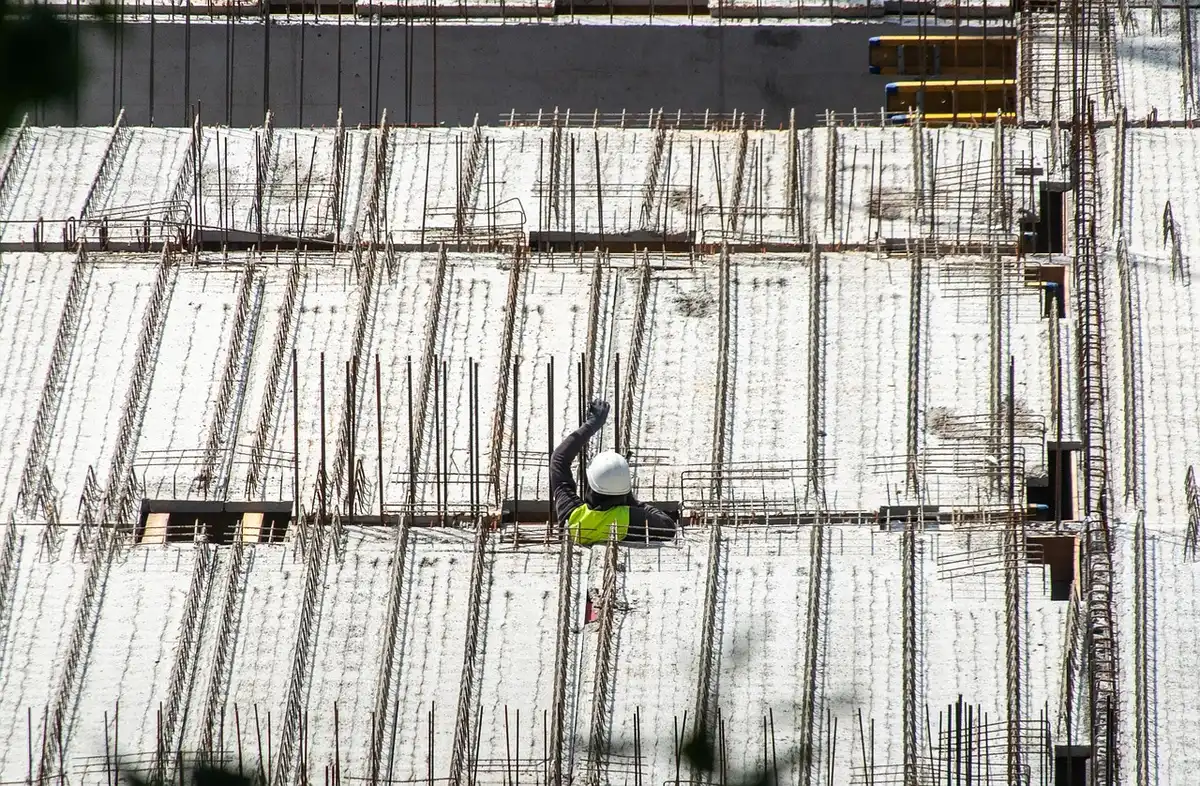
Contract wording defines who pays when schedules fall behind. Terms such as “time extension,” “liquidated damages,” and “force majeure” can shift major costs. Builders and insurers should review each clause before work begins to understand how hurricanes, floods, or permitting slowdowns affect coverage, payment timing, and liability. A knowledgeable hurricane damage lawyer often clarifies how regional storm patterns influence contract language and helps teams align coverage with real exposure. Vague phrasing often delays claim processing and triggers disputes.
Clauses must identify specific events, define measurable impact, and set written notice deadlines. Delays should be labeled excusable, compensable, or contractor-responsible. Each cost change needs a dated schedule and a signed change order. These records give both sides a clear financial trail that speeds claim decisions and prevents payment gaps during recovery.
Documentation That Protects Both Builder and Insurer
Accurate documentation resolves disputes faster by giving builders verifiable proof of progress and loss. Keep a digital daily log with weather data, crew counts, material deliveries, and milestone notes. Compare those entries with adjuster observations to identify inconsistencies early. Timely verification avoids missing information that could delay coverage approval or claim adjustments.
Add dated photos, inspection reports, and recovery summaries that show what work occurred and when. Store all files in an access-controlled folder with timestamps for quick retrieval during audits or claim reviews. Confirm every interpretation or verbal approval in writing and follow up regularly so documentation keeps payments moving and prevents stalled work.
Negotiation Tactics That Prevent Project Shutdowns
Negotiations work best when supported by exact numbers. Builders should track lost labor hours, equipment rental costs, and material price changes in a daily log. Presenting totals alongside timestamps gives proof of delay-related losses. A documented four-day idle period or overtime calculation provides a clear base for a claim and limits insurer objections.
After every discussion, send a written summary with itemized figures, promised deadlines, and response dates. Make claim updates a fixed part of the project calendar to prevent insurers from using verbal commitments that later disappear. Separate property damage issues from schedule disputes so each set of talks stays focused and leads to actionable approvals.
Risk-Sharing Terms That Minimize Disputes
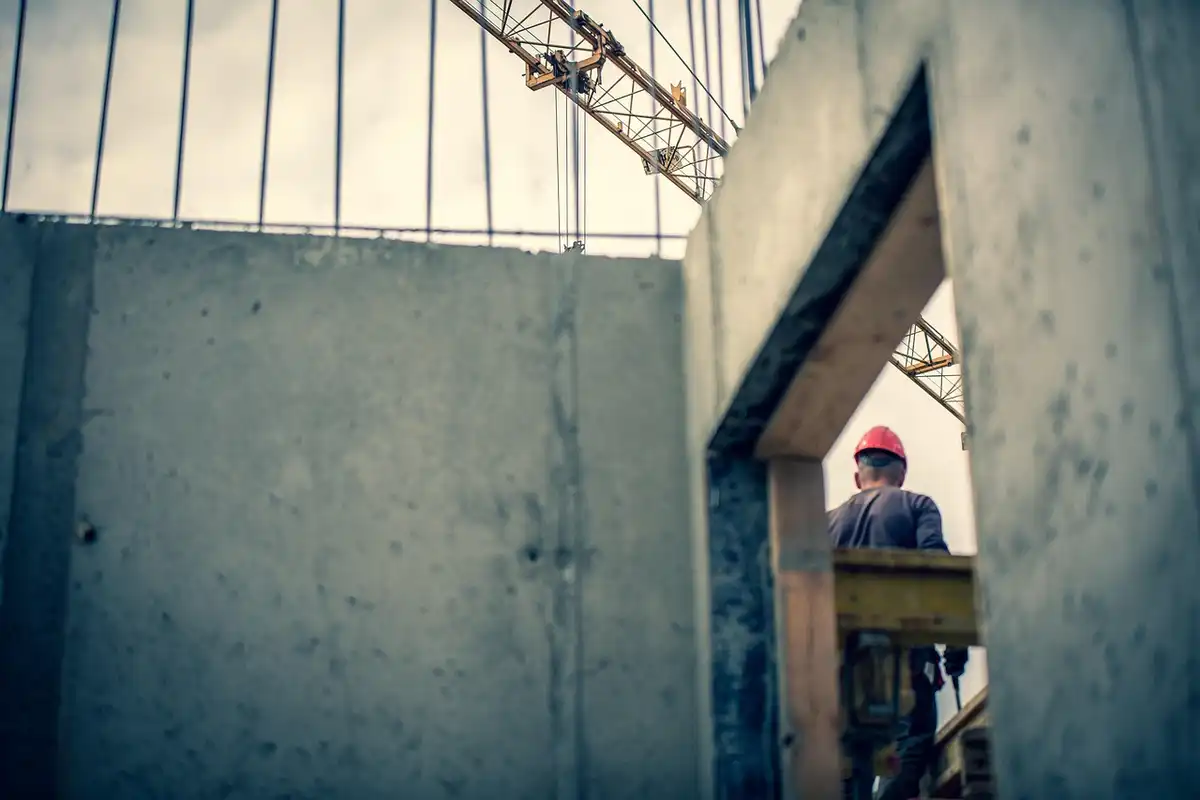
Clear risk-sharing terms reduce blame and help maintain workflow when schedules slip. Anticipating delays allows teams to use shared contingency reserves for labor shortages or price spikes. A single documentation coordinator should manage submissions, apply timestamps, and maintain one secure folder accessible to both builder and insurer for consistent records and faster reviews.
Contracts should include mediation steps triggered by missed notice windows or incomplete evidence. Payment milestones should depend on verified inspection results rather than fixed calendar dates. Linking draws and holdbacks to reports and staged approvals keeps funding tied to completed work, limits disputes, and allows uninterrupted project progress during recovery periods.
Accountability When Claims and Construction Collide
After a delay, mismatched timelines between claim processing and site work often cause idle crews and missing inspections. Regular audits of open claims identify approval gaps, missing documents, or unanswered coverage questions. Builders should assign a claims owner who tracks responses, escalates delays, and keeps payment-related tasks prioritized to protect workflow and payroll continuity.
Keep a single timestamped record for every message affecting payment or scheduling, including emails, inspection notes, and approvals. Involve legal counsel when withheld payments threaten project milestones. Each claim review should generate contract updates that close identified loopholes so future delays trigger faster, clearly measurable recovery procedures.
Clear contracts, accurate logs, and consistent written communication define who carries delay costs and how soon work resumes. Builders who track weather impacts, crew activity, and delivery schedules with timestamped photos give insurers reliable proof for claim assessments. Shared contingency funds and inspection-based payments prevent idle crews and stalled progress. Mediation clauses move disputes forward before costs rise. Each signed change order, organized record, and written claim update keeps payments on track, avoids wasted labor, and protects budgets. Precise documentation and steady coordination help builders and insurers maintain progress after storms, shortages, or permitting delays.

Comments on this guide to When builders and insurers clash who pays for construction delays article are welcome.
Structural Design & Building Construction
Building Structure & Construction Posts
Integrating humans with AI in structural design
Modular Building and Prefabricated Construction
7 Tallest skyscrapers under construction
++
Buildings
Architecture Articles
Comments / photos for the When builders and insurers clash who pays for construction delays page welcome.