UV‑resistant paints in coastal and high‑sun environments, Home painting, Property refurb advice
Beyond Aesthetics: UV‑Resistant Paints in Coastal and High‑Sun Environments
5 August 2025
Sunlight plays an essential role in our daily lives, but when it comes to the built environment, it can also be a silent adversary.
Structures located in coastal areas and high-sun regions face a constant barrage of ultraviolet (UV) radiation that slowly degrades surfaces, causes fading, and compromises protective layers. For architects, builders, and property owners, paint is more than just a finishing touch – it’s a critical layer of defense.
Many paints might look great when first applied, but without UV-resistant properties, their beauty fades quickly. This article explores how UV-resistant paints can offer both visual appeal and long-term protection in environments where the sun rarely takes a break.
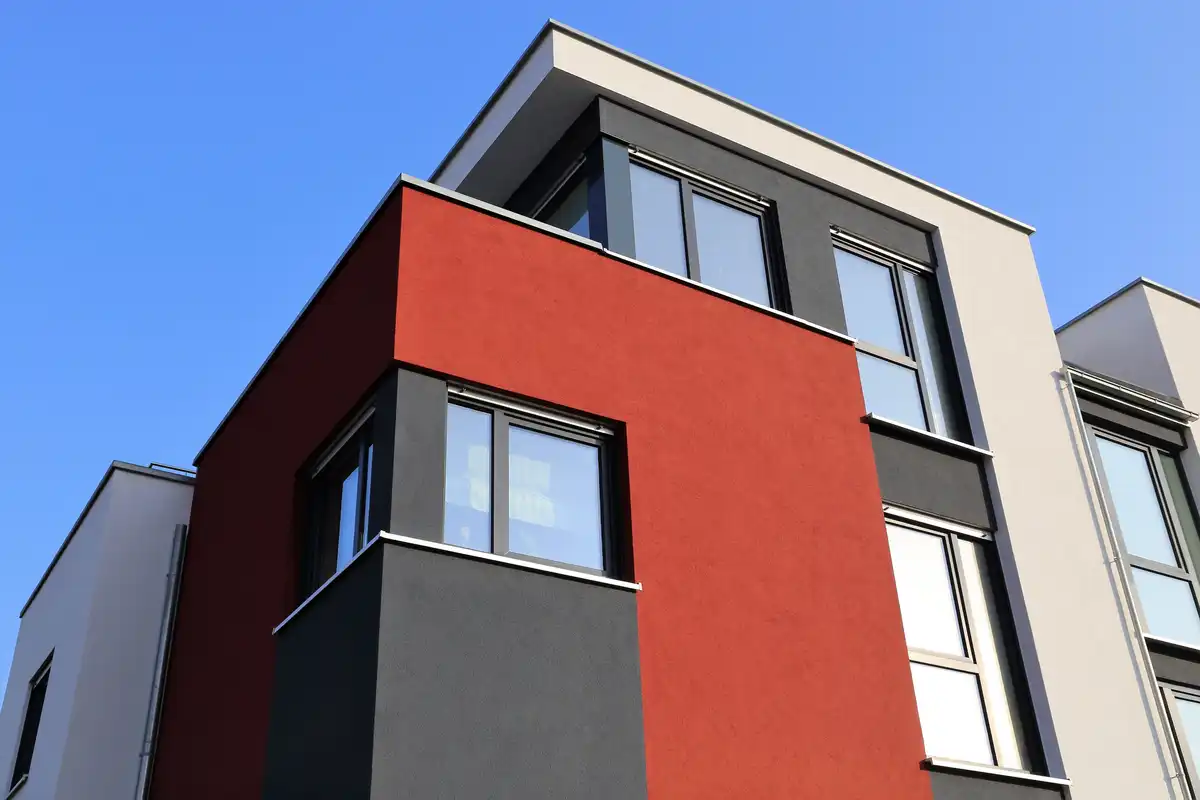
Understanding UV Exposure in Architecture
Buildings in sunny and coastal climates endure more than just heat. Ultraviolet radiation is a key factor in material degradation, and without the proper protective layers, exterior finishes can deteriorate rapidly.
Understanding the science behind UV exposure helps clarify why standard paints often fall short in these demanding settings.
What Is UV Radiation and How Does It Affect Buildings?
UV radiation is a high-energy component of sunlight that penetrates the Earth’s atmosphere and interacts with materials on building surfaces.
Over time, UV rays break down the chemical bonds in paints, sealants, and other coatings. This leads to fading, chalking, brittleness, and eventual failure of the protective surface. Without UV-resistant features, even the most visually stunning exterior finishes may need premature reapplication.
Environmental Zones at Risk: Coastal vs. Inland High-Sun Areas
- Coastal regions deal with a challenging mix of intense sunlight, high humidity, and salty air. The salt accelerates corrosion, while UV radiation fades colors and weakens coatings.
- Inland high-sun areas, such as desert climates, may lack the salt, but they present just as much of a challenge with relentless sunshine and extreme temperature fluctuations.
In both cases, buildings need materials that can endure under stress.
Common Materials Vulnerable to UV Damage
Exterior wood, vinyl siding, stucco, metal cladding, and even concrete can suffer under prolonged UV exposure.
- Wood tends to dry out, fade, and crack.
- Plastics become brittle.
- Unprotected metals may corrode faster.
UV-resistant paints help form a barrier against these effects, maintaining both the appearance and performance of the underlying material.
The Role of UV-Resistant Paints
When it comes to defending against UV-related wear and tear, specialized paints are the first line of defense. These coatings are engineered to reflect or absorb UV rays, slowing down the degradation process and extending the life of the finish.
How UV-Resistant Paints Work
UV-resistant paints incorporate stabilizers and additives that either block or scatter ultraviolet radiation. These compounds prevent the sun’s energy from penetrating deep into the paint film, reducing the breakdown of color pigments and binders.
Some paints even include ceramic particles or reflective agents to improve performance in extreme sunlight.
Key Components: Binders, Pigments, and Additives
The durability of UV-resistant paint depends on the quality of its ingredients. High-grade binders ensure flexibility and adhesion. Pigments designed for colorfastness resist fading, and UV blockers or absorbers are added to neutralize radiation.
Together, these elements create a finish that resists cracking, blistering, and discoloration.
Typical Lifespan and Maintenance Benefits
With proper application, UV-resistant exterior paints can last significantly longer than standard coatings – often 8 to 15 years, depending on environmental conditions.
This reduces the need for frequent repainting, which saves money over time and helps maintain a building’s visual appeal and structural health.
Design Meets Durability: Choosing Paint for Harsh Environments
Choosing paint for a sunny or coastal location isn’t just about color. It’s about selecting a product that can maintain that color and surface integrity for years to come.
Balancing Aesthetic Goals with Functional Performance
Architects and designers must weigh the desire for bold or natural hues with the technical needs of the building.
Not all colors resist UV equally – darker shades tend to absorb more heat and degrade faster. Fortunately, many manufacturers now offer UV-resistant paints in a wide range of finishes and palettes, allowing for both form and function.
Popular Colours and Finishes That Hold Up in Harsh Sun
Lighter shades such as off-whites, pale blues, and sandy tones tend to reflect more light, which helps in maintaining lower surface temperatures and reducing UV stress.
Matte and satin finishes are often preferred in high-exposure areas due to their ability to hide minor surface imperfections and resist glare.
Paints That Protect More Than Just Colour
Beyond preserving color, UV-resistant paints can also prevent underlying material damage.
These paints often act as a moisture barrier, shielding substrates from water intrusion that could otherwise lead to rot, rust, or mold growth. In this way, the right paint becomes part of the building envelope’s overall performance.
Case Study Snapshots
Real-world examples help highlight the practical value of UV-resistant paint systems. Whether the challenge is salt spray from coastal winds or blazing sun in remote inland towns, the right paint can preserve both aesthetics and structure.
1. Coastal Apartment Complex: Combating Salt and Sun
A multi-story apartment block located near the ocean in Queensland experienced severe paint fading and cracking just five years after its last repaint.
After switching to a UV-stabilized elastomeric coating, the complex not only regained its vibrant appearance but also reduced repainting costs and surface maintenance.
2. Commercial Retail Facade in a High-UV Zone
A retail storefront in inland Australia faced consistent exposure to sunlight, which caused its signage and trim to fade dramatically.
With a switch to a high-performance UV-resistant enamel, the business maintained a professional look for over a decade with minimal touch-ups.
Application Techniques That Make a Difference
Even the best paint won’t perform well if it’s applied poorly. The success of a UV-resistant system depends heavily on proper surface preparation and adherence to manufacturer guidelines.
Surface Preparation for Maximum Longevity
Before painting, surfaces must be clean, dry, and free of peeling or loose material. In coastal areas, removing salt deposits is critical.
Etching, sanding, or priming may be necessary depending on the substrate to ensure maximum adhesion and performance.
Primers, Sealers, and Multi-Coat Systems
Using a primer that’s compatible with both the substrate and topcoat is essential. Sealers can help lock out moisture, and layering with multiple coats, including a final UV-blocking topcoat, provides long-term resilience in harsh conditions.
Professional vs. DIY: Why Expertise Matters
While small-scale projects may be suitable for DIY efforts, large-scale or exposed surfaces benefit greatly from professional attention. Specialists understand how to prepare surfaces based on climate and exposure, select the right coatings, and apply them correctly.
Services from companies like Advanced Painting in Sydney offer expert advice and applications tailored to UV-intensive and coastal environments, helping clients extend the life and look of their properties.
Where to Source UV-Resistant Paints and Expertise
Not all paint suppliers or contractors are equipped to handle UV-specific needs. It’s important to choose products and professionals that understand environmental exposure and can recommend coatings with proven durability in tough climates.
From choosing the correct finish to ensuring proper application methods, experienced providers bring long-term value and peace of mind.
Conclusion
In sunny and coastal regions, paint serves a far more important role than just enhancing curb appeal.
UV-resistant coatings are a vital part of protecting building exteriors from fading, cracking, and material decay. As more architects and property owners recognize the importance of these solutions, innovations in smart coatings and sustainable formulations are likely to follow.
The next time you’re choosing a paint product, think beyond color. Think performance, protection, and durability, all delivered through the right UV-resistant solution.
Comments on this guide to UV‑resistant paints in coastal and high‑sun environments article are welcome.
Property Painting
Painting Your Home
Impact of professional painting services
Best paint colors for homes in 2024
What to know before picking a painting brush
Advantages of painting exterior of your house
Painting Tips for Do-it-Yourselfers
Architects and Architecture
Architects and Architecture by Type – architectural selection below:
Comments / photos for the UV‑resistant paints in coastal and high‑sun environments advice guide page welcome.