Timeless Elegance: How Traditional Railing Components Are Used in Modern Builds
post updated 26 August 2026
26 August 2025
In the world of architecture and design, there is a constant push toward innovation sleeker forms, cutting-edge materials, and minimalist aesthetics. Yet, amid the demand for modernity, there remains a deep appreciation for tradition.
Nowhere is this balance more visible than in railing systems, where traditional railing components continue to hold their place in contemporary builds. These elements, rooted in centuries of craftsmanship, provide not only structural integrity but also timeless elegance that complements even the most modern environments.
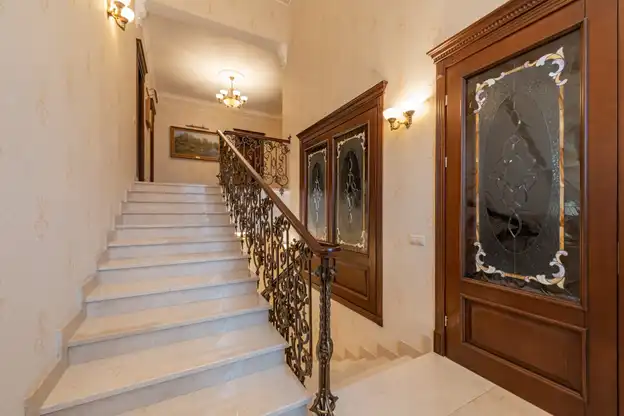
image source : pexels.com
The Lasting Appeal of Traditional Railings
Traditional railings such as balusters, newel posts, handrails, and decorative connectors have long been admired for their ability to combine safety with beauty. Unlike plain industrial-style barriers, these elements bring warmth, detail, and sophistication to both interior and exterior spaces. Their enduring appeal lies in their versatility: traditional designs can blend seamlessly into classic settings while also standing out as bold, ornamental contrasts in modern builds.
In many ways, the continued use of traditional railing components speaks to the human desire for connection with heritage. Designers and homeowners often seek ways to ground contemporary spaces in timeless design principles, ensuring that projects not only look impressive today but also age gracefully for years to come.
Bridging Classic Craftsmanship with Modern Design
Modern builds often emphasize clean lines, open spaces, and minimalistic finishes. At first glance, traditional railing components with their curves, intricate details, and classic proportions might seem out of place. However, skilled architects and builders are increasingly blending these seemingly opposite styles to create stunning results.
For instance, consider a modern open-plan home where glass walls and steel beams dominate the structure. Introducing a traditional wrought iron baluster system or a wood handrail with turned spindles adds warmth and texture to an otherwise stark environment. The contrast draws attention to the railing as both a safety feature and a decorative centerpiece.
Another example is the resurgence of mixed-material railing systems. Designers today combine traditional elements like wood or brass with modern materials such as stainless steel or tempered glass. The result is a balanced aesthetic that feels grounded in tradition while embracing innovation.
Traditional Components That Elevate Modern Spaces
- Balusters – Ornamental balusters, whether made of iron, wood, or brass, are central to traditional railing design. In modern builds, they are often used sparingly to create a focal point without overwhelming the clean lines of the structure. Slim, intricately designed balusters can provide detail and elegance while still complementing contemporary layouts.
- Newel Posts – These anchor points at the base and top of staircases remain essential in design. Traditional newel posts, often carved or turned, bring character and craftsmanship to minimalist interiors. When paired with modern handrails, they create a striking juxtaposition that elevates the entire staircase.
- Handrails – A handrail’s form and finish can set the tone for an entire space. Traditional wooden handrails, with their rounded profiles, add a tactile warmth to sleek modern staircases. Metal handrails inspired by classic designs can also provide durability while maintaining a timeless aesthetic.
- Decorative Connectors and Fittings – Often overlooked, connectors and fittings are where traditional craftsmanship shines. Brass or iron components with decorative flourishes serve both functional and aesthetic roles. In modern builds, these subtle details can make an otherwise simple railing system stand out.
Applications in Contemporary Architecture
Traditional railing components are finding their way into a variety of modern applications:
- Residential Spaces: Homeowners are increasingly choosing railing systems that offer both durability and timeless beauty. Whether in staircases, balconies, or porches, traditional details add depth to otherwise minimalist homes.
- Commercial Buildings: Offices, restaurants, and hotels often integrate traditional railing elements to soften modern architecture and create a welcoming atmosphere. For example, a boutique hotel lobby with sleek marble floors may feature wrought iron railings that evoke heritage and luxury.
- Public Spaces: Parks, libraries, and cultural centers use traditional railings not only for safety but also to connect communities with historical design motifs. These details can make public spaces feel both secure and inviting.
The Value of Timeless Design
Trends come and go, but the timeless appeal of traditional railing components ensures their relevance across generations. By incorporating them into modern builds, architects and designers achieve more than just structural solutions they create visual continuity between past and present. This blend of tradition and modernity results in spaces that feel both contemporary and enduring, appealing to a wide range of tastes and styles.
Moreover, traditional components often outlast purely trendy design choices. Their proven durability and craftsmanship mean they not only serve as beautiful accents but also as long-term investments in the quality and character of a building.
Conclusion
Modern architecture may lean toward minimalism, but the inclusion of traditional railing components ensures that elegance and heritage are never left behind. From ornate balusters to classic handrails and decorative fittings, these timeless details enhance modern builds by adding depth, warmth, and sophistication.
In the end, it is this marriage of tradition and innovation that allows contemporary spaces to transcend fleeting trends and achieve a true sense of timeless elegance.
Comments on this guide to Timeless elegance: how traditional railing components are used in modern builds article are welcome.
Home Balustrades Designs
Home Railing, Balustrades, Rails and Balusters
Types of contemporary glass railing in buildings
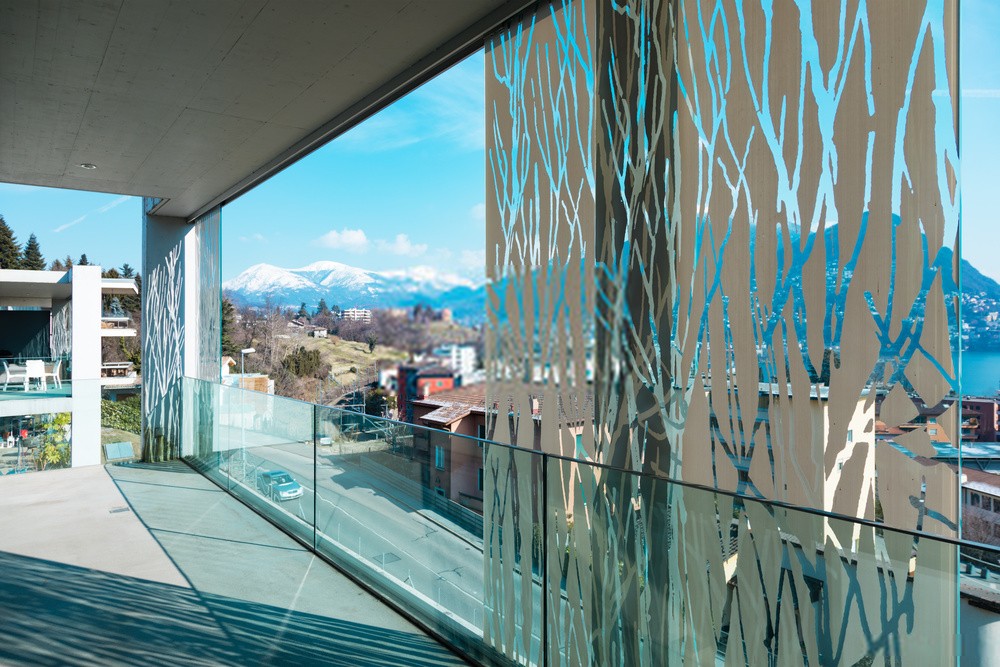
Advantages of cable railing systems
++
Building Articles
Building Articles – Selection
Pier 4 Office Building, Boston, MA, USA
Design: Elkus Manfredi Architects
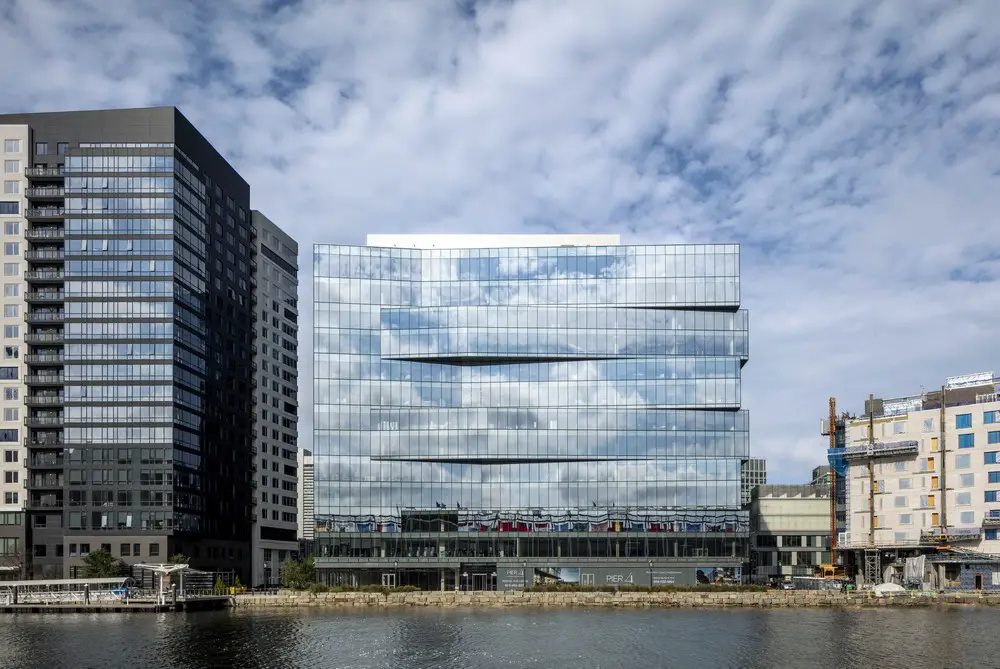
photo © Magda Biernat
Comments / photos for the Traditional railing components in modern builds page welcome