Exploring the Synergy of Architecture and Experience
17 November 2025
In an age where architecture is no longer merely about shelter but about experience, the built environment increasingly weaves together design, destination, technology and culture. As readers of e-architect appreciate groundbreaking buildings across continents, there is also an opportunity to view architecture through a broader lens: one that embraces travel, media, and digital innovation. By doing so, we uncover how our structures shape lives, stories and connections.
Architecture as Destination
When we travel, we don’t just visit places — we engage with design. From a sleek museum pavilion to an immersive urban rooftop, architecture becomes part of the journey. Indeed, for many keen travellers and design aficionados, buildings themselves are landmarks to be sought out. By embracing architecture as part of a travel itinerary, we allow our visits to transcend the usual ‘stay and see’ model. A museum, hotel or public building becomes a moment of discovery; a photograph becomes a testament to place.
The Media Dimension of Architecture
Architecture does not exist in a vacuum: it is mediated, discussed, critiqued, and shared. Whether through specialized sites (such as e-architect), social platforms, or digital press, the way we talk about buildings influences how we inhabit them. Just as emerging websites deliver real-time stories from construction sites and design studios, equally important are platforms offering timely commentary on built environments. One such platform is digital news, which underscores the importance of free-flowing media in shaping architecture’s public footprint.
When architecture becomes part of the news cycle, it invites broader engagement: local communities, policymakers, tourists, and design professionals alike. That cyclical visibility helps elevate built-forms from mere structures to cultural assets.
The Role of Technology and Design Systems
Modern architecture increasingly leans on technology — not just in construction methods, but in how buildings are managed, audited, and communicated. With integrated Building Information Modeling (BIM), smart-systems, and data-driven sustainability, the architecture profession is simultaneously becoming and collaborating with digital. On that note, understanding the tools behind architecture-finance, project management and operational workflows is key. For professionals seeking solutions, resources such as accounting software illustrate how administrative systems underpin creative outcomes.
When architects, developers and facility managers harness the right platforms, they can streamline everything from cost-tracking to lifecycle analysis, freeing creative energy for design and impact.
A Global View: Buildings as Story Carriers
From a minimalist residence in the tropics to a high-rise in an urban skyline, each building carries a story: of place, climate, culture and ambition. e-architect’s expansive coverage of projects — from China to Ireland, Brazil to Canada — reminds us that architecture reflects context. For instance, the recently covered project of a museum in China, described as a “village of 12 pavilions under a ribbon-like roof,” is more than a form; it’s an interpretation of garden and pavilion traditions within a contemporary framework.
By viewing architecture as a global conversation, we appreciate how regional material culture, climate-responsive design, and international collaboration shape the built landscape. Travel, media and technology all feed into that conversation.
Building the Visitor Experience
Architectural tourism is a growing subsector within travel: many travellers now seek out landmark buildings, design walks and architectural tours. As e-architect references indicate, design-led trips across 82 cities are offered through architecture walking tours. The visitor experience is no longer limited to photographing façades; it includes narrative, context and ambience.
For architects and designers, this means thinking beyond the form and function of a building: how does it feel to arrive? How does it draw the visitor in? What story does it tell? Visitor-centred architecture leads to inclusive, layered and enduring spaces.
Sustainability and Accountability in Design
A core tenet of contemporary architecture is sustainability — but sustainability is not just about materials or energy systems. It also encompasses how we manage buildings, integrate their lifecycle, and engage users. When technology supports transparency (for example in cost-tracking or performance monitoring), architecture becomes accountable and adaptive. This is where the integration of accounting software and digital tools meets design practice.
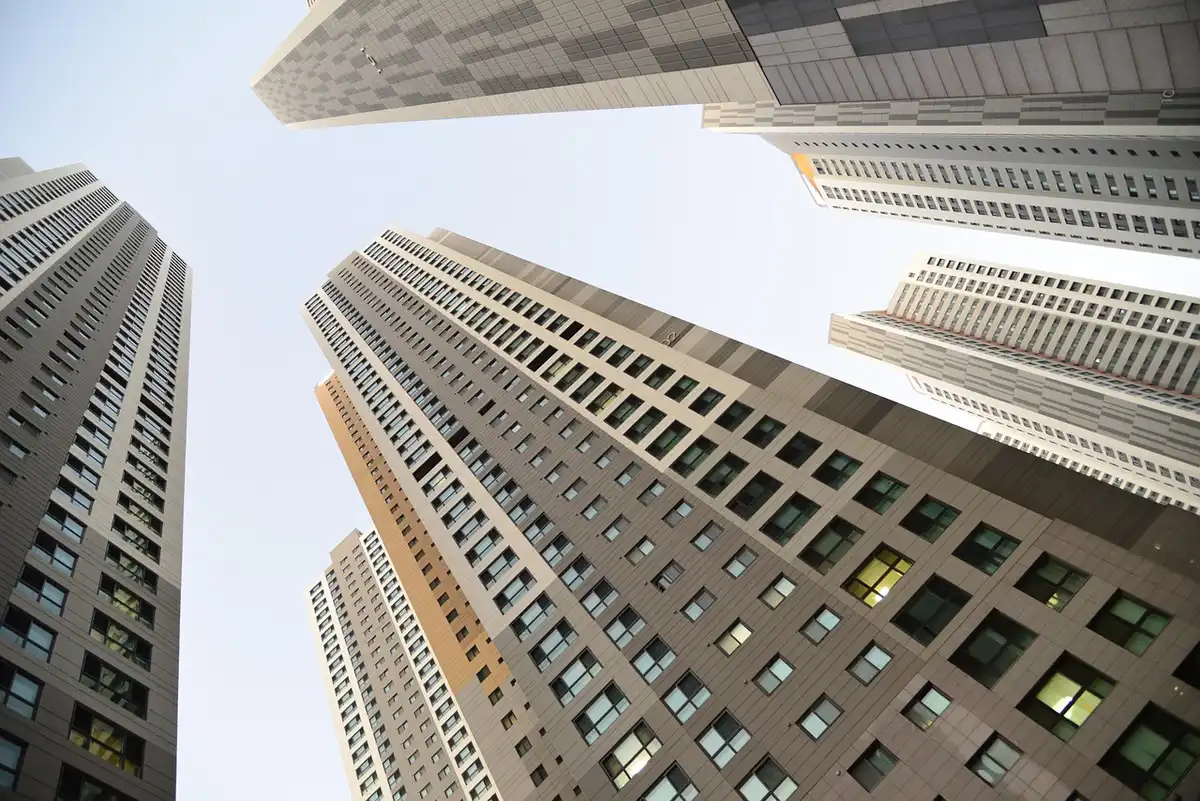
When a cultural centre, hotel or apartment tower includes real-time monitoring of energy usage, occupancy or adaptation, it becomes a dynamic living entity rather than a static object. Integrating sustainability into the visitor experience makes architecture meaningful, not just buildable.
Hospitality Architecture: Where Travel Meets Design
One of the most exciting intersections between architecture, travel and design can be found in hospitality projects: hotels, resorts, retreats. These spaces must perform multiple roles: lived-spaces for guests, iconic destinations for travellers, and functional assets for owners. When done well, they become immersive: guests engage with architecture, design, and place simultaneously.
For example, when travel magazines highlight luxury destinations, the architecture of those hotels is part of the story. It’s an opportunity to explore how design-driven interiors, landscape-integration, and local culture merge to craft a memorable stay.
Media Coverage and Building Legacy
Media coverage is the bridge between architecture and public perception. Whether a local news site reports on an innovative community centre or a global platform features a museum, the way buildings are portrayed influences legacy. The role of digital news platforms — like the one previously referenced — is thus pivotal: they amplify architecture’s societal role, enable public dialogue, and preserve visual history.
Buildings designed today will be visited, studied and potentially repurposed for decades. A well-covered project fosters community attachment, tourism and long-term relevance.
Final Thoughts: A Holistic Approach
In summary, architecture in the 21st century thrives at the intersection of design, destination, media and digital systems. For the audience of e-architect — whether architects, students, travellers or enthusiasts recognising this convergence enriches our understanding of the built environment.
As you read about the latest pavilions, towers or cultural buildings on this site, consider the full spectrum: the travel experience, the media narrative, the operational technology, and the sustainability embedded within.
And for those seeking inspiration in the residential space, innovative home-planning ideas can also be explored through thoughtful design tools and resources that help shape future-ready living environments.
Comments on this Exploring the Synergy of Architecture and Experience in the 21st Century article are welcome.
Hotel Design
Hotels and Accommodation
Peculiar Hotels from All Over the World
Why are hotel owners turning buildings into affordable housing?
5 hotels combining great architecture and top technology
++
Building Articles
Architecture
Steigenberger Hotel & Spa in Krems
Comments / photos for the Exploring the Synergy of Architecture and Experience in the 21st Century page welcome