
New Homeowners Should Learn This Sooner Than Later
4 March 2026

Buying a home is exciting, but the learning curve hits fast. Many new homeowners realize within the first year that owning a house comes with responsibilities they were never taught.
Things break, systems need care, and small issues don’t stay small for long. The stress often comes from not knowing what deserves attention and what can wait. This uncertainty leads to rushed decisions, unnecessary expenses, and frustration that could have been avoided. The good news is that most homeownership problems are predictable once you know what to look for. Learning a few key lessons early can help you stay ahead of issues.
Homes Need Ongoing Care
A home doesn’t stay in good shape on its own, even if everything looks fine. Many systems slowly wear down with daily use, weather changes, and time. New homeowners often assume maintenance only matters when something breaks, but that mindset usually leads to higher repair costs later. Simple habits like checking seals, cleaning filters, and watching for small changes can prevent bigger problems. Ignoring routine care allows minor wear to turn into damage that affects comfort and safety. Learning to treat maintenance as part of normal homeownership helps you stay in control.
Knowing When DIY Stops Helping
Fixing things yourself can feel rewarding, especially after buying a home. Some tasks are safe to handle, but others carry real risks when done without the right experience or tools. Garage doors are a common example. They look simple, yet they rely on heavy panels, high-tension springs, and precise alignment. One wrong adjustment can cause injury or damage the system. Knowing your limits protects both your home and your budget. When a repair involves moving parts or spring tension, calling a professional garage door service helps avoid costly mistakes and keeps everyone safe.
Maintenance Schedules Actually Matter
Maintenance schedules may sound optional, but they exist for a reason. Every system in your home works better and lasts longer when checked at regular intervals. New homeowners often delay upkeep because everything seems fine at first. That delay can lead to sudden breakdowns at the worst time. Regular servicing helps spot worn parts early and keeps systems running smoothly. It also reduces surprise failures that interrupt daily life. Creating a simple maintenance calendar helps you stay organized and avoid forgetting important tasks. Over time, this habit saves money and prevents stress. Treating maintenance as routine rather than optional makes homeownership far more manageable and predictable.
Planning for Repairs From Day One
Unexpected repairs are one of the biggest shocks for new homeowners. Even well-maintained homes need fixes over time. Waiting until something breaks to think about costs adds stress to an already difficult moment. Setting aside money specifically for home repairs helps you respond calmly instead of scrambling. This doesn’t need to be a large amount at first. What matters is building the habit early. A dedicated repair fund gives you options and prevents you from postponing necessary work. Planning ahead also helps you make better decisions instead of choosing the cheapest short-term fix. Financial preparation makes homeownership feel stable rather than overwhelming.
Some Home Parts Wear Out Faster Than Others
Not every part of your home ages at the same pace. Items that move often or handle weight tend to wear down sooner than walls or floors. Doors, hinges, openers, and mechanical components experience daily stress that slowly affects performance. New homeowners sometimes focus only on visible areas and forget about parts that quietly do the work. Learning which systems wear out faster helps you plan maintenance and budget smarter. It also helps you notice changes sooner. When you understand which areas need closer attention, you avoid sudden failures that interrupt daily routines. Awareness makes upkeep easier because you’re no longer guessing where problems might appear first.
Keeping Track of Home Repairs Pays Off
It’s easy to forget when repairs happen, especially during a busy first year of homeownership. Keeping simple records helps more than most people realize. Knowing when systems were serviced or parts were replaced helps you plan future maintenance and avoid duplicate work. It also makes troubleshooting easier when problems come back. Repair records are useful during warranty claims and can add value if you sell your home later. You don’t need anything complicated. A basic digital note or folder works fine. Building this habit early keeps information organized and reduces stress. It also helps you make informed decisions instead of relying on memory.
Learn Where Key Controls Are Located
In an emergency, every second matters. New homeowners often don’t know where shut-off valves, breaker panels, or control switches are until they need them. That delay can lead to more damage and higher repair costs. Take time early on to locate water shut-offs, electrical panels, and main controls for major systems. Make sure everyone in the household knows where they are. This simple step gives you control during leaks, power issues, or equipment failures. Familiarity also helps when professionals need access quickly. Knowing your home’s layout isn’t about technical skill. It’s about being prepared before a problem happens.
Local Experts Make Homeownership Easier
Online advice can be helpful, but it doesn’t replace local knowledge. Homes are affected by regional weather, building styles, and local codes. Professionals who work in your area understand these factors better than anyone else. Building relationships with reliable local experts saves time and reduces guesswork when issues arise. You’re more likely to get practical advice that fits your home and environment. Asking questions early helps you learn what to watch for and when to act. Over time, this guidance helps you avoid mistakes that come from relying on general advice. Trusted local support makes homeownership feel manageable instead of overwhelming.
Owning a home comes with a learning curve, but it doesn’t have to feel confusing or stressful. Most problems new homeowners face are preventable with awareness, planning, and timely action. Paying attention to how your home functions helps you respond before issues grow. Knowing when to handle tasks yourself and when to call for help protects both your safety and your budget. Simple habits like record keeping and learning your home’s layout build confidence over time. Homeownership becomes easier when you stop reacting to problems and start anticipating them. Learning these lessons early helps you enjoy your home instead of constantly worrying about it.
Comments on this guide to Things New Homeowners Should Learn Sooner Than Later article are welcome.
Water / Floods Articles
Water / Floods Posts
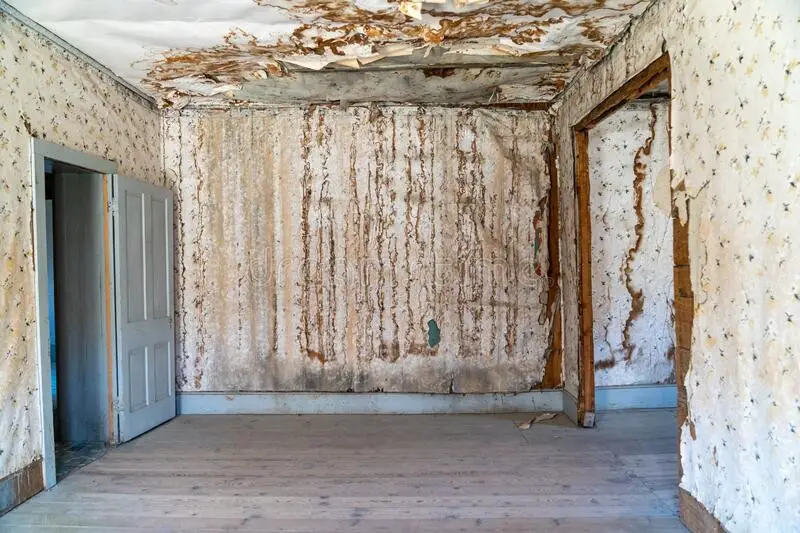
Water damage from leaks: construction lawsuits

Water damage cleanup and repair service
Water damage restoration professional tips
Architects and Architecture
Architects and Architecture by Type – architectural selection below:
Comments / photos for the Things New Homeowners Should Learn Sooner Than Later page welcome.
