Specifying Natural Wood Dining Tables in Interiors
2 June 2026
The dining table anchors the residential interior more than almost any other piece. It sets the room proportion. It carries the daily wear of family life. It reads as a material statement the moment a visitor walks in. Designers who treat the table as an afterthought usually regret it at handover.

Photo by Curtis Adams on Pexels
Alt text: A solid wood dining table in a daylit modern interior
Natural wood remains the default answer for a reason. The material ages well, repairs cleanly, and reads as honest in a way few engineered surfaces match. A maker such as the handmade tables workshop in Los Angeles shows how locally sourced and reclaimed lumber now reaches the residential specification market. The guide below covers how to specify the piece well.
Why Does the Dining Table Carry So Much Design Weight?
The dining table carries outsized design weight because it sits where function, proportion, and daily use meet. A poorly chosen table undercuts an otherwise resolved room. A well-chosen one lifts the whole space.
Three shifts explain the renewed attention to solid-wood specification. First, the sustainability conversation has matured. Designers now weigh reclaimed and locally milled lumber against a broader life-cycle picture, set out clearly in the federal guidance on sustainable materials management.
Second, the supply side has broadened. Urban-salvage lumber, reclaimed beams, and small-workshop production now reach the residential market at accessible price points. The designer who knows the sources specifies with more confidence.
Third, clients ask better questions. Homeowners increasingly want to know where the wood came from, how it was finished, and how it will hold up across a decade of meals.
What Six Criteria Anchor a Strong Table Specification?
Six criteria reliably anchor a sound natural-wood table specification for any residential project.
- Species and grain. The wood species sets the hardness, color movement, and grain character that drive the visual result.
- Source and provenance. Locally milled, reclaimed, or certified lumber each carry different sustainability and story value.
- Joinery quality. Mortise-and-tenon and breadboard ends outlast butt-jointed assembly across the table’s life.
- Finish durability. The finish system determines how the surface handles spills, heat, and daily wear.
- Proportion to room. The table footprint must leave the circulation clearance the dining space needs.
- Maker reliability. A workshop with a clear lead time, documented process, and repair support reduces the specification risk.
The dining-table decision sits inside the same low-carbon material thinking the wider profession now applies, and the six criteria above bring that thinking down to the specification itself.
How Should a Designer Approach the Maker Conversation?
The maker conversation runs cleanest when the designer treats it as a specification exercise rather than a catalog order.
The first step is the shortlist. Two or three workshops with documented residential work and a clear material story. The table decision also has to sit inside the broader budget for furnishing a home without crowding out the rest of the room.
The second step is the brief. The designer shares the room dimensions, the seating count, the finish expectations, and the project timeline. The workshop responds with species options, joinery details, and a written lead time.
The third step is the comparison. The designer reviews each workshop’s material sourcing, joinery approach, finish system, and lead-time reliability before committing. Weighing a custom piece against an off-the-shelf DIY home project helps frame the real value of the commission. A 6-seat or 8-seat table also has to serve a multi-generational household that spans 3 generations at once.
What Are the Common Specification Mistakes to Avoid?
Five recurring mistakes show up across residential specifications.
- The proportion-after-the-fact default. Choosing the table before confirming the circulation clearance produces a room that cannot be walked around comfortably.
- The finish-blind habit. Specifying a beautiful surface without confirming the finish system guarantees early wear in a working dining room.
- The single-quote pattern. Ordering from one workshop without a comparison removes the data the specification benefits from.
- The provenance-skip move. Failing to confirm the lumber source leaves the sustainability story unsupportable when the client asks.
- The lead-time-blind habit. Forgetting to confirm the workshop’s lead time against the project schedule can stall the handover.

Photo by Ono Kosuki on Pexels
Alt text: A woodworker shaping a solid wood table in a workshop
A Quick Specification Reality Check
A short pre-order pass covers the questions worth confirming before issuing the table specification.
- Confirm the table footprint against the room circulation clearance
- Verify the wood species against the expected daily-use load
- Confirm the finish system handles spills, heat, and wear
- Review the workshop’s joinery details in writing
- Confirm the lumber provenance for the client’s sustainability questions
- Match the workshop lead time against the project schedule
Specifying a Table That Ages With the Room
A natural wood dining table pays back the care a designer puts into specifying it. Material, proportion, joinery, and finish all combine into a piece that anchors the room and ages with it rather than against it.
The specification effort is modest against the visual return. A table chosen with care reads as resolved at handover and holds that quality across the years of use that follow. The right workshop respects that approach rather than rushing it.
The decision also compounds across a designer’s portfolio. The workshops and sourcing relationships built on one project carry into the next, shortening the specification work each time the dining table comes up again.
Frequently Asked Questions
Which Wood Species Suit a Working Dining Room?
Hard maple, white oak, and walnut all handle daily dining use well. The choice depends on the desired color, grain character, and budget. Softer species like pine read beautifully but mark more easily under daily wear.
How Long Does a Custom Wood Table Usually Take?
Most small-workshop commissions run eight to sixteen weeks depending on the species availability, the design complexity, and the workshop’s current queue. Confirming the lead time against the project schedule early prevents handover delays.
Is Reclaimed Wood Suitable for a Dining Table?
Yes, when the workshop has dried, milled, and stabilized the material properly. Reclaimed lumber carries strong provenance value and visual character, though it can introduce color and grain variation the client should expect.
How Should the Finish Be Specified?
The finish should match the expected use. A hardwax oil reads natural and repairs easily; a catalyzed lacquer resists spills and heat more aggressively but is harder to spot-repair. The designer should confirm the trade-off with the maker before ordering.
Comments on this guide to reasons why wood is a great choice for your dining table article are welcome.
Home Dining Tables
Home Dining Tables
Wood Dining Table for your Home
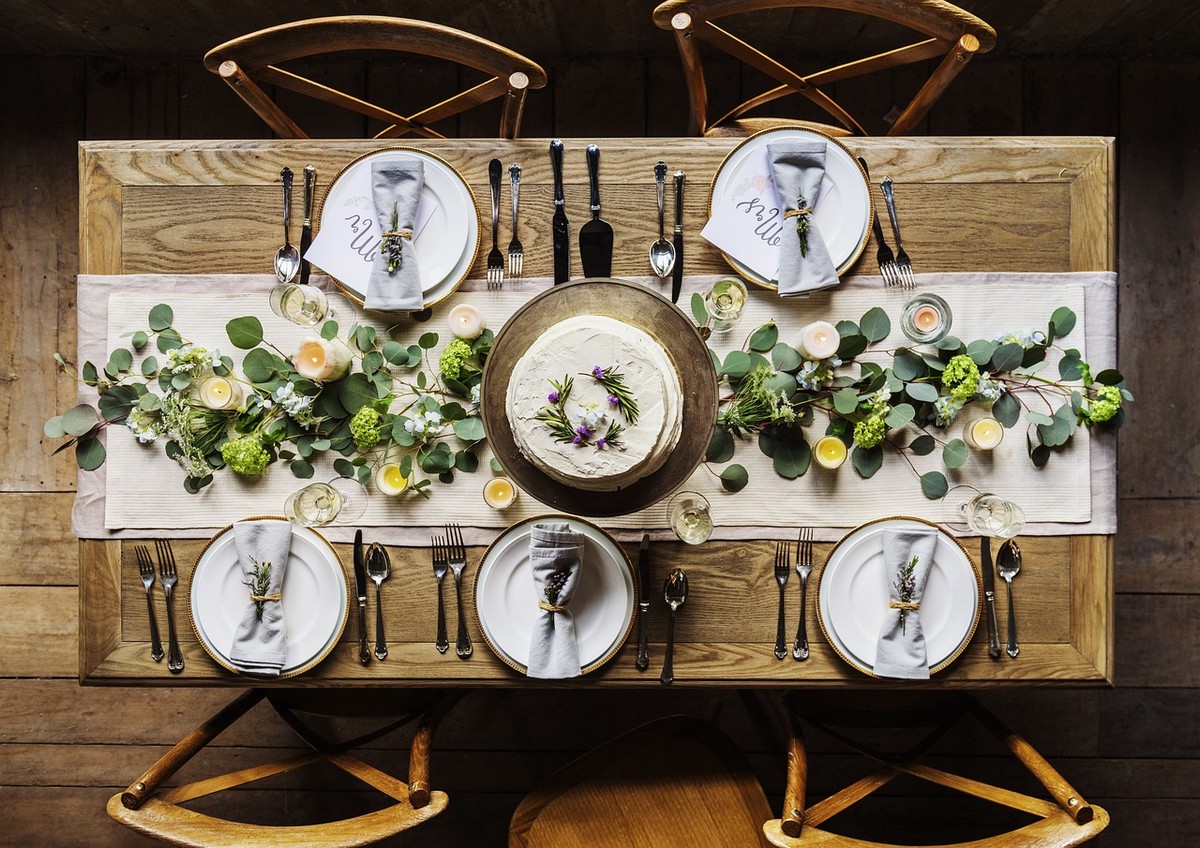
Different Types Of Dining Table Materials
Best dining table for your house
++
Building Articles
Residential Architecture
Comments / photos for the Reasons Why Wood Is A Great Choice For Your Dining Table page welcome