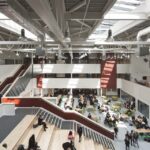
Designing for Play: Architecture of Tomorrow’s Schools and Learning Spaces
post updated 22 August 2026
22 August 2025
For a long time, the plan for a school was very similar: long, sterile hallways with identical classrooms, each with rows of desks facing a single authority figure at the front. This industrial model, which was made to be efficient and standardized, is quickly being replaced by a new way of thinking about architecture that recognizes play as an important but often overlooked part of learning.
It’s not enough to just use new materials or make buildings look nice. It’s also about making them so that people can be curious, work together, and get around. It’s about making places that know that play isn’t a break from learning; it’s what makes learning happen.
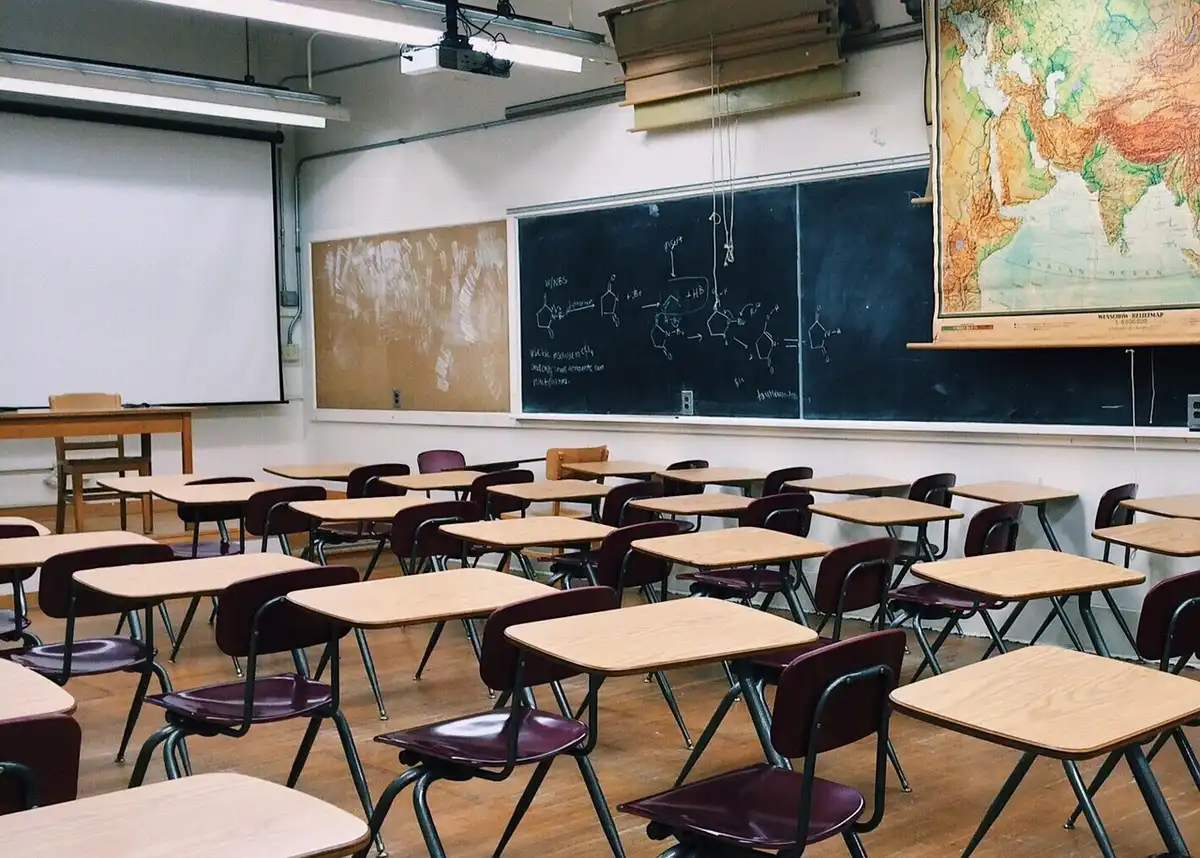
The Instruction of Enjoyable Environments
Modern educational research consistently shows that active, playful participation leads to better memory, better problem-solving skills, and better social and emotional growth. You can see this style of teaching in buildings. When we build schools that are flexible, immersive, and connected to nature, we are making a place for a more complete form of learning.
Here are some key ideas behind this new design philosophy:
Fluidity Over Rigidity: Walls can now move, furniture can be arranged in different ways, and rooms can be used for more than one thing. One room can go from being a quiet place to read to a place for people to work together on a project to a stage for a play in just a few minutes. This flexibility lets students control their environment and lets learning happen on its own.
Biophilic Design: This idea brings elements of nature into the built environment. People feel less stressed, can focus better, and feel more connected to nature when they have large windows that let in a lot of natural light, indoor gardens, classrooms that open up to outdoor learning areas, and natural materials like wood and stone.
Different Modes Zones: Schools are adding more types of rooms instead of just one type of room for everyone. There are “huddle rooms” for small-group brainstorming, “caves” for quiet individual work, “watering holes” for large-group discussion, and “campfires” for learning from an expert. All of these areas know that people learn in different ways.
The City as a Classroom: The best schools make it less clear where the school ends and the community begins. The clear walls let people see what’s going on in the classrooms, and anyone can use public spaces like libraries, theaters, and gyms. This teaches students that they are part of a bigger system and that everyone in the community should keep learning for the rest of their lives.
The Role of Technology and Imagination: In these places that are ready for the future, technology is fully integrated and not just stuck in a cold computer lab. It is a tool for making things, like 3D printers in makerspaces, interactive whiteboards for working together, and VR stations for learning about history or science in a deep way. All of these things make learning more fun and give you new ideas.
But at its heart, designing for play is about getting people to think outside the box. It’s about building secret castles in nooks, amphitheaters in staircases, and obstacle courses in courtyards. It is a type of architecture that asks a child, “What could you build here?”
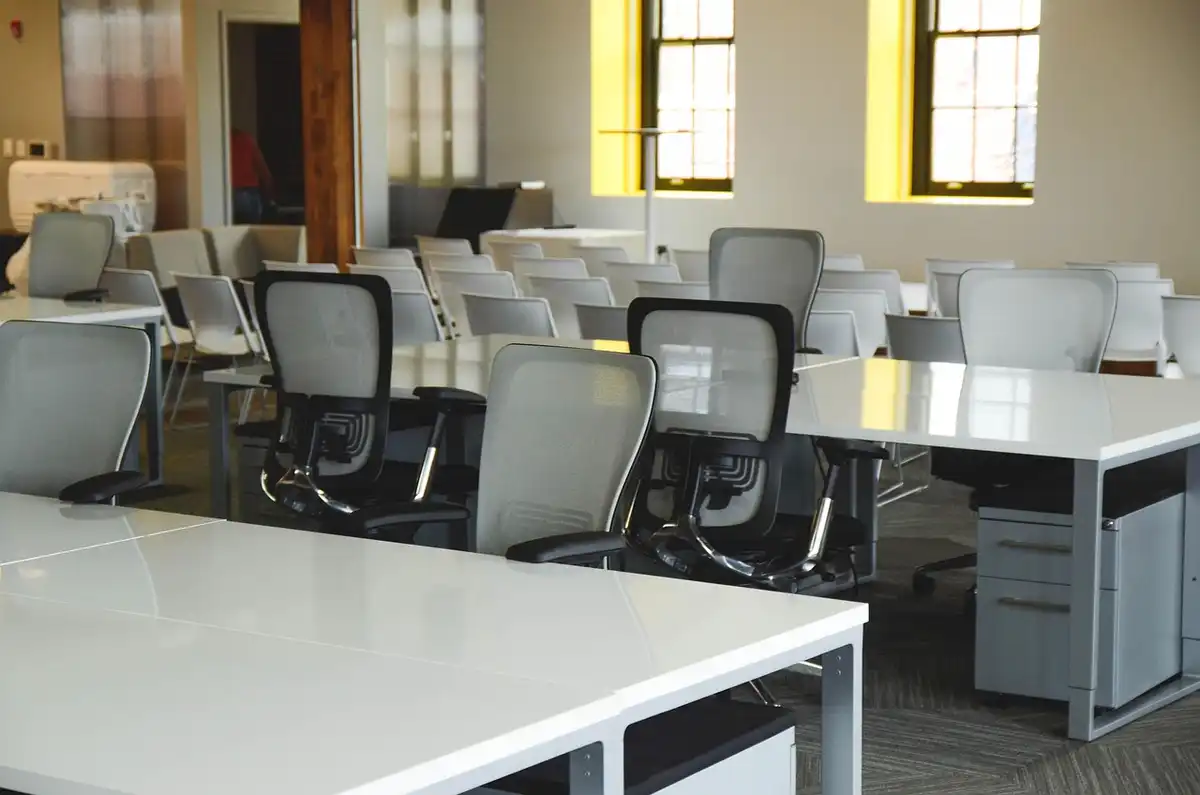
The Impact on the Student
Because of this change in architecture, students are now more creative, flexible, and involved. They learn that they shouldn’t just take in information; they should also ask questions about their environment and work with others to learn new things. They don’t think of school as a place they have to go; they think of it as a fun place they want to be.
Kids World Fun is a great place to find stories and learning materials for kids that fit with the ideas behind these new types of schools. A great story can take a child to another world, and a great school can turn their everyday life into a place full of possibilities.
The school of the future is already being built. It has never been more fun, flexible, or bright. It is a place that is not meant to keep education in, but to let it out. This shows that building for play makes the world a better place for everyone.
Comments on this guide to Designing for Play: Architecture of Tomorrow’s Schools and Learning Spaces article are welcome.
Cranes
Cranes Posts
Guide to choosing the ideal truck-mounted crane
Builder’s guide to 7 types of construction cranes
+=
Buildings
Residential Architecture Articles
Comments / photos for the Modern schools and learning spaces, Education play architecture, Future educational buildings page welcome