
Minor Repairs Often Prevent Larger Home Issues Over Time
27 January 2026
Little problems rarely stay little. In a house, they tend to grow, strain other systems, and drain your budget. With a simple plan and a few quick fixes each season, you can stop many failures long before they start.
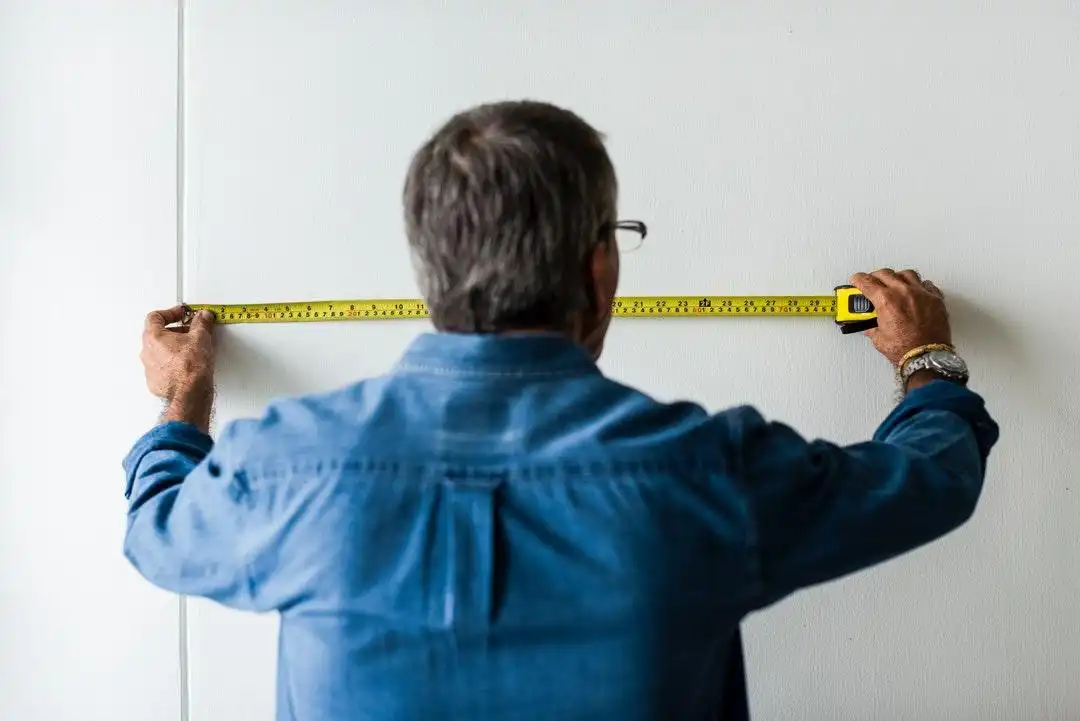
HVAC Tune-Ups Stop Quiet Energy Leaks
Air conditioners, heat pumps, and furnaces lose efficiency in small steps. A single loose wire or a dirty sensor can cause the system to cycle too frequently. That adds wear, raises bills, and shortens the unit’s life.
A short seasonal visit catches those little issues before they cost you. You can book a service with trained HVAC technicians who can spot failing capacitors, stressed blower belts, and airflow restrictions. You get steadier temperatures, fewer surprise breakdowns, and better indoor air.
Even newer systems benefit from routine care. Small calibration tweaks and simple cleanups help the equipment work as designed. The goal is a series of tiny, convenient corrections.
Filters and Airflow
One of the simplest habits is changing HVAC filters on schedule. A clogged filter chokes airflow and makes the blower work harder. Strain shows up later as noisy ducts, hot or cold spots, or a failed motor.
Most homes should swap filters about every 3 months, but homes with pets, allergies, or heavy use may need to change them more often. Staying ahead of dust and dander preserves efficiency and comfort over the long run. Pick a filter your system can handle and stick with a repeatable cadence.
Stand near supply vents when the system runs and feel for a steady flow. Compare rooms on different floors. If some vents feel weak, look for closed dampers, crushed flex duct, or furniture blocking return grilles. These small corrections can solve many uneven temperature complaints without touching the thermostat.
Catch Plumbing Leaks Before They Snowball
Small leaks do the most damage because they hide in walls, under sinks, and near appliances. Drips feed mold, rot cabinets, and stain ceilings. Over months, that slow trickle can inflate your water bill.
Water efficiency guidance points out that household leaks waste nearly 10,000 gallons each year on average, and a notable share of homes lose 90 gallons per day or more. That is the perfect example of a minor issue turning major. Replacing worn flappers, tightening supply lines, and swapping old washers are fast fixes that stop the waste and the risk.
Dry everything under the sink, then place a paper towel beneath each joint and trap. Check again in a day. Brown rings, or damp spots, show exactly where a tiny drip lives. Fix it with a snug wrench turn or a fresh gasket. If you see corrosion or green buildup, plan a full replacement of that short run of tubing.
Seasonal Checklists That Prevent Surprise Failures
A short checklist used at the start of each season pays off all year. Think of it as a tune for the house, not just the equipment. You are looking for anything loose, clogged, or overdue.
Pre-season checkups prevent future problems and keep systems running at peak performance. A simple routine of cleaning coils, confirming refrigerant lines are insulated, and inspecting electrical connections can stop the mid-season breakdown that forces a pricey emergency call. Fix the hairline crack in spring so it never becomes a split in July.
Walk the perimeter after heavy wind or rain. Clear debris from around the outdoor HVAC unit, look for gaps at hose bibs and cable penetrations, and check that downspouts empty far from the foundation. These steps take minutes and block water from finding the path of least resistance into your home.
Roof, Gutters, and Grading Deserve Quick Attention
Water is patient and looks for low spots and open seams. Clean gutters move water off the house and away from the foundation. When gutters clog, water spills over, soaks siding, and can sneak into fascia and soffits.
If the soil slopes toward the house, water pools against the foundation. A few wheelbarrows of soil can correct that slope. Trim branches that touch the roof, since rubbing can lift shingles and create small entry points for water. None of this is glamorous, but each small fix closes a door before water finds it.
Budgeting and Timing Minor Repairs
Home care is easier when you plan for it. Create a small monthly set-aside for fixes and replacements. That fund turns a surprise into a scheduled task, which usually costs less.
A smart tactic is to pair small tasks with existing calendar events. Change smoke alarm batteries at the time change, and test GFCIs on the first of each month. Keep a shared home log so everyone in the household can see what is due next.
- Build a 12-month checklist with 3 to 5 tasks per month
- Group errands by store aisle to save time on parts
- Track filter sizes, belt lengths, and bulb types in your phone
- Note install dates for appliances and major parts
- Record before-and-after photos of each fix
With a simple plan, the little jobs stay little.
When to DIY and When to Call a Pro
Plenty of minor fixes are safe and quick. Replacing faucet aerators, swapping P-trap gaskets, and adjusting door latches are all within reach for most homeowners. Know your limit before a small project becomes a big one.
Electrical issues, gas lines, and sealed refrigeration systems deserve expert hands. So do persistent leaks behind walls or recurring circuit breaker trips.
- DIY with confidence on low-voltage batteries, caulking, and basic plumbing seals
- Call for help on live electrical work, structural cracks, and refrigerant handling
- If a fix fails twice, step back and reassess before trying again
- Listen to noises and smells – burning or acrid odors are red flags
- Prioritize safety glasses, shutoffs, and ladder footing every time
Good judgment is the most valuable tool you own.
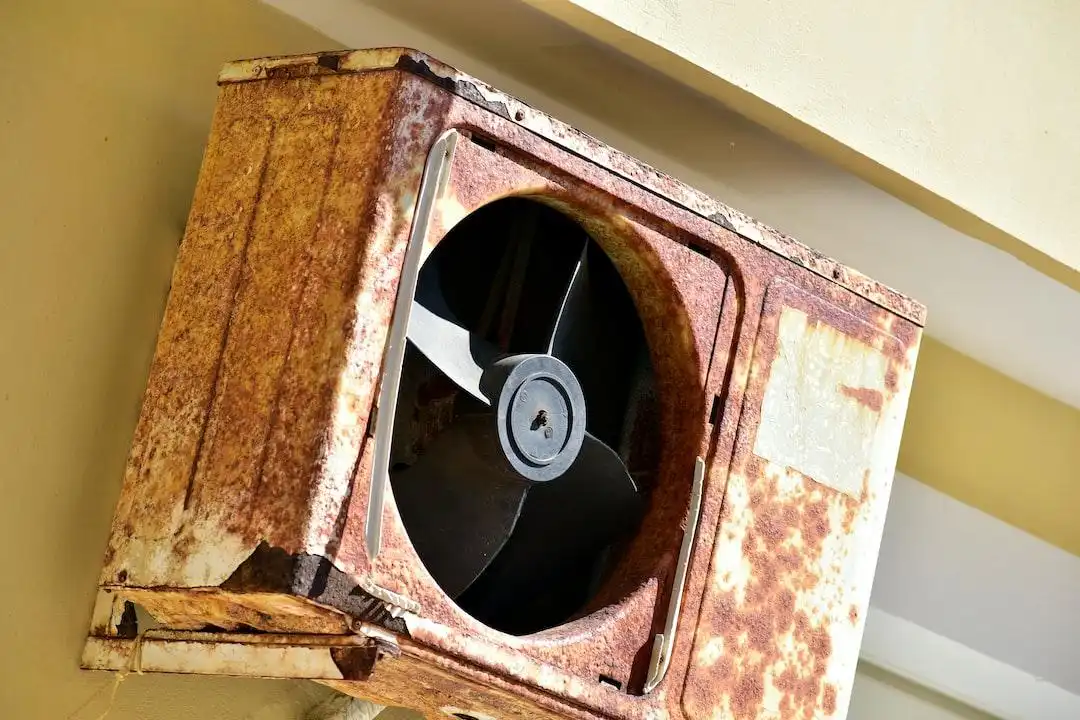
Minor repairs are not a weekend lost: they are a habit that takes minutes. Walk through your home with fresh eyes, fix the small stuff, and keep simple supplies on hand. These small acts protect comfort, safety, and the bigger investments you have made in your home.
Comments on this guide to How Minor Repairs Often Prevent Larger Home Issues Over Time article are welcome.
Roofing Articles
Roofing Posts
Flat roof repair

image source : pixabay.com
Insulation Options for Your Roof

image source : pexels.com
How to make your roofing company a success
Eco Architecture
Contemporary Green Architecture Design
Comments / photos for the How Minor Repairs Often Prevent Larger Home Issues Over Time page welcome


