Integrating Furniture into Office Fit-Outs – Floorplan to Finish
post updated 24 October 2026
24 October 2025
Planning an office fit-out is far more complex than simply choosing a paint colour and ordering desks. It’s a strategic process that transforms space into a functional, productive workplace. Yet one of the most common mistakes businesses make is treating furniture selection as an afterthought—something to sort out once the walls are up and the carpet’s down.
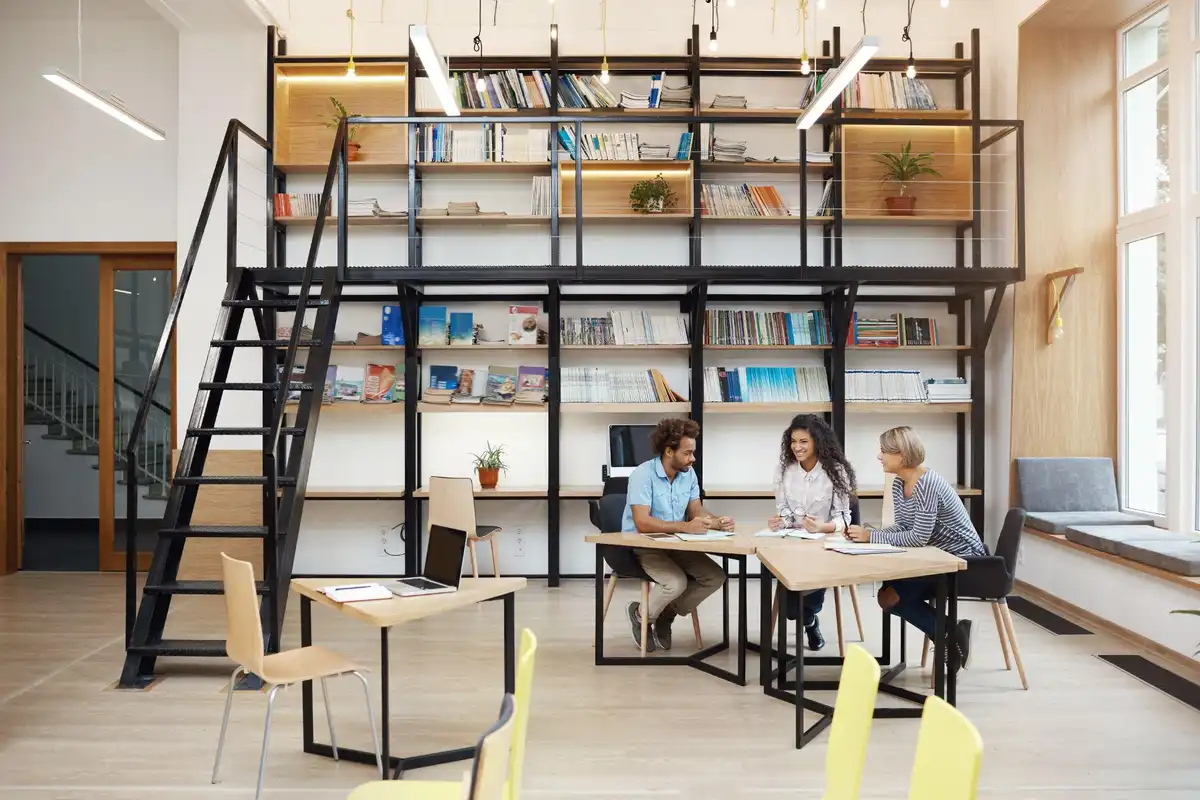
The reality? Furniture should be integrated into your planning from day one. When you understand how people will work in the space, you can design around their needs rather than forcing functionality into a predetermined layout. Let’s walk through the complete office fit-out journey and explore why furniture deserves a seat at the planning table from the very beginning.
The Office Fit-Out Journey: A Step-by-Step Overview
1. Initial Consultation and Needs Assessment
Every successful fit-out begins with understanding how your team actually works. This phase involves surveying employees, analysing workflow patterns, and identifying pain points in your current setup. Is your sales team constantly on calls? Does your design department need collaborative spaces? Will you be hosting clients regularly?
This isn’t just box-ticking—it’s the foundation that informs every subsequent decision: document headcount projections, departmental requirements, and any specific accessibility needs. The insights gathered here will directly influence furniture specifications later.
2. Spatial Planning and Floorplan Development
With requirements mapped out, architects and designers begin translating needs into spatial solutions. This is where furniture integration becomes critical. Rather than drawing generic rectangles labelled “workstation,” forward-thinking designers specify actual furniture dimensions, ergonomic clearances, and circulation paths.
Consider desk heights, chair dimensions, and movement zones around collaborative furniture. A meeting table that looks perfect on a floor plan might prove impractical if there’s insufficient space for chairs to pull out comfortably. Build furniture specifications into your CAD drawings—it’ll save considerable headaches during installation.
3. Services and Infrastructure Coordination
Before a single piece of furniture arrives, your space needs the right infrastructure. Power outlets, data points, and lighting must align with where people will actually sit. This coordination between electrical contractors and furniture layouts is essential.
Hot-desking environments require accessible power and data at multiple points. Height-adjustable desks need nearby power sources. Collaborative zones benefit from overhead power drops. Map your furniture layout early so electricians can install services in optimal locations rather than wherever it’s convenient for them.
4. Construction and Base Building Works
Whilst walls are being built and flooring installed, furniture procurement should be well underway. Commercial-grade furniture often has lead times of several weeks, particularly for large orders or customised specifications. Place furniture orders during the construction phase, not after practical completion.
This parallel processing ensures furniture arrives precisely when needed—not weeks after your team should have moved in. It also allows for any customisation or modifications without delaying your overall project timeline.
5. Furniture Selection and Procurement
Here’s where many fit-outs succeed or stumble. Selecting appropriate furniture requires balancing aesthetics, functionality, durability, and budget. For Australian businesses, partnering with local suppliers who understand commercial requirements makes this process considerably smoother.
Area Office offers commercial-grade furniture designed specifically for Australian workplaces. Their extensive range caters to diverse office environments, from traditional layouts to contemporary agile workspaces. When specifying furniture, consider:
- Durability standards: Commercial-grade furniture withstands heavier use than residential pieces
- Warranty coverage: Comprehensive warranties protect your investment
- Australian standards compliance: Ensure furniture meets local safety and ergonomic requirements
- Scalability: Select ranges that allow for future expansion with matching pieces
6. The Critical Role of Office Seating
If there’s one furniture decision that demands extra attention, it’s seating. Your team spends roughly 80% of their working hours seated, making chair selection one of the most impactful decisions in any fit-out.
Poor seating leads to discomfort, reduced productivity, and potential workplace injury claims. Conversely, ergonomic seating improves focus, reduces fatigue, and demonstrates genuine investment in employee wellbeing.
Area Office’s office chairs collection provides an excellent reference point when specifying seating for modern office interiors. Their range includes ergonomic task chairs, executive seating, and collaborative options—all designed to Australian Workplace Health and Safety standards.
When evaluating office chairs, prioritise these features:
- Adjustable lumbar support: Essential for preventing lower back strain
- Seat height and depth adjustment: Accommodates different body types
- Armrest adjustability: Reduces shoulder and neck tension
- Breathable materials: Improves comfort during extended use
- Five-star base with castors: Ensures stability and mobility
- AFRDI certification: Confirms compliance with Australian furniture standards
7. Installation and Space Activation
With construction complete, furniture installation transforms architectural vision into a functional reality. Professional installation ensures correct assembly, optimal placement, and immediate identification of any issues.
Schedule installation systematically—start with anchor pieces like workstations, then add ancillary furniture. Allow time for adjustments; what looked perfect on paper might need tweaking in reality. Test adjustable elements, check cable management, and ensure adequate circulation space.
8. Post-Occupancy Evaluation
The fit-out isn’t finished when employees move in—it’s just entering a new phase. Conduct post-occupancy evaluations after 30, 60, and 90 days. Gather feedback about furniture functionality, comfort, and any unforeseen issues.
Perhaps certain collaborative areas aren’t being used as intended. Maybe desk configurations need adjustment. This feedback loop allows you to refine the space and demonstrates responsiveness to employee needs.
Why Early Furniture Integration Matters
Treating furniture as a late-stage consideration creates numerous problems. Dimensions might not suit the space. Services end up in inconvenient locations. Lead times delay occupancy. Budget overruns occur when you’re forced to accept whatever’s available immediately.
Early integration allows you to design the space around how people will actually use it. You can specify appropriate products, secure better pricing through planned procurement, and ensure everything arrives when needed.
Creating Workplaces That Work
An office fit-out represents a significant investment in capital, time, and organisational disruption. Getting it right requires treating furniture not as decoration, but as functional infrastructure that enables productivity.
By integrating furniture considerations from initial planning through to post-occupancy review, you create workplaces that genuinely support how Australians work today. Partner with experienced suppliers like Area Office who understand commercial requirements, and prioritise elements like ergonomic seating that directly impact employee wellbeing.
Your office fit-out is more than a construction project—it’s the physical foundation of your workplace culture. Plan it thoughtfully, execute it systematically, and your team will reap the benefits for years to come.
Comments on this guide to From Floorplan to Finish: Integrating Furniture into Office Fit-Outs article are welcome.
Furniture
Furniture Posts
Choosing the Ideal Upholstery for your Furniture
From ordinary to extraordinary: custom furniture
++
Property
Architecture
Comments / photos for the From Floorplan to Finish: Integrating Furniture into Office Fit-Outs page welcome.